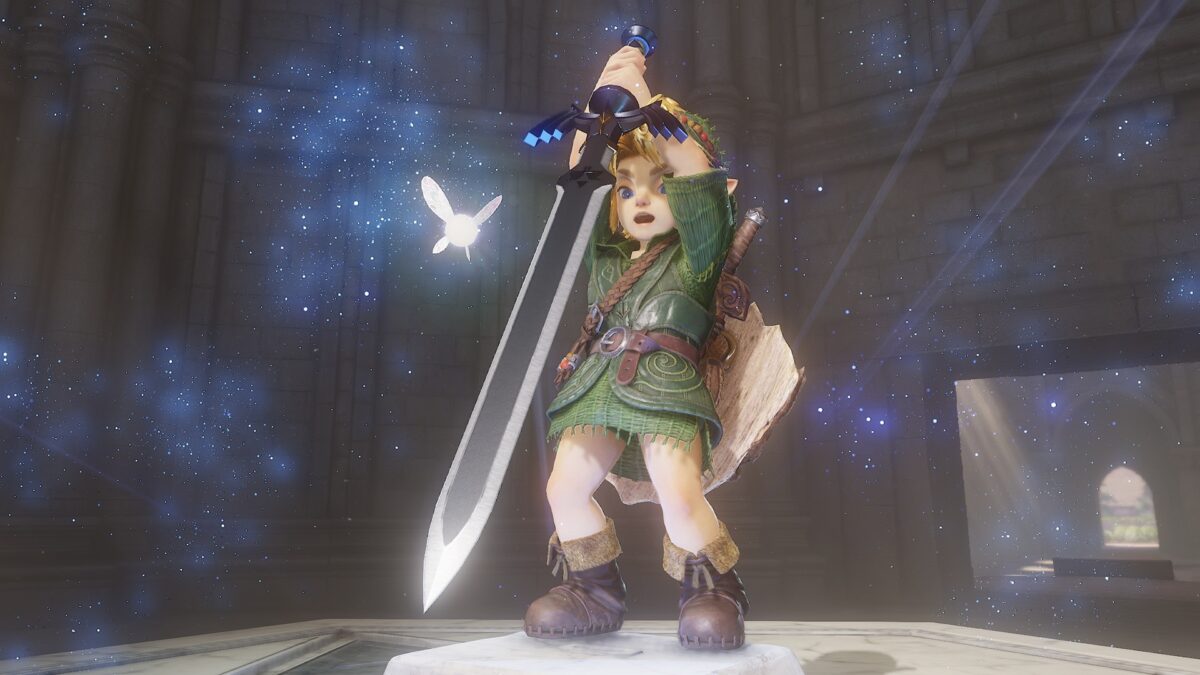
The Legend of Zelda: Ocarina of Time on Switch 2 appears to use AMD’s FSR 1.0 for upscaling and SMAA for anti-aliasing, not Nvidia’s DLSS. The evidence is in the game itself: a clip posted by SuperMetalDave64 on X scrolls through the Intellectual Property Notices for Ver. 1.0.0 on a Switch 2 console, four days before the November 5 launch. FSR 1.0 and SMAA are both listed, and DLSS does not appear in any of the notices shown.
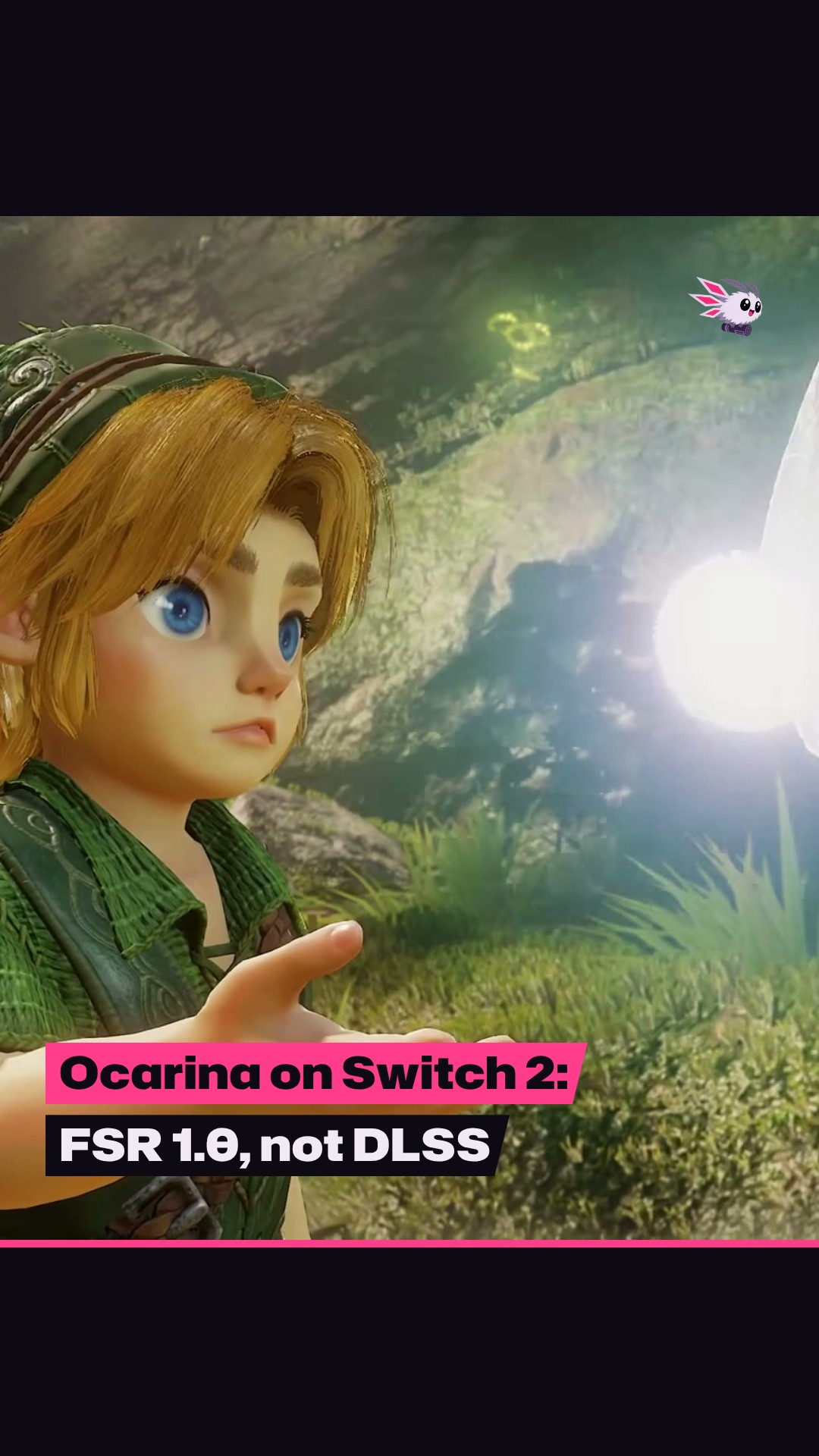 Watch the short YouTube
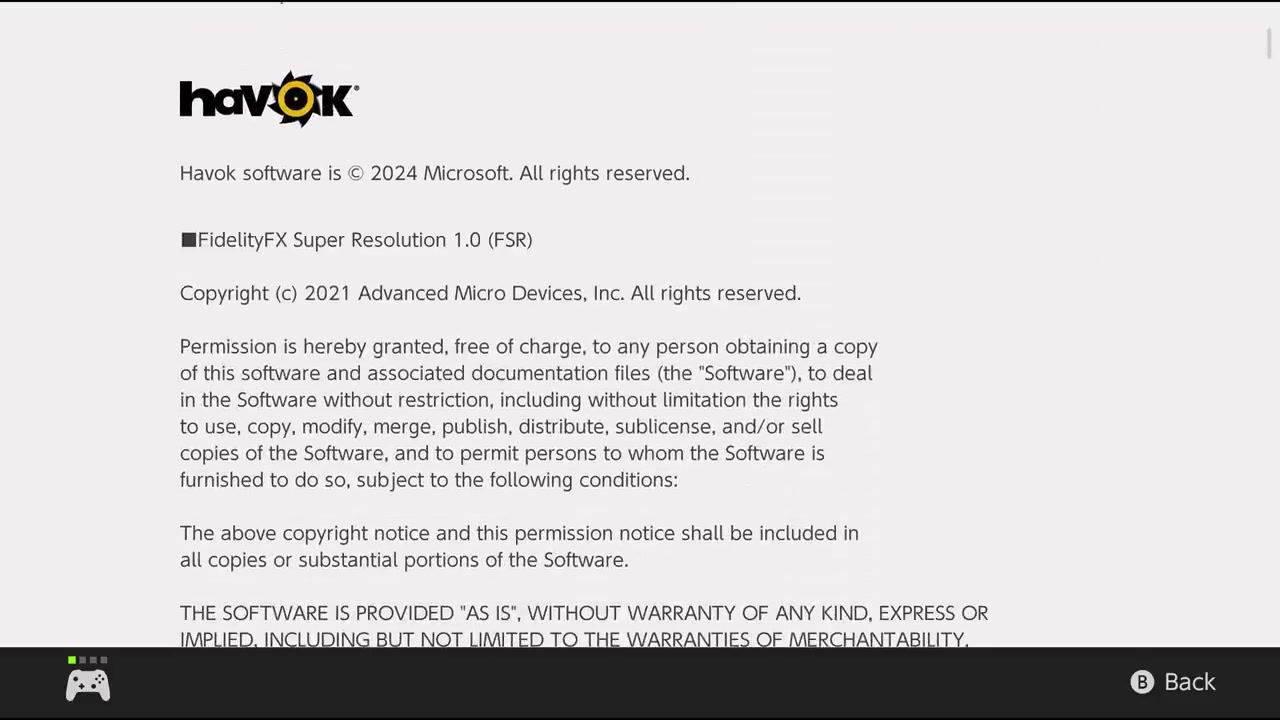
The notices list FidelityFX Super Resolution 1.0, copyright 2021 AMD
The clip opens the game’s software menu and scrolls the third-party licenses, which publishers have to include with their software. Under Havok comes “FidelityFX Super Resolution 1.0 (FSR)”, copyright 2021 Advanced Micro Devices. Further down are a separate entry for “An optimized AMD FSR’s EASU implementation for Mobiles” (EASU is the upscaling step of FSR 1.0) and an SMAA entry at the end of the section shown.
The Legend of Zelda: Ocarina of Time Switch 2 is confirmed to use AMD FSR 1.0 and SMAA for it’s upscaling and Anti-Aliasing.
byu/Psychological-Bet-80 inNintendoSwitch2
FSR 1.0 upscales one frame at a time, while DLSS uses AI and motion data
FSR 1.0 is a spatial upscaler. It enlarges each frame on its own, which makes it cheap to run but limits how much detail it can recover, and thin detail like foliage is where that tends to show. DLSS is Nvidia’s machine learning upscaler, which draws on data from previous frames, and the Switch 2’s Nvidia chip supports it. That is why this list has drawn attention: the console has the newer tool available, and these notices point to the 2021 one.
Donkey Kong Bananza uses the same FSR 1.0 and SMAA pairing
This would not be new for Nintendo. Donkey Kong Bananza also pairs FSR 1.0 with SMAA on Switch 2, so Ocarina of Time looks like it follows the same path as another big first-party release. Players in the Switch 2 subreddit are already debating it, some pointing to foliage shimmer in the trailers and others asking why Nintendo keeps skipping DLSS.
A license notice shows what ships in the game, not how it is used
This is strong evidence, but it is not a full technical breakdown. A license entry shows the code ships with the game, not when it runs or at what resolution, and proprietary tools do not always need the same kind of notice. We have not seen a statement from Nintendo on the game’s upscaling. Image quality on real hardware is the test that counts, and that gets answered when Ocarina of Time launches on Switch 2 on November 5.