30-Second Quick-Start (TL;DR)#
- Dodge rolls in Forsaken Realms: Vahrin’s Call are slow and cover awkward distance—heavy gear users should equip quick evasion instead of full rolls for reliable avoidance.
- Pure melee combat is basic and weak; overlay spells, techniques, and traps to create interesting builds that actually challenge you.
- Boss fights are build tests, not endurance tests—most bosses on Suicidal difficulty are easy, so experiment with spell combos and ranged options.
- Dodge timing matters less than build composition; frost weapon to slow enemies, fireball for rushers, floating rocks for protection, and traps all multiply your survivability.
- Explore every area fully for skill books (your only source of new techniques) and chests (your only source of new equipment outside boss drops).
- Melee hit feedback is weak, so don’t expect visceral impact—lean into the spell and technique system instead.
- Enemy AI is weak, so positioning and spell application matter more than frame-perfect dodges.
- Quickbar management on gamepad is clunky; use heavy gear’s quick evasion to reduce animation bloat and free up mental space for ability selection.
What This Guide Helps You Do#
This guide teaches you how to build effective combat loadouts in Forsaken Realms: Vahrin’s Call and understand the dodge and evasion mechanics that underpin the Soulslite system. You’ll learn why pure melee fails, how to layer spells and techniques for survivability, and how to time your dodges (or quick evasion) to punish weak enemy AI. It’s best for players who feel frustrated by basic melee combat, struggle with dodge roll animation, or want to create hybrid builds that actually feel rewarding.
Requirements & Prep#
You should have access to at least one spell (fireball is mentioned as effective for closing rushers) and at least one technique or trap from your skill books. Heavy gear is optional but highly recommended if you find dodge rolls clunky—equipping heavy armor unlocks quick evasion, a faster dodge variant that removes the full roll animation. No specific NPC unlock or quest flag is required to test these mechanics; you can experiment from the start of the game.
Optional but Helpful: Before committing to a build, collect skill books from at least two areas. Skill books are your only reliable source of new techniques and spells, so gathering them early unlocks more playstyle options than you’d have with starter equipment alone.
Route Overview#
Forsaken Realms: Vahrin’s Call’s combat system isn’t about mastering one dodge timing—it’s about layering tools. The game’s design actively discourages pure melee by making basic sword swings weak and dodge rolls feel unresponsive. Instead, the developers reward you for mixing playstyles: apply frost weapon to slow an enemy’s attack speed, cast fireball to punish a rusher, lay traps in advance, summon floating rocks for protection, and use your bow for safe ranged damage. Each boss and encounter becomes a build test where you’re asking yourself “how fast and in what way can I get through this enemy?” rather than “can I dodge this attack pattern?” The flow is exploration → skill books → build experimentation → encounter adaptation. Because enemy AI is weak, your build composition matters far more than your ability to land frame-perfect dodges.
Step-by-Step Walkthrough#
Understand Why Pure Melee Fails#
Melee combat in Forsaken Realms: Vahrin’s Call is intentionally basic. The hit feedback is weak, meaning you won’t feel the impact of your sword strikes the way you would in Dark Souls or Elden Ring. Dodge rolls have nonsensical animation speed and distance—sometimes you roll too far, sometimes not far enough, and the animation itself feels sluggish. This isn’t a bug; it’s a design choice that pushes you toward hybrid builds. If you try to play this game like a pure melee Soulslite, you’ll find encounters underwhelming and frustrating. Accept this early and move on to the next step.
Switch to Heavy Gear and Quick Evasion#
If dodge rolls feel bad to you (and they should—the animation is objectively poor), equip heavy gear immediately. Heavy armor grants access to quick evasion, a faster dodge variant that removes the full roll animation entirely. This gives you a snappier, more responsive way to avoid damage without the awkward roll distance. The trade-off is reduced armor value, but because enemy AI is weak, the speed and reliability of quick evasion outweighs the defense loss. You’ll spend less time stuck in animation and more time acting, which frees up mental bandwidth for ability selection and spell casting.
Gather Skill Books from Every Area#
Skill books are the only reliable way to learn new spells, techniques, and abilities in Forsaken Realms: Vahrin’s Call. Bosses and quest rewards grant equipment, but skill books are your exclusive source of combat options. Every area has a counter showing how many chests, skill books, and garden gnomes are hidden there. Prioritize finding skill books—some are difficult to spot, so pay attention to alcoves, high ledges, and dead-end paths. Once you’ve collected 3–5 skill books from different areas, you’ll have enough variety to start experimenting with hybrid builds.
Build Your First Hybrid Loadout#
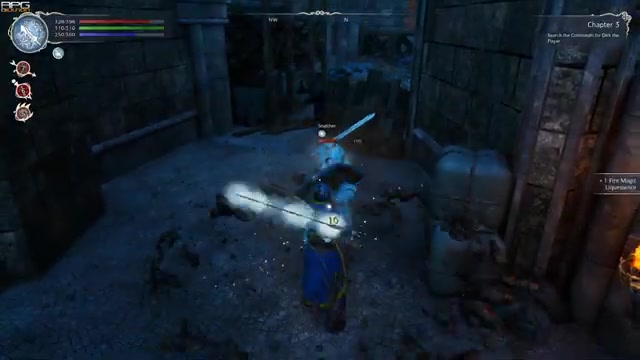
Start simple: one spell, one technique, and one weapon. For example, equip a sword, fireball, and a frost weapon technique. The frost weapon applies a slow debuff to enemies, significantly reducing their attack speed and movement. Fireball is your panic button for enemies who rush you down. When you encounter an enemy, apply frost weapon first (this is free damage and a defensive buff), then use melee to punish while the slow is active. If an enemy closes distance too fast, cast fireball and reset. This three-tool approach is already far more interesting than pure melee and will carry you through most encounters.
Layer Traps and Floating Rocks for Protection#
Once you’ve unlocked traps and the floating rocks ability (both mentioned as available options), add them to your loadout. Lay traps in advance of encounters—place them near doorways or chokepoints where enemies are likely to step. Floating rocks create a protective barrier around you, absorbing hits and buying time. These aren’t flashy abilities, but they multiply your survivability by orders of magnitude. A single trap can trivialize an entire encounter if placed correctly. Floating rocks turn you from a fragile melee fighter into someone who can tank a hit or two while your spells recharge.
Experiment with Bow for Safe Ranged Damage#
The bow is quite satisfying to use and offers a way to deal damage from range without committing to melee. If you’re struggling with an encounter, swap your second weapon to a bow and kite the enemy. This won’t work forever—you’ll eventually need to close distance—but it gives you a safety valve when your spell cooldowns are up or you’re low on health. The bow has good feel compared to melee, so using it doesn’t feel like a punishment.
Test Your Build Against Easy Enemies First#
Before facing a boss, test your new build against regular enemies in the area. Use your frost weapon, cast your spells, lay traps, and see how the tools interact. You’ll quickly learn which abilities are worth casting in which situations and which ones feel clunky on your gamepad. Adjust your loadout based on this feedback. Remove abilities that feel awkward and add ones that click. This experimentation phase is where you discover your playstyle.
Approach Boss Fights as Build Tests#
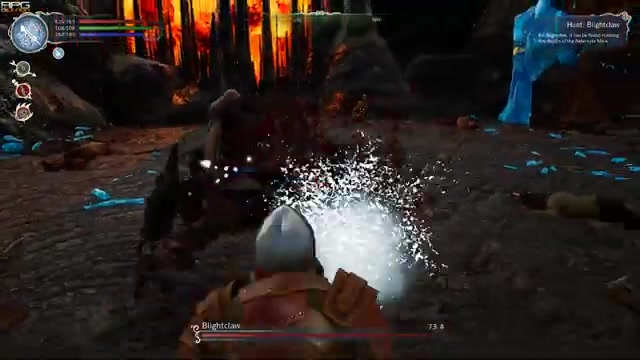
Boss fights in Forsaken Realms: Vahrin’s Call aren’t about learning a complex attack pattern—they’re tests of your build’s effectiveness. Most bosses on Suicidal difficulty are easy, with only a handful providing real challenge. This is by design. The game rewards you for building intelligently. If you’re struggling with a boss, don’t blame your dodge timing; blame your build. Swap out an ability, add a spell that counters the boss’s behavior, or change your weapon. The boss is a static problem; your build is the variable you control.
Boss and Set-Piece Strategy#
The transcript doesn’t detail specific boss patterns or phases, so strategy here is generalized to the system as described. However, the overarching approach is consistent: every boss encounter is a build puzzle, not a dodge-timing puzzle.
Phase 1: Identify the Boss’s Threat Profile#
When you first enter a boss arena, observe what the boss does. Does it rush you? Use ranged attacks? Summon minions? Buff itself? Once you’ve identified the threat, select the spell or technique that counters it. If it rushes, ready fireball. If it’s tanky, apply frost weapon to slow its actions. If it summons, lay traps near spawn points. Your first phase is always reconnaissance and adaptation, not damage.
Safe Punish Windows: After Spell Casts and Attack Chains#
Most bosses in Forsaken Realms: Vahrin’s Call telegraph their actions clearly due to weak AI. After a boss casts a spell or completes an attack chain, it’ll pause briefly. This is your punish window. Close distance with your melee weapon, land 1–2 hits, then back away. Don’t get greedy. One or two hits per window is enough; you’re not trying to out-DPS the boss, you’re managing the encounter safely.
Bait and Reset#
If a boss is in a pattern you don’t like, bait it into a different action. Move toward it to trigger a rush attack, then dodge back and cast a spell. Move away to bait a ranged attack, then close in during recovery. Because enemy AI is weak, bosses are predictable and easy to manipulate. Use this to your advantage.
Phase Transition Cues#
The transcript doesn’t specify phase transitions for any particular boss, so watch for health thresholds (usually 50% and 25%) or visual changes (new arena effects, new attack types, buff auras). When a phase transition occurs, re-assess your build. If your current spell isn’t working, swap it. If your damage is too low, add a damage-focused ability. The boss doesn’t punish you for swapping loadouts mid-fight, so treat transitions as opportunities to adapt.
Builds and Loadouts#
The Hybrid Starter Build (Recommended)#
Weapon: Any melee weapon (sword, axe, or spear).
Secondary Weapon: Bow (for safe ranged damage).
Spell 1: Fireball (panic button for rushers).
Technique 1: Frost Weapon (applies slow debuff, reduces enemy attack speed).
Ability 2: Floating Rocks (protective barrier).
Ability 3: Traps (place in advance, trivialize chokepoints).
This loadout covers offense (melee + bow), control (frost slow), defense (floating rocks), and prevention (traps). It’s flexible enough to handle most encounters and teaches you how each tool works.
The Heavy Gear Quick Evasion Variant#
Armor: Heavy gear (enables quick evasion).
Rest of Loadout: Same as above.
If dodge rolls feel unresponsive, switch to heavy gear and use quick evasion instead. You’ll lose some armor defense, but the faster dodge animation and reduced mental load (you’re not managing a slow roll) outweighs the trade-off against weak enemy AI.
If You’re Under-Geared#
Early in the game, you may not have access to all the spells and techniques listed above. Start with whatever you’ve got: one melee weapon, one spell (even if it’s weak), and one technique. Add a second spell or technique as soon as you find skill books. The principle remains the same—layer tools, don’t rely on pure melee. Even a weak fireball and a weak frost weapon are better than sword swings alone.
Exploration and Loot Loop#
Why Exploration Matters for Combat#
Exploration in Forsaken Realms: Vahrin’s Call is directly tied to combat effectiveness. Skill books are the only way to unlock new spells and techniques—you can’t buy them or earn them from regular enemies. Chests are the only reliable source of new equipment outside of boss drops and quest rewards. If you skip exploration, you’ll be stuck with your starter equipment and skills, which will make combat feel weak and repetitive. Exploration isn’t optional; it’s mandatory for build diversity.
Loot Counter and Collectible Locations#
Each area displays a counter showing how many chests, skill books, and garden gnomes are hidden there. Use this counter to track your progress. Some collectibles are difficult to find—they’re tucked in alcoves, on high ledges, or behind illusory walls. Pay attention to environmental details. If you see a narrow gap or a suspiciously empty room, investigate. Skill books are always worth the effort; chests often grant useful equipment upgrades.
The Garden Gnome Side Quest#
Garden gnomes are scattered throughout every area and are difficult to spot. Killing them is connected to a side quest, which presumably grants a reward worth the effort (the transcript suggests it’s a significant reward, given the gnomes’ abundance and difficulty to locate). If you enjoy completionism, hunt gnomes as you explore. If you’re focused on combat, you can skip them without missing essential upgrades.
Loot Respawn and Tedium Warning#
Loot objects respawn frequently, which means looting can become tedious. The transcript notes that fewer objects with more loot per object would improve pacing. Don’t feel obligated to loot every object every time you pass through an area. Prioritize skill books and chests on your first pass, then ignore respawned loot unless you’re farming for a specific item.
Troubleshooting and Common Mistakes#
- Mistake: Relying purely on melee combat. Fix: Add at least one spell (fireball) and one technique (frost weapon) to your loadout immediately. Melee alone is weak and won’t create interesting encounters.
- Mistake: Using dodge rolls when quick evasion is available. Fix: Equip heavy gear to unlock quick evasion, then use it instead of full rolls. Quick evasion is faster and more responsive.
- Mistake: Ignoring skill books during exploration. Fix: Prioritize skill books above all other collectibles. They’re your only source of new combat options and are essential for build diversity.
- Mistake: Swapping weapons or spells mid-boss fight. Fix: The game allows loadout swaps without punishment. If your current build isn’t working, swap immediately. Don’t suffer through a bad matchup.
- Mistake: Trying to tank hits with light armor. Fix: Use heavy gear for quick evasion and better defense. You’re not skilled enough at dodging to justify light armor (the dodge animation is poor), and heavy gear gives you better tools.
- Mistake: Not using traps and floating rocks. Fix: These abilities trivialize encounters when used correctly. Lay traps in advance and maintain floating rocks for protection. They’re not optional—they’re core to your survival.
- Mistake: Panicking when a boss transitions to a new phase. Fix: Phase transitions are opportunities to adapt your build, not moments to panic. Swap spells, change your strategy, and re-engage. The boss is static; you control the variables.
- Mistake: Chasing damage over survivability. Fix: In Forsaken Realms: Vahrin’s Call, a slow enemy you can safely hit is better than a dead enemy you rushed to kill. Frost weapon and floating rocks keep you alive longer than raw DPS ever will.
Advanced Tips and Time Saves#
Quickbar Management on Gamepad#
The transcript notes that constantly opening a quickbar to select abilities feels gimmicky on gamepad and that some shortcut buttons are missing. Until the developers add dedicated ability buttons, minimize the number of spells and techniques in your active loadout. Three to four active abilities is the sweet spot—enough variety to handle most situations, but not so many that you’re constantly pausing to select. This speeds up your ability to react in combat.
Frost Weapon as Defensive Buff, Not Damage#
Frost weapon slows enemy actions significantly. This is primarily a defensive tool—apply it early in an encounter, not as a finisher. A slowed enemy is a safe enemy. Once frost weapon is active, you can land your melee hits without fear of being punished. Don’t wait until you’re low on health to apply it; apply it at the start of every encounter.
Fireball for Closing Distance#
Fireball is mentioned as a way to damage enemies rushing you down. Use it as a gap closer and a panic button. If an enemy is closing distance faster than you can kite, cast fireball to stun or damage them, buying time to reset. Don’t use fireball as your primary damage tool; use it as a defensive interrupt.
Bow Kiting for Low-Health Resets#
If you’re low on health and out of spell cooldowns, switch to your bow and kite the enemy from range. This buys time for your cooldowns to reset and for you to regain composure. It’s not a permanent solution, but it’s a powerful reset button in a pinch.
FAQ#
Why does my dodge roll feel so bad in Forsaken Realms: Vahrin’s Call?#
Dodge rolls in Forsaken Realms: Vahrin’s Call have nonsensical animation speed and distance—they’re intentionally poor to discourage pure melee builds and push you toward hybrid playstyles. This isn’t a bug; it’s a design choice. Switch to heavy gear and use quick evasion instead, which removes the full roll animation and feels more responsive.
Can I play Forsaken Realms: Vahrin’s Call with pure melee?#
Technically yes, but it’s not recommended. Melee combat is intentionally basic and weak, and hit feedback is poor. The game is designed to reward spell and technique mixing. If you insist on pure melee, you’ll find encounters underwhelming and boss fights boring. Overlay at least one spell and one technique to make combat interesting.
Where do I get new spells and techniques in Forsaken Realms: Vahrin’s Call?#
Skill books are your only reliable source of new spells and techniques. They’re hidden throughout every area and are tracked by a counter in each zone. Exploration is mandatory to unlock combat options. Boss drops and quest rewards grant equipment, not abilities, so don’t expect to find new spells from defeating enemies.
What’s the best build for Forsaken Realms: Vahrin’s Call?#
There’s no single best build because the game rewards adaptation. The best build for you is the one that counters your current obstacle. If you’re struggling with a boss, swap your spells and techniques to match its threat profile. The game doesn’t punish build swapping, so treat each encounter as a puzzle and adjust accordingly.
Are boss fights in Forsaken Realms: Vahrin’s Call hard?#
Most bosses on Suicidal difficulty are easy, with only a handful providing real challenge. Boss fights are build tests, not endurance tests. If you’re struggling, the problem is your build, not your skill. Swap spells, add protection abilities, and re-engage. The boss is static; your build is the variable you control.
Should I use heavy gear or light armor in Forsaken Realms: Vahrin’s Call?#
Heavy gear is recommended because it unlocks quick evasion, a faster dodge variant that removes the awkward full roll animation. The dodge roll is poor, so you want to avoid using it. Heavy gear’s quick evasion is more responsive and reliable, and the armor defense outweighs the speed loss against weak enemy AI.
Checklist#
- Accept that pure melee is weak and intentionally basic—hybrid builds are mandatory for engaging combat.
- Equip heavy gear and switch to quick evasion to avoid the poor dodge roll animation.
- Explore the first area fully and collect all skill books to unlock spell and technique options.
- Build your first hybrid loadout: one melee weapon, one spell (fireball), one technique (frost weapon), and one protective ability (floating rocks or traps).
- Test your build against regular enemies before facing bosses to understand how each tool works.
- Approach boss fights as build puzzles, not dodge-timing challenges—swap spells and techniques mid-fight if your current setup isn’t working.
- Prioritize frost weapon application at the start of every encounter to slow enemies and create safe punish windows.
- Use fireball as a panic button for rushers and a gap closer, not as primary damage.
- Layer traps in advance of encounters and maintain floating rocks for passive protection.
- Continue exploring new areas and collecting skill books to expand your build options.
- Don’t feel obligated to loot every respawned object—focus on skill books and chests only.
- Minimize your active ability count to 3–4 spells and techniques to reduce gamepad quickbar management friction.
Source & credit#
This guide draws on the excellent video walkthrough by RPG Division — watch it for the full visual run-through, and give the creator your view:
https://www.youtube.com/watch?v=C1dP-mLemz0Following Forsaken Realms: Vahrin’s Call? Get an email when we publish a new guide — or update one after a patch.