30-Second Quick-Start (TL;DR)#
- Pure melee combat in Forsaken Realms: Vahrin’s Call is basic and underwhelming; add spells (fireball, frost weapon) and techniques to unlock engaging encounters.
- Explore every area fully—chests and skill books are your only reliable sources of new equipment and techniques outside boss drops and quest rewards.
- Heavy gear reduces your dodge roll animation, letting you evade faster without the full roll recovery penalty.
- Boss fights are build tests, not endurance challenges; most bosses on Suicidal difficulty are manageable if you layer abilities (traps, floating rock shields, ranged damage).
- Avoid pure melee builds unless you enjoy basic, repetitive combat; hybrid playstyles reward experimentation and make the game significantly more fun.
- Stealth is largely useless; invest time in spell combinations and weapon variety instead.
- Gamepad players: expect frequent quickbar menu popups to cast abilities; M&K will feel smoother for ability management.
- Don’t skip side quests with investigative puzzles—they contain the game’s best writing and world-building.
What This Guide Helps You Do#
This guide teaches you how to build effective hybrid combat playstyles in Forsaken Realms: Vahrin’s Call, understand the strengths and limitations of pure melee versus spellcasting, and defeat bosses by layering abilities and equipment strategically. You’ll learn where to find skill books and equipment, how to structure a loadout that works, and why the game’s combat framework rewards mixing playstyles over specialization. This is best for players who’ve started the game and feel melee combat is shallow, or who want to understand why hybrid builds are the intended approach to challenging encounters.

Requirements & Prep#
You need to be past the opening area with access to at least one skill book and basic equipment. The game doesn’t require specific consumables or unlocks before engaging with hybrid builds—you can start mixing spells and melee immediately. However, you should’ve explored your current area enough to collect at least one or two skill books so you’ve spell options available.
Gamepad: You’ll experience frequent menu navigation to access the quickbar and select spells during combat. Keyboard and mouse users will have a smoother ability-casting experience, though the transcript doesn’t specify exact keybinds. If you’re on gamepad, expect to pause or slow your rhythm when casting abilities; this is a known friction point the developers may address in updates.
Optional but Helpful: Before tackling any boss, spend 15 minutes exploring the surrounding areas for additional skill books and equipment chests. You’ll likely find at least one new spell or weapon that changes how you approach the fight.
Route Overview#
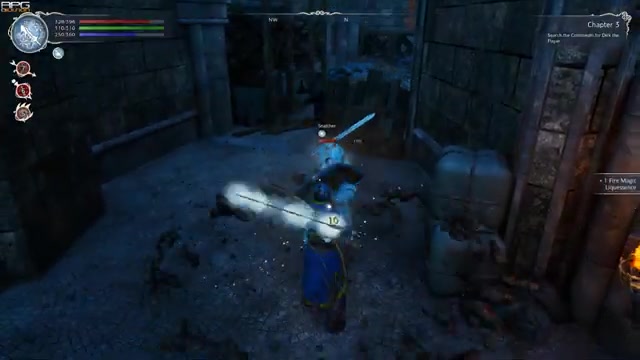
Forsaken Realms: Vahrin’s Call’s combat progression follows a simple arc: you begin with basic melee attacks, discover skill books scattered throughout connected areas, and unlock spells and techniques that transform combat from repetitive swinging into layered ability management. The game world connects through open fields, narrow dungeons, and urban layouts—each area is packed with collectibles (chests, skill books, garden gnomes) that directly feed your character power. You move through the city outskirts into Vahrin itself, fighting the Snatcher faction, and encounter bosses that serve as build tests: they’re not designed to punish you harshly, but rather to showcase whether your current ability mix can handle sustained pressure.
The core loop is straightforward: explore an area, loot chests and skill books, learn new spells or upgrade equipment, experiment with ability combinations against regular enemies, then face the area boss with your refined loadout. Unlike traditional soulslikes, Forsaken Realms doesn’t demand mastery of a single weapon or playstyle; instead, it actively rewards you for mixing approaches.
Step-by-Step Walkthrough#
Understanding Why Pure Melee Fails in Forsaken Realms: Vahrin’s Call#
If you’ve been playing with only melee attacks, you’ve likely noticed encounters feel flat and repetitive. This isn’t a skill gap—it’s a design reality. The melee combat framework in Forsaken Realms: Vahrin’s Call is intentionally basic: hit feedback is weak, dodge roll animations are slow and cover awkward distances, and enemy AI doesn’t create complex patterns that reward timing or spacing mastery. A pure melee player on Suicidal difficulty will find most encounters underwhelming because the system simply doesn’t have the depth to generate meaningful challenge through sword swings alone.
The developer knew this limitation and designed the game to reward mixing instead. This is why chests and skill books are mandatory progression tools—they’re not optional power boosts, they’re the game’s way of forcing you to adopt hybrid playstyles.
Locating and Prioritizing Skill Books#
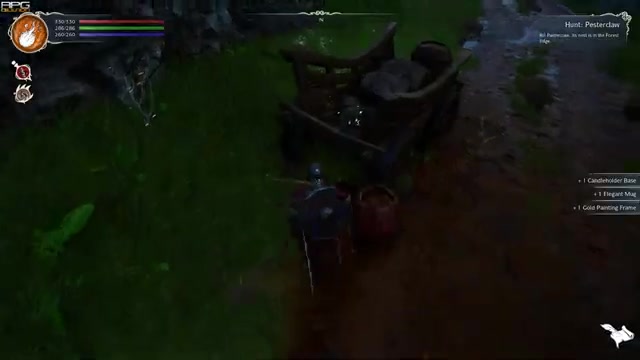
Skill books are your only consistent way to learn new spells and techniques outside of boss drops and quest rewards. Each area displays a counter showing how many chests, skill books, and garden gnomes exist in that region. Skill books are always useful—you’ll never find a redundant one—so grab every one you encounter. Some are hidden in non-obvious locations, so pay attention to environmental clues: alcoves, behind destroyed walls, in towers or cellars, and at the end of puzzle sequences.
Prioritize skill books over generic loot. A new spell immediately changes how you approach combat; a random piece of equipment might be useful or might not. The game makes this clear through its reward structure: exploring is important, and without it your character won’t benefit from a variety of skills and equipment upgrades.
Building Your First Hybrid Loadout#
Once you’ve learned at least three skill books, you’ve got the foundation for a hybrid build. Start with your preferred melee weapon—likely the heaviest one you can equip—and add two spells that solve immediate problems. For example: if you’re getting rushed by multiple enemies, add fireball (area damage and crowd control) and frost weapon (slows enemy actions significantly, creating breathing room). If you’re facing ranged enemies, add a bow to match their range and a mobility spell to close gaps safely.
The key insight is that each spell solves a specific problem that pure melee can’t. Fireball handles groups. Frost weapon converts a dangerous enemy into a slow-moving target. Floating rocks provide a shield layer. Traps deal passive damage while you’re attacking. None of these are mandatory—the game doesn’t punish you for not using them—but they make encounters dramatically more interesting because they force you to manage multiple resources (melee stamina, spell cooldowns, trap placement) instead of just clicking attack repeatedly.
Optimizing Dodge and Movement with Heavy Gear#
The dodge roll animation in Forsaken Realms: Vahrin’s Call is problematic: it moves inconsistent distances and plays at odd speeds, making it unreliable for precise evasion. However, equipping heavy armor grants you a “quick evasion” variant that skips the full roll animation, letting you dodge faster without the recovery lag. This is a significant quality-of-life upgrade if you’re planning to use melee frequently.
Test your gear weight before a boss fight. Equip your heaviest armor pieces and practice dodging in an open area. If you see a fast dash instead of a full roll, you’ve hit the heavy gear threshold and will benefit from faster evasion. If you still see the full roll animation, you’re not heavy enough yet—add more armor pieces or find heavier alternatives in chests.
Gathering Equipment from Chests#
Chests are your primary source of new equipment; new gear drops only from bosses and quest rewards otherwise. This means exploration is mandatory if you want to progress your loadout. Every area is full of chests, and the game rewards thorough exploration with meaningful upgrades. However, looting can get tedious because objects respawn frequently—constantly opening the same chests over multiple runs gets old fast. Don’t feel obligated to loot every chest every time you pass through an area; grab new ones, skip repeats.
Equipment quality varies. Some pieces aren’t immediately useful, but skill books are always valuable because they’re your only path to new techniques. Prioritize skill books, then grab equipment that matches your current build focus.
Experimenting with Spell Combinations#
The game explicitly rewards style mixing with many potential playstyles, interesting spells, and techniques that combine in unique ways. You should experiment. If you’ve got fireball and frost weapon, try using frost first to slow enemies, then fireball to finish groups. If you’ve got traps and floating rocks, lay traps in chokepoints and use rocks as a mobile shield while enemies trigger the traps. Combat becomes satisfying when you layer abilities because each one creates a context for the next.
Bow is quite satisfying to use too, so don’t ignore ranged options. A bow-and-spell hybrid (ranged damage, crowd control, mobility) plays very differently from a melee-and-spell hybrid (frontline pressure, defensive shields, area denial). Try both before settling on a build.
Boss Strategy: Build Testing and Ability Layering#
Understanding Boss Difficulty in Forsaken Realms: Vahrin’s Call#
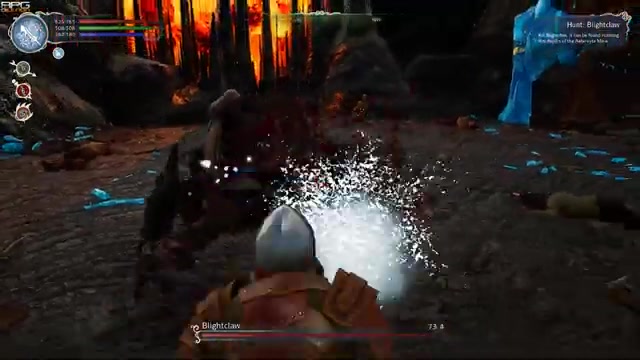
Boss fights in Forsaken Realms: Vahrin’s Call serve as build tests, not endurance challenges. The question isn’t “Can I survive this fight through perfect timing?” but rather “How fast and in what way can I get through this encounter with my current ability mix?” Most bosses are quite easy even on Suicidal difficulty, with only one or two creating real problems depending on your build and main weapon choice. This is intentional: the game doesn’t punish weak builds harshly; it instead tests whether you’ve layered enough complementary abilities to handle sustained pressure.
Your approach to boss fights should be: assess what the boss does, identify which of your spells counter that behavior, and execute your ability rotation. You’re not learning a complex attack pattern—you’re confirming your build works.
Pre-Boss Preparation#
Before entering a boss fog, spend 10 minutes in the surrounding area testing your current loadout against regular enemies. Cast your spells, watch their cooldowns, understand how long frost weapon lasts, how many enemies fireball hits, whether your bow feels accurate. This isn’t about grinding—it’s about muscle memory. You want to know your ability buttons without thinking so you can focus on boss positioning during the fight.
If you don’t have a spell that directly counters the boss’s main threat (e.g., you lack crowd control and the boss summons minions), backtrack and search for a skill book that solves that problem. The game is designed to reward this kind of preparation.
General Boss Combat Rhythm#
Enter the boss arena with your heaviest gear equipped (for fast evasion) and your primary spell loaded on your quickbar. Your rhythm should be: bait the boss’s attack, dodge, land one or two melee hits, cast your utility spell (frost to slow, fireball for damage, shield for defense), repeat. Don’t try to chain five melee hits in a row—the hit feedback is weak and you’ll eat a counterattack. Instead, treat melee as a filler between spell casts.
If you get cornered or low on health, don’t panic-dodge repeatedly. Cast a defensive spell (floating rocks shield, trap to create distance) and reposition instead. Bosses in Forsaken Realms: Vahrin’s Call don’t punish defensive play, so taking a moment to breathe and reset is always valid.
Handling Boss Phases#
The transcript mentions only one boss gave the reviewer significant trouble across the first three chapters, and difficulty depends heavily on build and weapon choice. This suggests boss phases aren’t mechanically complex—they’re likely triggered by health thresholds or time rather than intricate attack patterns. When a boss transitions to a new phase, expect increased aggression or a new attack type, not a completely different moveset.
Your response should be: if the new phase introduces a threat your current spells don’t counter, adjust your loadout (pause and swap a spell if the game allows it, or adapt your rhythm). If your current mix handles it, continue your standard ability rotation.
Builds & Loadouts#
The Hybrid Melee-Spell Foundation#
The most effective loadout combines a heavy melee weapon (for fast evasion via heavy gear) with two complementary spells. The transcript explicitly demonstrates this approach: add fireball for crowd control and area damage, add frost weapon to slow dangerous enemies, layer traps for passive pressure, and use floating rocks as a defensive layer. This combination turns basic melee into a resource-management challenge where you’re deciding “Do I cast now or swing twice more?”
Example loadout: heavy sword (melee), fireball (crowd control), frost weapon (enemy slowdown), floating rocks (defense). Against a group of enemies, you frost weapon the strongest one, fireball the group, then melee the slowed target while rocks absorb damage from others.
The Ranged-Spell Hybrid#
If you prefer not being in melee range, combine a bow with utility spells. Bow is quite satisfying to use, and ranged damage lets you control fights from distance. Pair it with frost weapon (slow enemies before they close gap), a mobility spell (if one exists—not explicitly mentioned), and traps (area denial around your position). This build plays slower and more methodically, but it avoids the weak melee hit feedback entirely.
The Trap-and-Shield Fortress#
A defensive hybrid focuses on traps and floating rocks with minimal melee. Lay traps in chokepoints, summon floating rocks to protect yourself, cast frost weapon on anything that breaks through, and use melee only as a last resort. This build is gimmicky and doesn’t leverage the full combat system, but it works if you want to minimize direct combat.
If you’re under-geared: Don’t farm for better equipment—instead, explore the next area you haven’t visited yet. Chests always grant new equipment, and new areas always have more loot than repeating old ones. The game frontloads exploration rewards, so pushing forward is more efficient than backtracking.
Troubleshooting & Common Mistakes#
- Problem: Melee feels weak and boring. Solution: You’re not using spells. Add at least one spell to your loadout immediately. Fireball or frost weapon will transform your engagement pattern.
- Problem: I’m getting rushed by multiple enemies. Solution: You lack crowd control. Fireball is the primary answer; cast it before enemies reach you, then melee the survivors.
- Problem: Dodge roll feels slow and unreliable. Solution: Equip heavier armor to unlock the fast evasion variant. Test in an open area until you see a quick dash instead of a full roll.
- Problem: Boss feels impossible. Solution: You’re likely using a pure melee build. Return to the area and search for a skill book that counters the boss’s main threat (crowd control if it summons minions, defensive spell if it deals heavy damage).
- Problem: I keep running out of spell cooldowns mid-fight. Solution: Don’t spam spells. Use them strategically between melee hits. Melee is your filler; spells are your tools.
- Problem: I’m spending too much time in menus managing the quickbar. Solution: You’re on gamepad and this is a known friction point. Minimize ability swaps during fights by committing to a 2-3 spell loadout per boss. M&K will feel smoother for ability management.
- Problem: I’ve explored everywhere and still feel weak. Solution: Confirm you’ve learned every skill book you’ve found. Go to your skill menu and verify each book has been applied. Sometimes collected books don’t auto-apply.
- Problem: Stealth isn’t working. Solution: Stealth is pretty much useless and too basic. Stop investing in it; use that energy on spells and melee instead.
Farming Loop & Route Efficiency#
The transcript doesn’t detail a specific farming loop or expected yield per run, but it does emphasize that exploration is important and that looting can get tedious due to frequent respawns. The efficient approach is: enter a new area, loot every chest and skill book once (don’t repeat), move to the next area. Don’t farm the same area repeatedly unless you’re hunting a specific quest item.
If you need equipment, push into unexplored territory. New areas always have more rewarding loot than repeating old zones. The game frontloads exploration rewards, so progression naturally encourages forward momentum rather than grinding.
The only exception: if you’re stuck on a boss and need a specific spell to counter it, backtrack and search for that skill book in previous areas. Use the area counters (shown in the UI) to identify which areas you haven’t fully explored yet.
Advanced Tips & Time Saves#
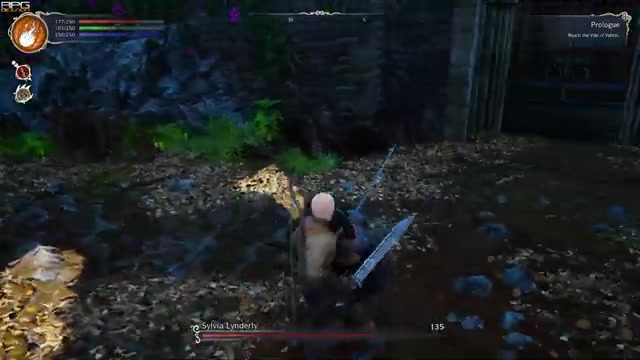
Spell Layering for Overkill: If you’re fighting a tough enemy and have multiple spells ready, layer them for maximum effect. Frost weapon first (slows the target), then fireball (guaranteed hit on slowed enemy), then melee while they’re both active. This uses cooldowns efficiently and creates a satisfying combo.
Heavy Gear Threshold Testing: Before committing to a full heavy armor build, test the exact weight threshold in an open area. Equip pieces one at a time until the dodge animation changes from a full roll to a quick dash. You want to be just heavy enough to trigger fast evasion without being so heavy that movement feels sluggish.
Bow Spacing: Bow is quite satisfying to use, but it requires distance. In enclosed areas (narrow passageways, dungeons), bow is less effective than spells. Prioritize spells in tight spaces and save bow for open areas where you can maintain range.
Trap Placement: If you’re using traps, place them in chokepoints or doorways where enemies must pass through them. Don’t place traps randomly in open areas—enemies will avoid them. Traps are area denial tools, not damage sources.
FAQ#
Is pure melee viable in Forsaken Realms: Vahrin’s Call?#
Pure melee is technically viable but not recommended. Melee combat is way too basic, hit feedback is weak, and dodge roll animations are unreliable, making pure melee encounters feel flat and repetitive. If you’re looking for a soulslike to play purely with melee builds and aren’t interested in mixing things, it’s difficult to recommend Forsaken Realms. The game is designed to reward hybrid playstyles, and you’ll find combat significantly more engaging when you layer spells with melee.
Where do I find new spells and techniques in Forsaken Realms: Vahrin’s Call?#
Skill books are your only consistent way to learn new spells and techniques outside of boss drops and quest rewards. Each area displays a counter showing how many skill books exist in that region. Explore thoroughly—some are hidden in non-obvious locations like alcoves, behind destroyed walls, or at the end of puzzle sequences. Skill books are always useful, so grab every one you find.
How do I get better equipment in Forsaken Realms: Vahrin’s Call?#
Chests are your primary source of new equipment; new gear drops only from bosses and quest rewards otherwise. Every area is full of chests, and exploration definitely pays off. However, looting can get tedious due to frequent respawns, so don’t feel obligated to loot the same chests repeatedly—grab new ones and move forward to unexplored areas.
What’s the best strategy for boss fights in Forsaken Realms: Vahrin’s Call?#
Boss fights serve as build tests: they confirm whether your current ability mix can handle sustained pressure. Most bosses are quite easy even on Suicidal difficulty. Your approach should be: assess what the boss does, identify which of your spells counter that behavior, and execute your ability rotation. Bait attacks, dodge, land one or two melee hits, cast a utility spell, repeat. If you lack a spell that counters the boss’s main threat, backtrack and find a skill book that solves that problem.
Why is my dodge roll so slow and unreliable in Forsaken Realms: Vahrin’s Call?#
Dodge roll animation is problematic with inconsistent speed and distance. However, equipping heavy gear grants you a “quick evasion” variant that skips the full roll animation, letting you dodge faster without recovery lag. Test your gear weight in an open area—if you see a fast dash instead of a full roll, you’ve hit the heavy gear threshold and will benefit from faster evasion.
Is stealth useful in Forsaken Realms: Vahrin’s Call?#
Stealth is pretty much useless and too basic. Don’t invest in it; use that energy on spells and melee instead. The game’s combat is designed around ability mixing, not sneaking, so stealth playstyles will feel underdeveloped compared to hybrid builds.
Should I use a gamepad or keyboard and mouse in Forsaken Realms: Vahrin’s Call?#
Keyboard and mouse will feel smoother for ability management because gamepad requires frequent quickbar menu popups to select spells during combat. Some shortcut buttons appear to be missing for gamepads, which creates friction when casting abilities mid-fight. If you’ve a choice, M&K is the better experience, though both are playable. The developers may add gamepad shortcuts in future updates.
Checklist#
- Explore your current area fully and collect all visible skill books—they’re your only consistent source of new spells and techniques.
- Learn at least three skill books before your next boss fight to have spell options available.
- Build your first hybrid loadout: one heavy melee weapon + two complementary spells (e.g., fireball for crowds, frost weapon for slowdown).
- Test your loadout against regular enemies in an open area for 10 minutes to build muscle memory for your spell buttons.
- Equip heavy gear and test your dodge animation in an open area until you see a fast dash instead of a full roll.
- Gather equipment from chests in unexplored areas—don’t farm the same areas repeatedly.
- Before entering a boss fog, confirm you’ve a spell that counters the boss’s main threat (crowd control, defense, or direct damage).
- During boss fights, use this rhythm: bait attack → dodge → one or two melee hits → cast utility spell → repeat.
- Layer spells strategically (frost first, then fireball) for maximum effect rather than spamming them randomly.
- If you get stuck on a boss, backtrack and search for a skill book that solves the problem instead of grinding for better equipment.
- Avoid pure melee builds and stealth playstyles—they don’t leverage the game’s design, which rewards ability mixing.
- On gamepad, minimize ability swaps during fights by committing to a 2-3 spell loadout per boss to reduce menu friction.
Source & credit#
This guide draws on the excellent video walkthrough by RPG Division — watch it for the full visual run-through, and give the creator your view:
https://www.youtube.com/watch?v=C1dP-mLemz0Following Forsaken Realms: Vahrin’s Call? Get an email when we publish a new guide — or update one after a patch.