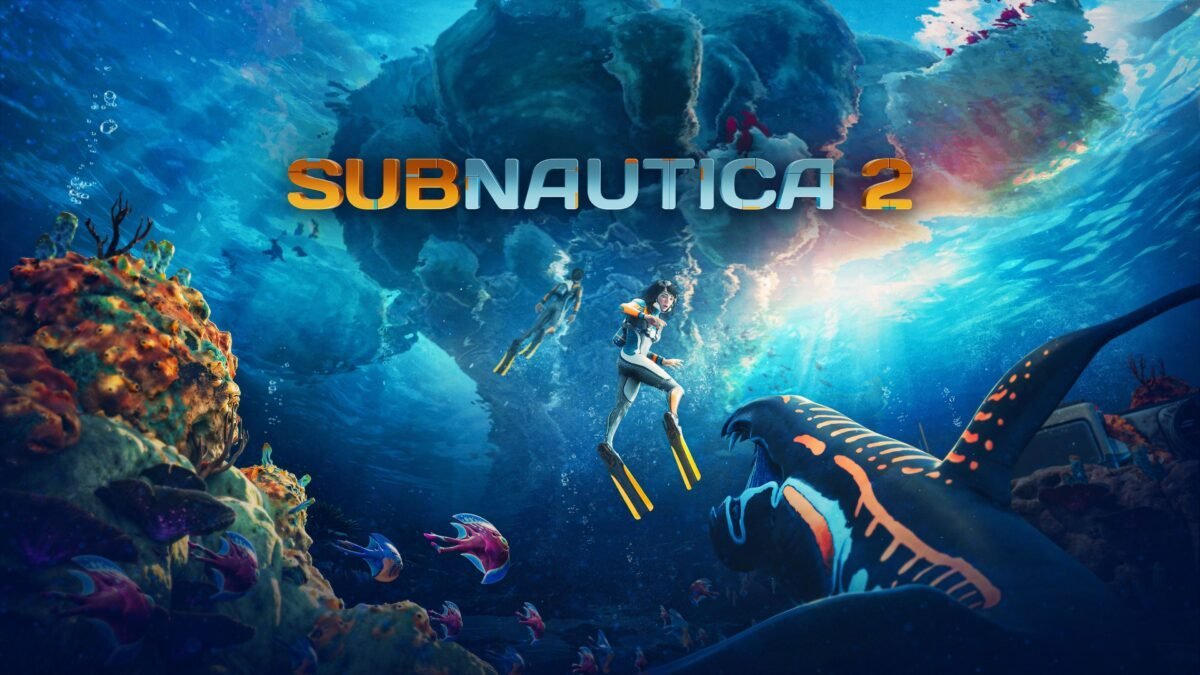
There is a particular kind of fear only Subnautica understands.
It is not the loud, jump-scare kind. It is quieter than that. It is the slow realization that the ocean beneath you keeps going. That the shape moving in the distance might be nothing, or it might be something that noticed you long before you noticed it. That every extra meter downward feels like a decision you may not get to undo.
During a private press event for Subnautica 2, Unknown Worlds Entertainment made one thing very clear: the sequel is not trying to reinvent Subnautica into something unrecognizable. It is still a game about being small, fragile, curious, and wildly underprepared on an alien world. But it is also not just “more of the same.”
Subnautica 2 is set on an entirely new planet, separate from 4546B, the world players explored in Subnautica and Subnautica: Below Zero. That shift gives Unknown Worlds room to introduce a new story, new creatures, new systems, new threats, and, maybe most importantly, a new sense of uncertainty.
Lead Game Designer Anthony Gallegos described the series less as a traditional survival game and more as an exploration game where survival exists to push players deeper into the unknown. That philosophy still sits at the center of Subnautica 2. There will not be a quest log telling you to gather four of something, build a workbench, and report back. The team wants players to follow clues, craft out of necessity, chase strange shapes on the horizon, and feel like they discovered something because they were paying attention.
That is the delicate trick Subnautica 2 is trying to pull off. It wants veterans to feel like they have come home, while also making them feel lost again.
Early Access Begins With A Surprisingly Big First Dive
Subnautica 2 is launching into early access TODAY on May 14 for $29.99 USD, with regional pricing planned. Unknown Worlds expects the game to remain in early access for at least two years, which tracks with how the studio has historically built the series alongside its community.
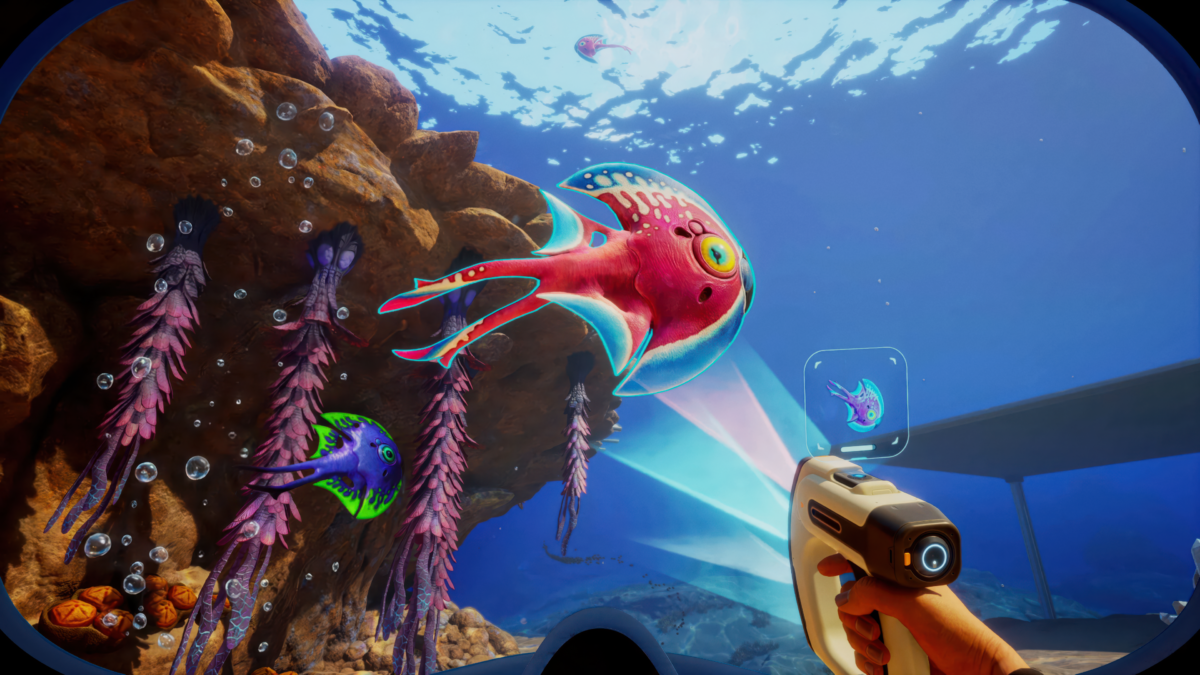
The initial early access launch sounds more substantial than a thin first slice. According to the team, players can expect roughly 14 to 20 hours of content depending on playstyle, with more than 10 biomes available at the start. Survival mode and Creative mode will both be included at early access launch, giving players the option to either fight for every breath or immediately start making absurd underwater dream homes.
That early access philosophy matters here. Unknown Worlds repeatedly emphasized that Subnautica has always benefited from player feedback. The original Subnautica and Below Zero both changed heavily during development, and the team expects Subnautica 2 to follow that same path.
A New Planet, A Failed Colony, And An AI Named Noah
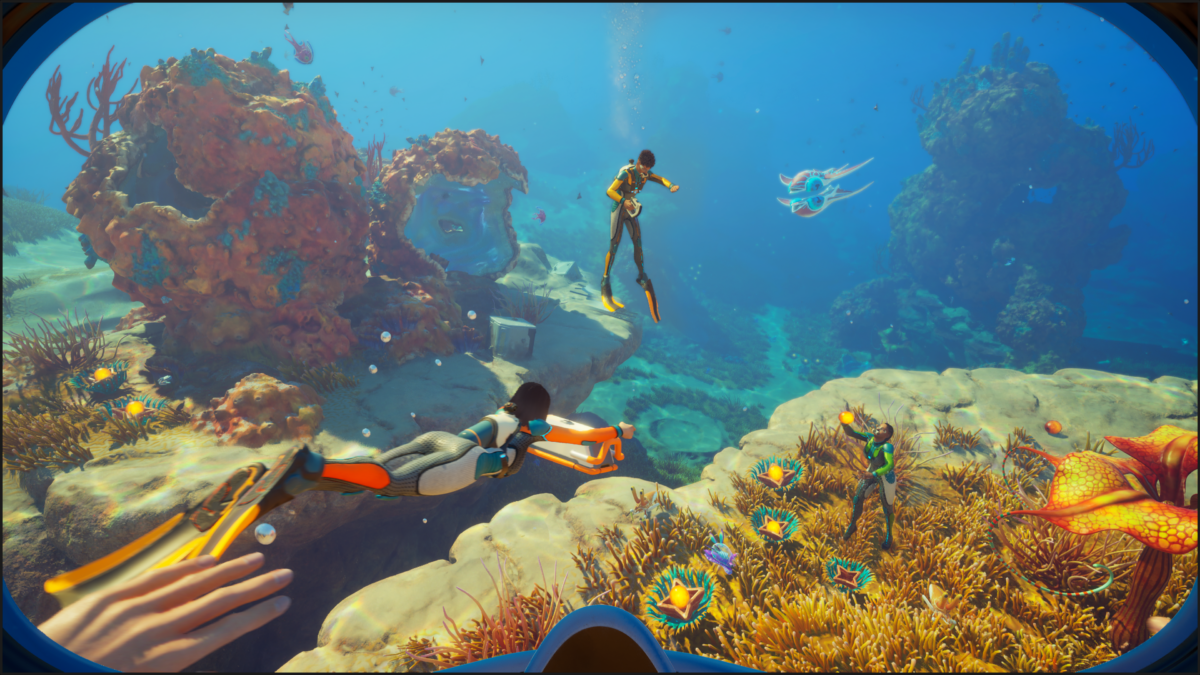
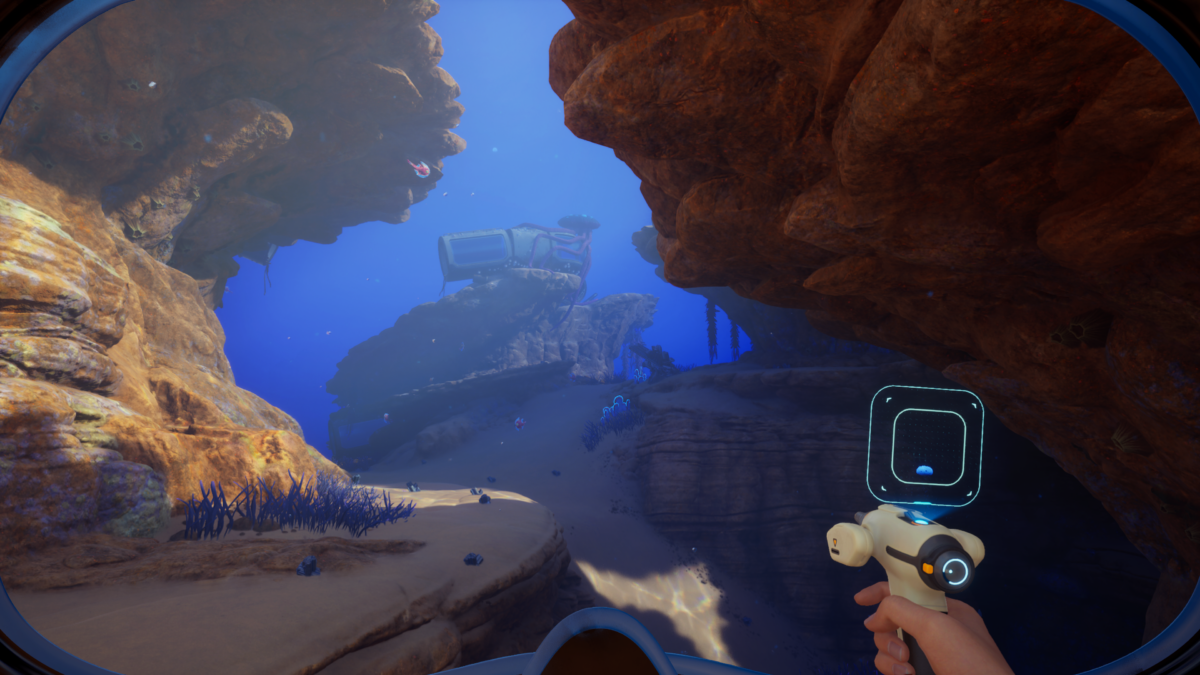
Subnautica 2 begins in a new alien ocean, but the opening is intentionally familiar. Players will still start by struggling for oxygen, gathering water and food, crafting early gear, and taking those first questionable cave-diving risks that every Subnautica player knows are a bad idea until they do it anyway.
The difference is that this planet does not play by the same biological rules. Early in the game, players are apparently unable to digest the proteins found in the local ecosystem. To survive, they will need to interact with native plant life and gain adaptations over time.
That system, referred to in the presentation as biomods or adaptations, seems like one of Subnautica 2’s biggest new mechanical hooks. It is not full creature gene-splicing, but rather a kind of light self-modification system that lets the player slowly become better suited to a world they were never meant to inhabit.
The story is built around a failed human colony. Players wake up after that colony has already collapsed, then begin piecing together what happened. Unknown Worlds described the setup as still preserving the series’ core isolation: everyone is gone, the mystery remains, and you are left to investigate the ruins.
There is also Noah, a new AI presence. But unlike a constant companion chattering in your ear, Noah will not be able to talk to players while they are out in the field. You will need to return to and engage with Noah directly, which feels like a smart compromise. It gives the story a voice without breaking the lonely atmosphere that made the original so powerful.
And yes, the protagonist is silent again. According to the team, that was actually a major fan request.
The World Is Meant To Feel More Alive
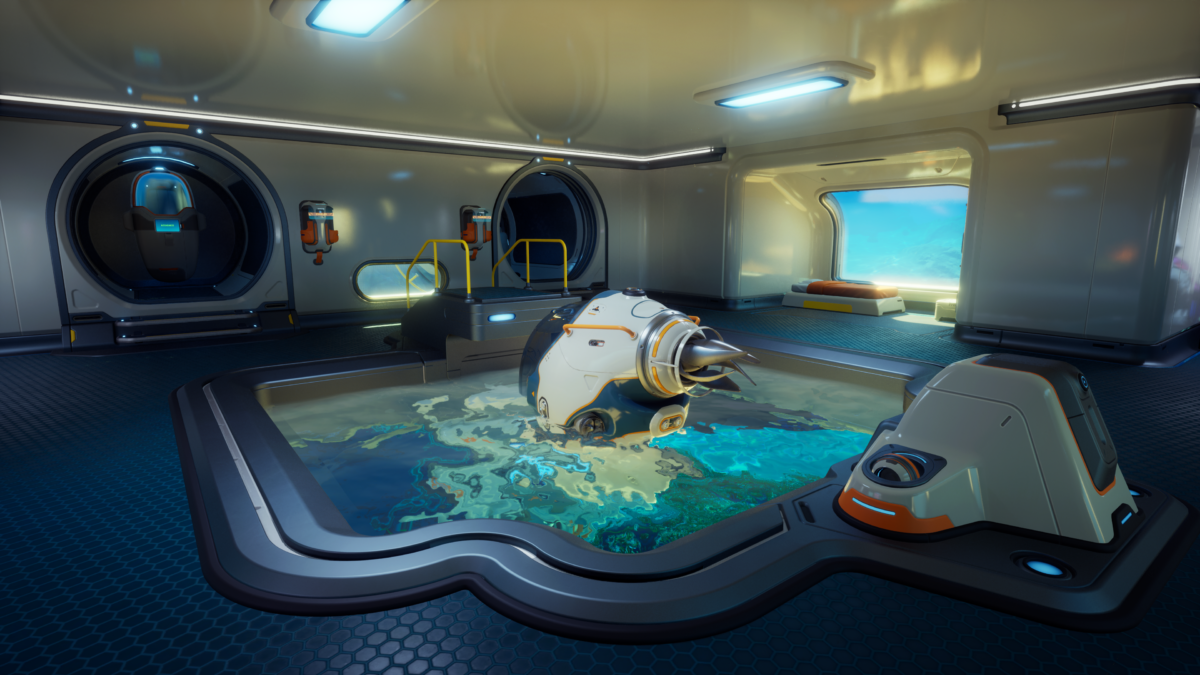
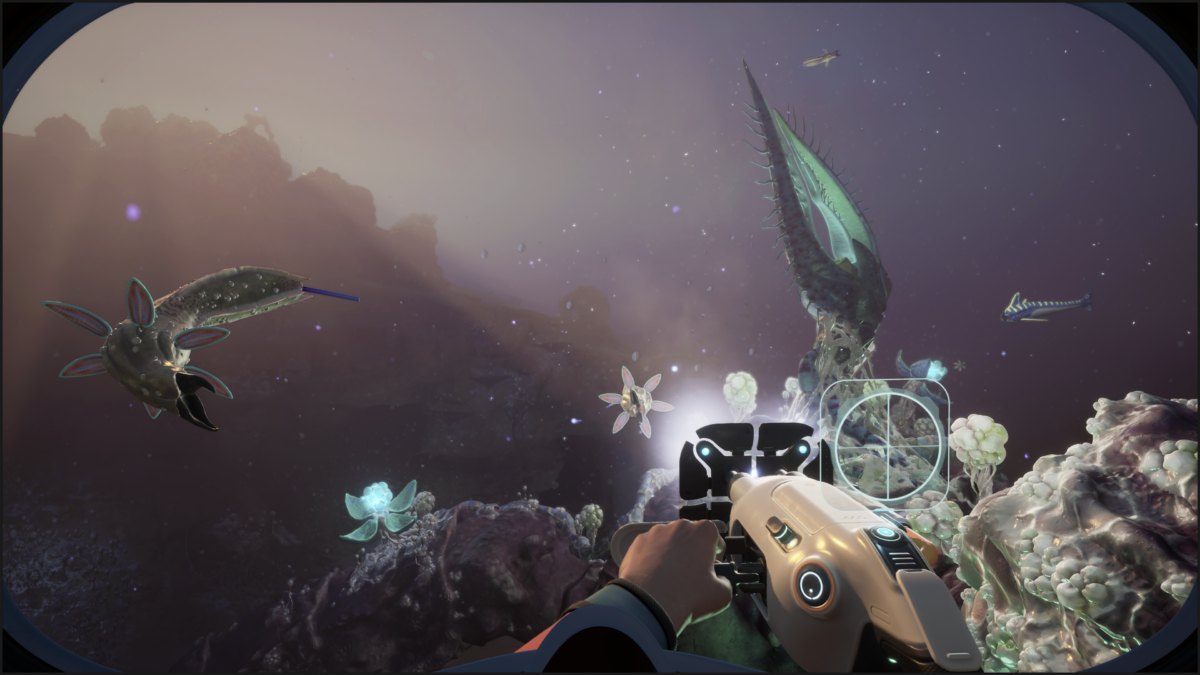
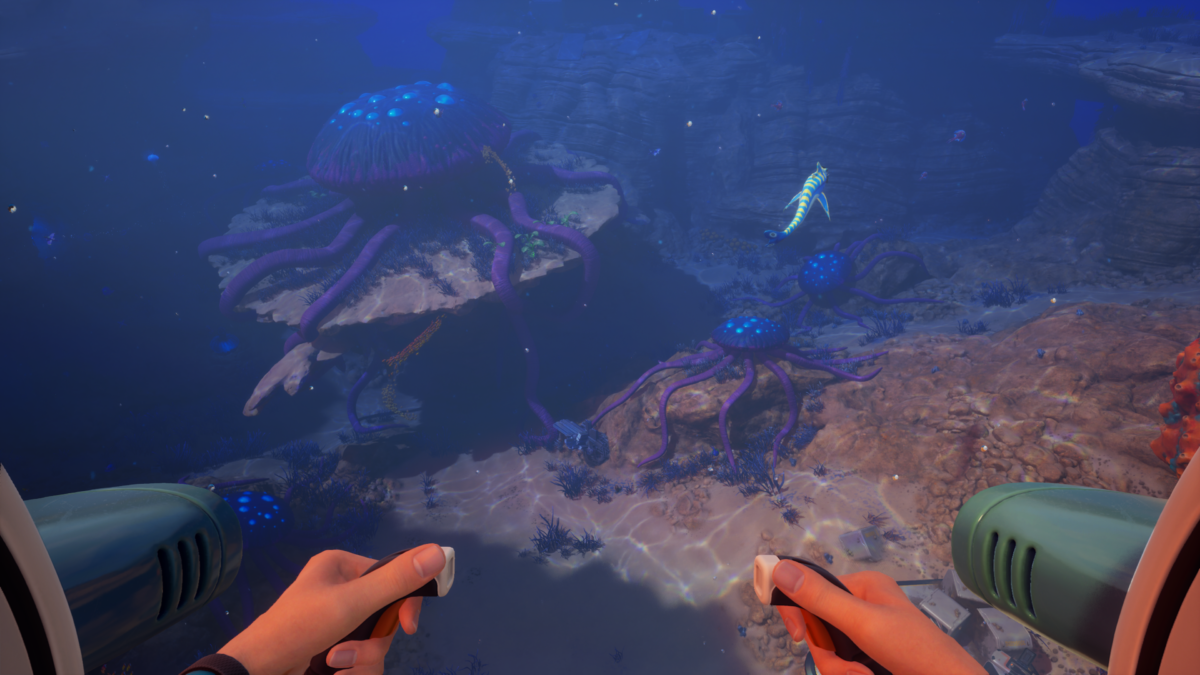
One of the most exciting parts of the presentation was how much Unknown Worlds talked about creature behavior. Subnautica has always been at its best when its wildlife feels like it exists for reasons beyond the player. Subnautica 2 is pushing that much further.
The team showed off creatures like the Hammerhead, which can bash coral and even collide with others of its own kind. The goal is to make alien life feel like it has habits, routines, and environmental relationships instead of simply waiting for the player to swim into an invisible aggro bubble.
That philosophy extends to the world itself. Thanks to Unreal Engine 5, Unknown Worlds says it can now do things that were technically out of reach during the original game’s development. The sequel uses Nanite and Lumen to push denser environments and more dynamic lighting, but the real promise is a more reactive ecosystem.
Creatures can think about and respond to more than one thing at once. The environment can better react to the player. The ocean, in theory, should feel less like a beautiful diorama and more like a hostile living place you are trespassing through.
Bloom, Blight, And The New Ecological Threat
Subnautica 2 also introduces a major ecological problem called “bloom.” In the game’s world, bloom appears when the planet is under ecological distress, causing infected root systems and blighted areas players will need to secure.
These infected zones change the mood dramatically. Colors become muted, the atmosphere turns more threatening, and some creatures become more aggressive because of the infection. Unknown Worlds was careful to frame those creatures not as evil, but as sick. That fits neatly with Subnautica’s long-running nonviolent design philosophy.
This is not a game about conquering the planet. It is about learning how to survive alongside it.
Co-Op Is Optional, Flexible, And Crossplay-Friendly
Co-op is easily one of Subnautica 2’s biggest new additions, but Unknown Worlds seems very aware of the anxiety surrounding it. Subnautica is famous for isolation, and adding friends could theoretically puncture that tension.
The team’s answer is simple: Subnautica 2 is still designed as a single-player game first. Co-op is something you opt into, not something the game forces on you.
Players can explore together, but they are not tethered to each other. There is no forced distance keeping everyone within 500 meters. That means one player might be building a base while another is far away in deep water, suddenly remembering that “co-op” does not help much when something massive swims between you and the surface.
Progression is shared, and the save system sounds surprisingly flexible. A solo save can be converted into a multiplayer save. A multiplayer save can be shared with another player so they can host. Players can make saves at any time, and if someone joins later, they will not need to desperately catch up on progression from scratch.
Crossplay is also planned across Xbox and PC platforms at launch.
The Tadpole Replaces The SeaMoth And SeaTruck…Sort Of
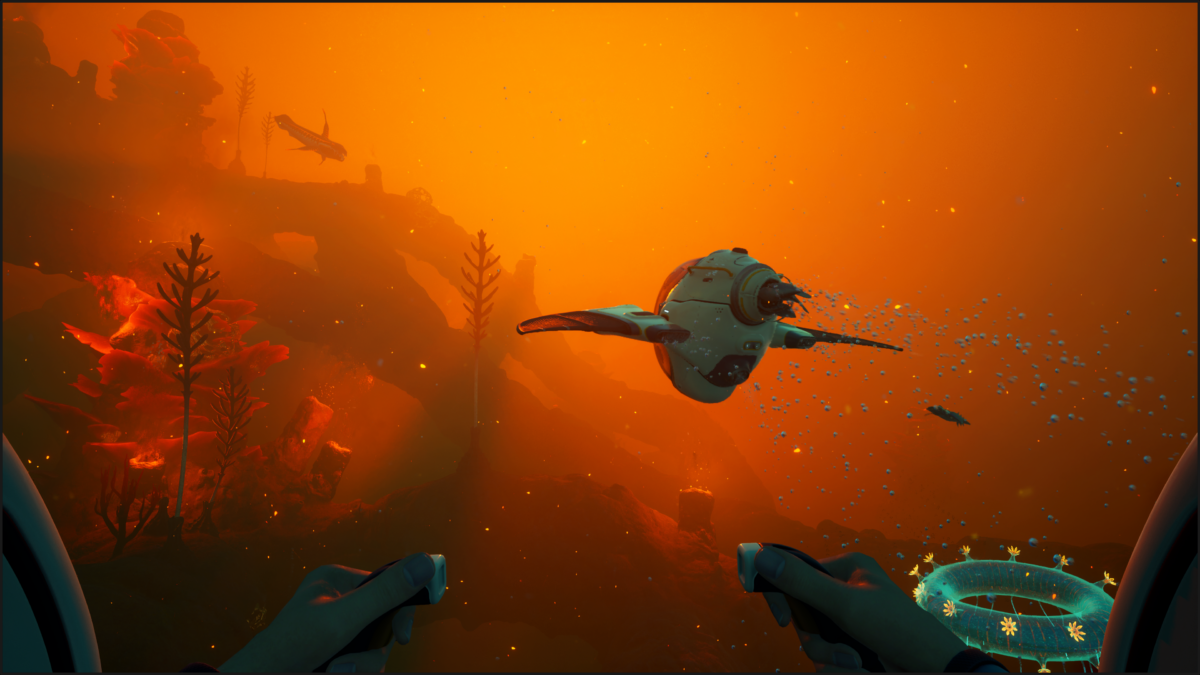
Subnautica 2’s first smaller submersible is called the Tadpole. It fills the early vehicle role previously occupied by the SeaMoth and SeaTruck, but it comes with a new chassis system.
Rather than being locked into one style of movement or utility, the Tadpole can equip different chassis that change how it handles and what it is good at. The first chassis players will encounter is the Scout Ray wings, which make it faster and more maneuverable. A more cargo-focused chassis is also planned for launch.
That modular approach sounds like a strong fit for Subnautica’s progression loop. Vehicles are not just transportation in these games. They are confidence machines. The first time you climb into one, the ocean feels a little less impossible. Then something bigger shows up and reminds you that confidence is temporary.
Unknown Worlds also teased a larger sub currently in development. Players will not be able to freely sculpt the exterior hull, because the team needs set vehicle sizes to design progression and spaces properly. But the interior is planned as a customizable open floor plan, letting players build out their own rooms and functions inside.
Base Building Has Been Completely Overhauled
The most dramatic system shown during the event was base building.
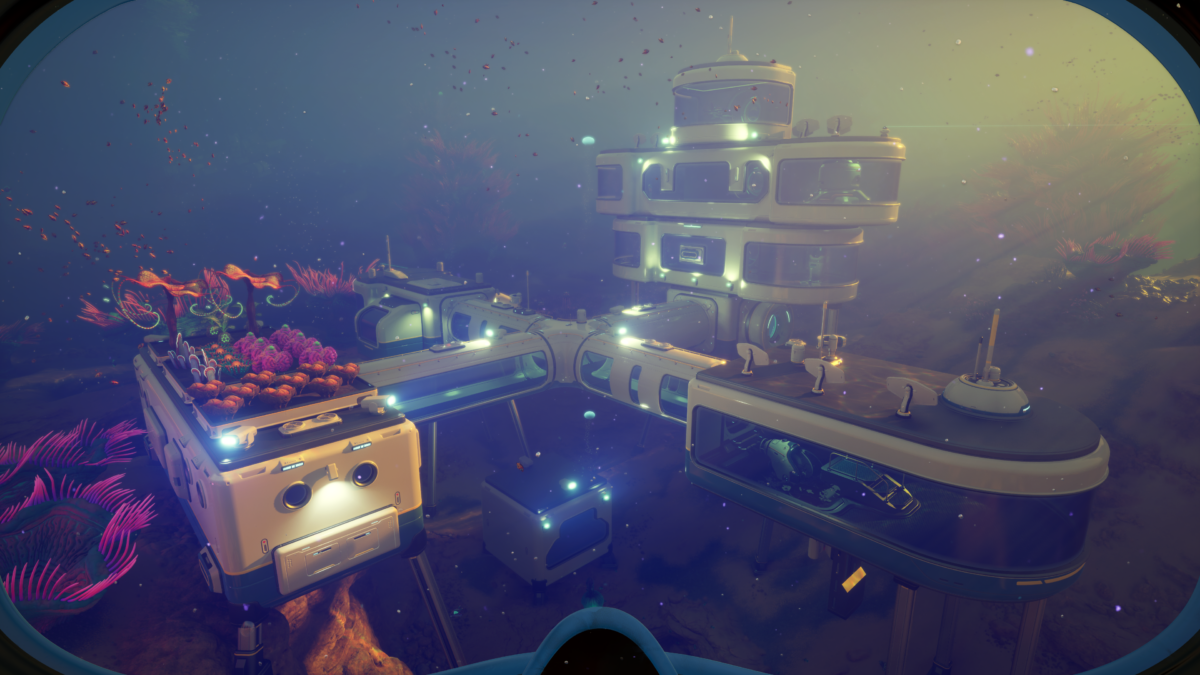
Previous Subnautica games used modular pieces that snapped together. Subnautica 2 moves toward what Unknown Worlds calls a sculptural system. Players start with a basic shape, then use a brush-like tool to push, pull, and extrude the structure into new forms.
The team compared the idea to extruding clay in 3D modeling software, and that tracks with what was described. You can create larger spaces, pull out corridors, shape walls, customize windows, and build far stranger structures than the old room-based system allowed.
Even moon pools are customizable in size. Gallegos joked that players could make a massive 100-meter square room, turn the entire thing into a moon pool, and dock multiple subs inside.
Windows can be resized from small portholes to enormous wall-sized views, and because lighting is more dynamic, the shape and placement of windows can meaningfully change the mood of a base. Interior lighting is also more flexible, although players will need to watch their power usage. In multiplayer especially, the team warned that everyone going wild with base systems can quickly lead to oxygen production shutting off.
That is very Subnautica. Build the dream base. Make it beautiful. Then realize you accidentally designed a luxury coffin.
Five Leviathans At Early Access Launch
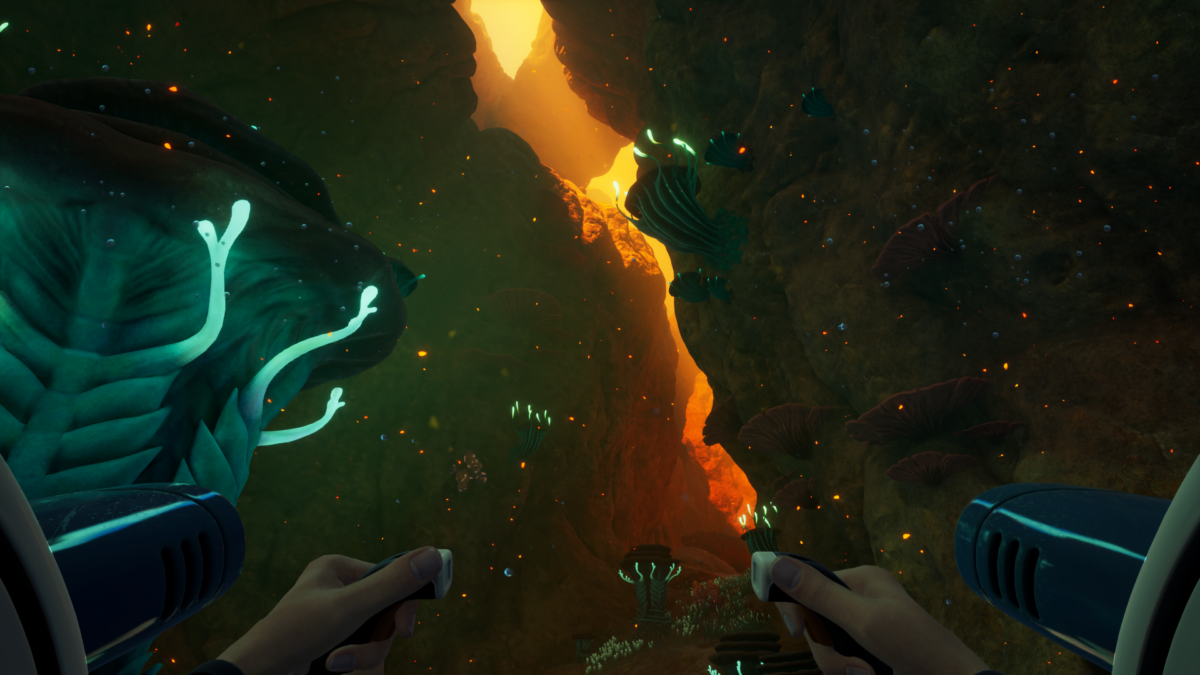
Subnautica 2 will launch into early access with five Leviathans. The team showed the giant Coral Crab, but the big nightmare creature they pointed to is called the Collector.
The Collector is described as the aggressive one players should probably avoid. Unknown Worlds wants Leviathan encounters to deliver on the fear players expect. If something massive grabs you, it should feel awful in exactly the way Subnautica fans secretly want it to.
The team also said the deeper water in Subnautica 2 gets much darker and much scarier than the early footage shown during the presentation. They are intentionally hiding shapes at the edge of the player’s vision again — those blurry movements on the horizon that make your brain start negotiating with itself.
Still Nonviolent, But With Better Tools
Subnautica 2 is staying committed to the franchise’s nonviolent identity. Unknown Worlds does not want players clearing out dangerous areas by killing every major threat. The goal is still avoidance, adaptation, deterrence, and learning how to exist in the ecosystem rather than dominate it.
That said, the team acknowledged that players want more ways to respond when things go wrong. Subnautica 2 will offer tools that can distract creatures or shift their behavior, giving players more defensive options without turning the game into an underwater shooter.
The knife has also been replaced by a survival multi-tool, which seems like another small but meaningful signal. Subnautica 2 is not removing danger. It is asking players to think their way around it.
The Roadmap Already Has Some Big Additions Planned
Unknown Worlds also laid out the first steps of Subnautica 2’s early access roadmap.
The first major post-launch update, Early Access 1.1, will focus mostly on quality-of-life improvements. Planned additions include improvements to the biomod system, blight encounters, vehicle docking and fabrication, more PDA databank entries, voice log prioritization, more passive biomod slots, a storage cache, and sprinting.
The next update, Early Access 1.2, will be more co-op focused. Planned features include HUD improvements, base building tool improvements, a clearer pinned recipe system, proximity voice chat, animated player emotes, a player revive system, and additional customization options.
Beyond those first updates, the team is already looking toward a major expansion of the world with new biomes, creatures, Leviathans, resources, tools, a new vehicle, and the next chapter of the story.
It Sounds Like Subnautica Again, And That’s Probably The Point
There is always risk in making a sequel to a game people remember emotionally. Players do not just want another checklist of features. They want to feel the way they felt the first time they swam too deep, ran out of oxygen, heard something in the dark, and barely made it back alive.
Unknown Worlds seems to understand that.
Subnautica 2 is adding co-op, more flexible base building, a new self-adaptation system, smarter creatures, larger ambitions, and a long early access roadmap. But underneath all of that, the pitch is refreshingly simple: a new ocean, a new mystery, and that same terrible feeling that something is watching from just beyond the light.
For a series built on curiosity and dread, that is probably exactly where it needs to be.