If you’ve spent much time digging through Steam’s new releases lately, you’ve probably noticed a very specific type of game showing up over and over again. Following the success of Librarian: Tidy Up the Arcane Library!, there has been no shortage of games built around the simple satisfaction of taking an absurd number of misplaced objects and putting them back where they belong.
Cellar Keeper is the wine version.
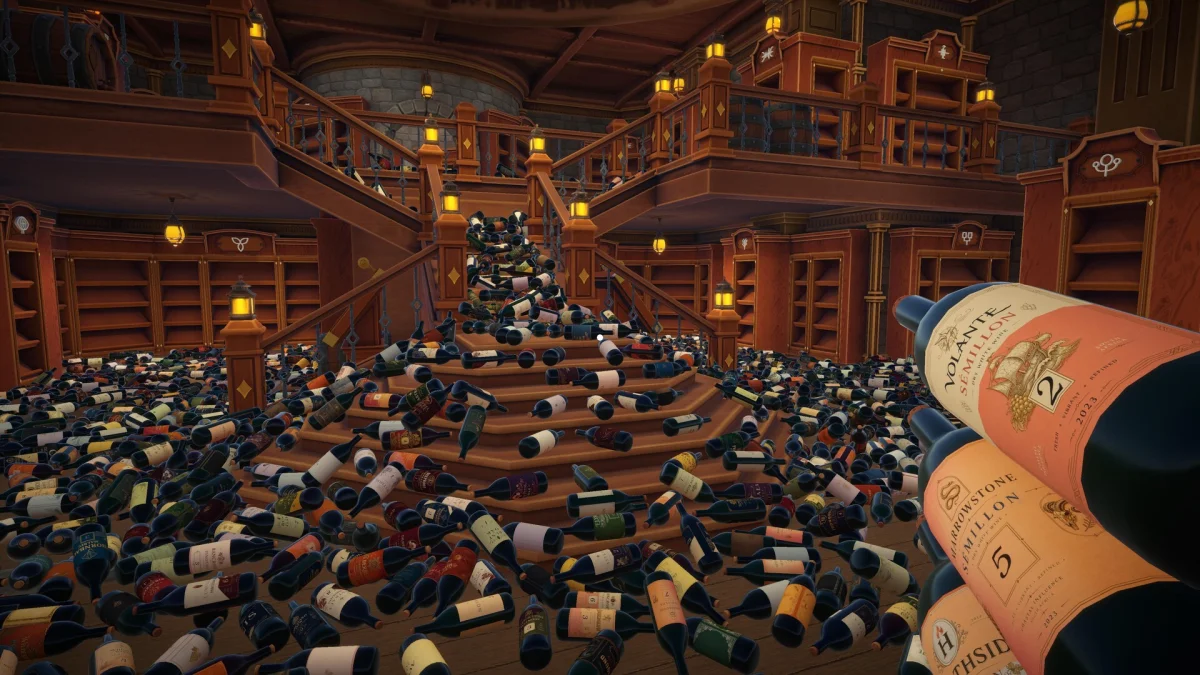
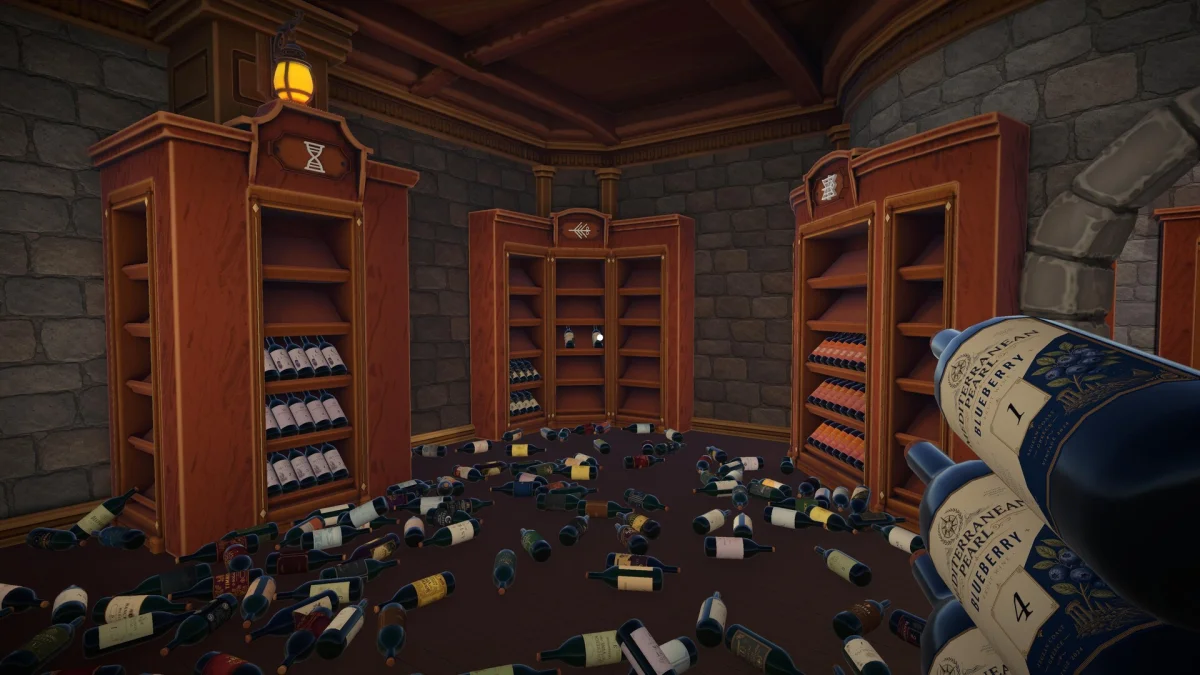
There isn’t much more setup required than that. A wine cellar has fallen into complete disarray, leaving 2,448 bottles scattered throughout it. Your job is to figure out where each one belongs, put it back on the proper rack, and eventually turn the mess back into something resembling an actual organized collection.
And that’s pretty much the game.
That simplicity isn’t necessarily a problem. There’s obviously an audience for this particular style of organizational busywork, and I can understand why. You can fall into a rhythm of picking up bottles, figuring out where they belong, making the trip across the cellar and slowly watching previously chaotic shelves fill back up.
The problem for Cellar Keeper is that we’ve reached a point where merely providing another thing to organize isn’t enough to make one of these games particularly interesting.
Cellar Keeper Goes Big on Bottles
In this case, what it does provide is scale.
There are a lot of bottles here, and the layout of the cellar means getting all of them where they need to go isn’t something you’re going to knock out over a quick evening. I played the majority of Cellar Keeper in Hardcore Mode, and finishing my run took me more than 10 hours.
Hardcore also drastically changes how that time is spent. You’re limited to carrying just two bottles at once, dropping or stepping on one will break it, and breaking a single bottle ends the run entirely. That naturally makes every trip through the cellar more deliberate, especially once you’ve already invested several hours into getting everything in order.
It also exacerbates just how much walking is involved.
With thousands of bottles spread around the cellar and only two available carrying slots, Hardcore turns the entire process into a very long series of small logistical decisions. What can I grab on the way? Which section should I clear next? Is there anything else nearby that belongs in the same part of the cellar?
There’s something oddly compelling about settling into that process, but Cellar Keeper doesn’t really develop it much beyond increasing the quantity of work that needs to be done.
Learning the Cellar Is More Annoying Than Satisfying
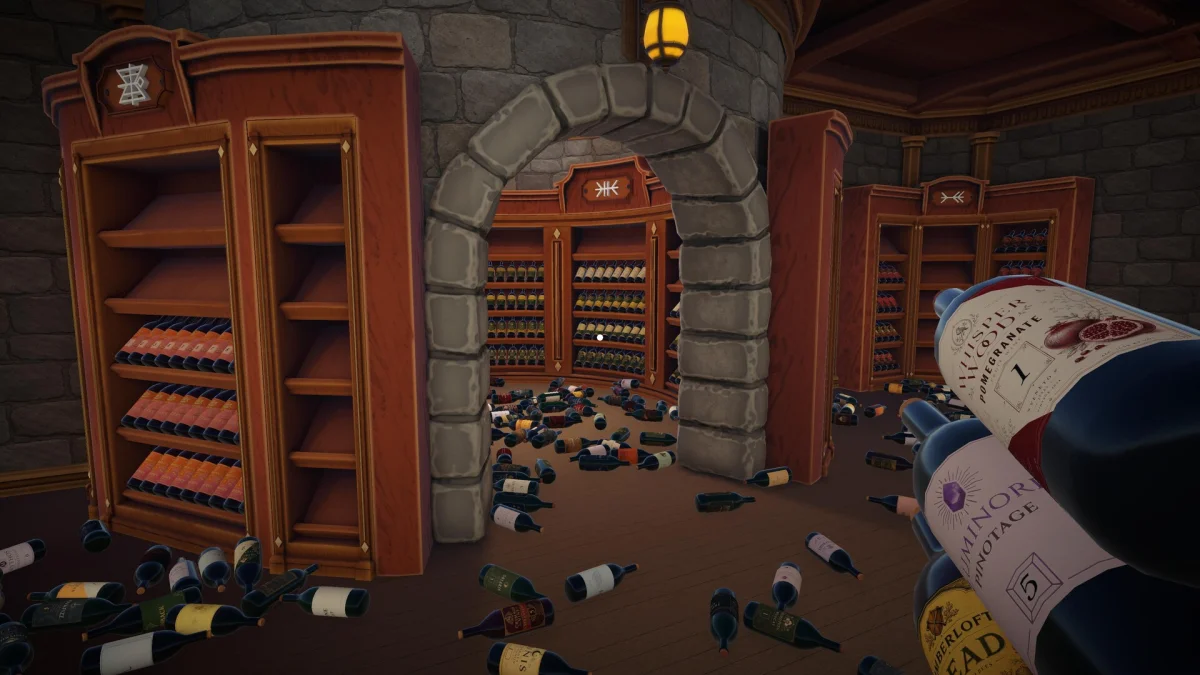
One of my bigger frustrations early on was simply learning where everything went. Bottles and locations are associated with symbols that eventually become familiar, but getting to that point was more annoying than satisfying.
During those opening hours, I spent more time than I would’ve liked trying to remember what the various symbols represented and where in the cellar I needed to go.
Eventually that information starts sticking in your head and the whole process becomes substantially easier. I’m not sure I’d call that rewarding, though. It felt more like I had finally memorized enough of an inconvenient system for it to stop getting in my way.
That’s an important distinction in a game where learning the environment is supposed to be part of the satisfaction. I never really felt like I was mastering the cellar so much as overcoming an initially cumbersome way of communicating where things belonged.
The Skills Almost Solve the Game for You
There is another way to speed things up considerably.
Outside of Hardcore, completing sections allows you to unlock skills designed to make organizing easier. The game offers upgrades to things such as carrying, searching and movement, allowing you to become considerably more efficient as you progress.
I played enough of the regular mode to experiment with those skills, and the difference is immediate.
They’re useful. Maybe too useful.
This is something I’ve run into with other games built around this same concept. The entire appeal is supposed to be the process of sorting everything out, learning the environment and gradually making order out of chaos. Then the progression system starts handing you abilities specifically designed to circumvent more and more of that process.
It creates an awkward relationship between the gameplay loop and the rewards you’re earning from it. You play the game to become better at barely having to engage with the thing the game is about.
Hardcore sidesteps some of that by stripping the experience down and forcing you to deal with the cellar much more directly, but the result swings pretty far in the opposite direction. My run lasted more than 10 hours largely because I had thousands of bottles to move through an environment two at a time.
Neither approach entirely works.
More of the Same Isn’t Necessarily a Bad Thing
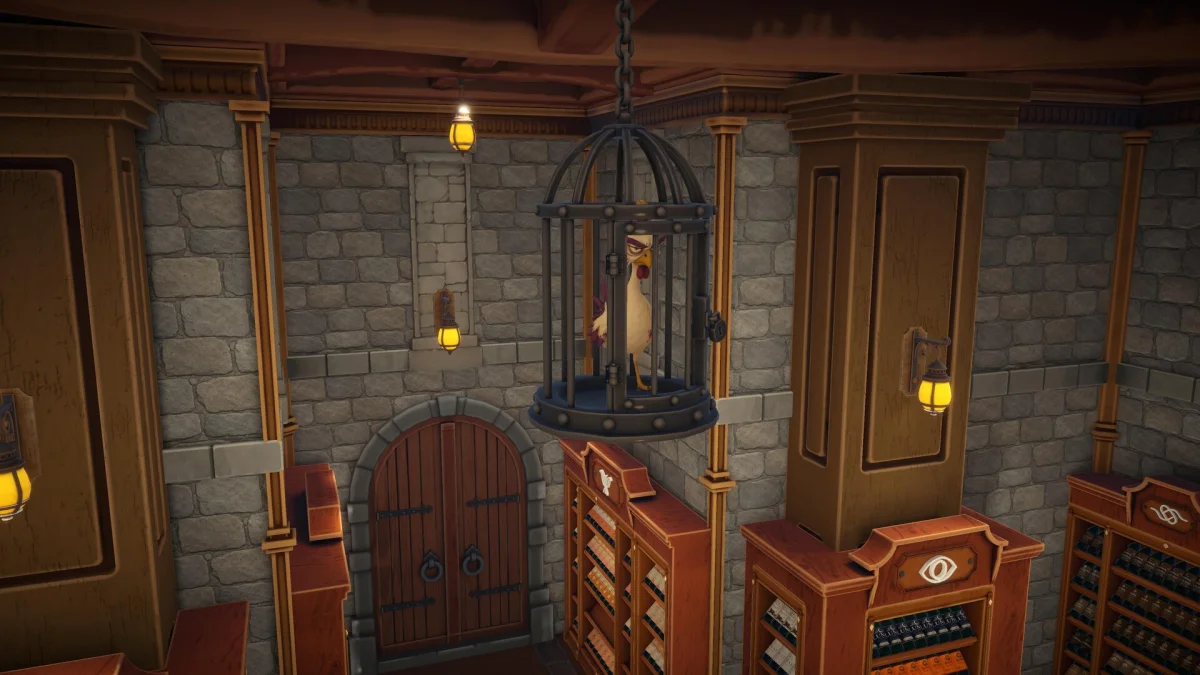
The more fundamental problem is that Cellar Keeper doesn’t have much of an idea beyond “what if one of these games had wine bottles?”
That doesn’t make it bad.
If you played Librarian: Tidy Up the Arcane Library! or one of the many organizational games that have followed and reached the end wishing someone would give you another giant pile of stuff to sort, Cellar Keeper absolutely does that.
There is an enormous amount here to put away, and at $4.99, it’s not asking much for the amount of time you can spend doing it.
But that’s also about where the recommendation ends.
The wine cellar setting doesn’t meaningfully change the formula. The bottles don’t create particularly interesting new organizational problems. The symbol system added more inconvenience than depth for me, while the standard progression eventually makes the basic task dramatically easier. Hardcore makes the process much more demanding, but mostly by stretching an already repetitive loop across a much longer playtime.
Cellar Keeper Review Verdict
Cellar Keeper arrives at a point where this little organizational subgenre is rapidly filling up. Simply offering another setting and another few thousand objects to put away isn’t quite enough anymore.
If that’s exactly what you’re looking for, there’s plenty of sorting waiting for you down in this cellar. It delivers more of the same formula that made games like Librarian appealing, and there is certainly a lot of it here.
Just don’t expect it to bring much new to the shelf.