- Easy
- Difficulty
- 16 min
- Read time
- 8
- Steps
- 1.0
- Checked on
30-Second Quick-Start (TL;DR)
- Rats don’t appear in Resonance: A Plague Tale Legacy as a primary threat mechanic.
- The game shifts focus to direct melee combat with Sophia instead of the rat-evasion survival of earlier Plague Tale games.
- The Macula curse is explored through ancient Minoan mythology and mechanical systems rather than rat swarms.
- Combat emphasizes guard-break attacks, critical strikes, and chaining finishers across multiple enemies.
- Stealth and platforming are secondary to combat, with light manipulation puzzles using a Minoan sphere.
- Difficulty ranges from Narrative to Nightmare; Normal mode isn’t especially challenging without upgrades.
- Story is set 15 years before A Plague Tale: Requiem and explores Sophia’s past on Minotaur’s Island.
- The game is approximately 12 hours long with strong pacing until a slightly extended final act.
What This Guide Helps You Do
This guide clarifies what to expect from Resonance: A Plague Tale Legacy regarding rat encounters and how the game’s gameplay differs from earlier entries in the series. You’ll understand how the game reframes the Plague Tale universe through Sophia’s story, what combat and exploration mechanics replace the rat-evasion survival of Amicia’s games, and how to approach the game’s difficulty, progression, and story structure. It’s best for players coming from A Plague Tale: Innocence or Requiem who wonder whether rats remain a core threat, and for anyone curious about how Resonance reinvents the franchise.
Requirements & Prep
Resonance: A Plague Tale Legacy is a standalone story set 15 years before A Plague Tale: Requiem, so you don’t need to have played earlier Plague Tale games to understand or enjoy it. That said, familiarity with the series’ lore—particularly the Macula curse and its connection to the rat plagues—will deepen your appreciation of how Resonance explores the curse’s ancient origins.
The game offers five difficulty settings: Narrative, Standard, Normal, Hard, and Nightmare. You can raise or lower difficulty at any time without penalties, so feel free to adjust if the challenge doesn’t match your preference. On a standard PC or console, expect around 12 hours of playtime for a single story run.
Route Overview
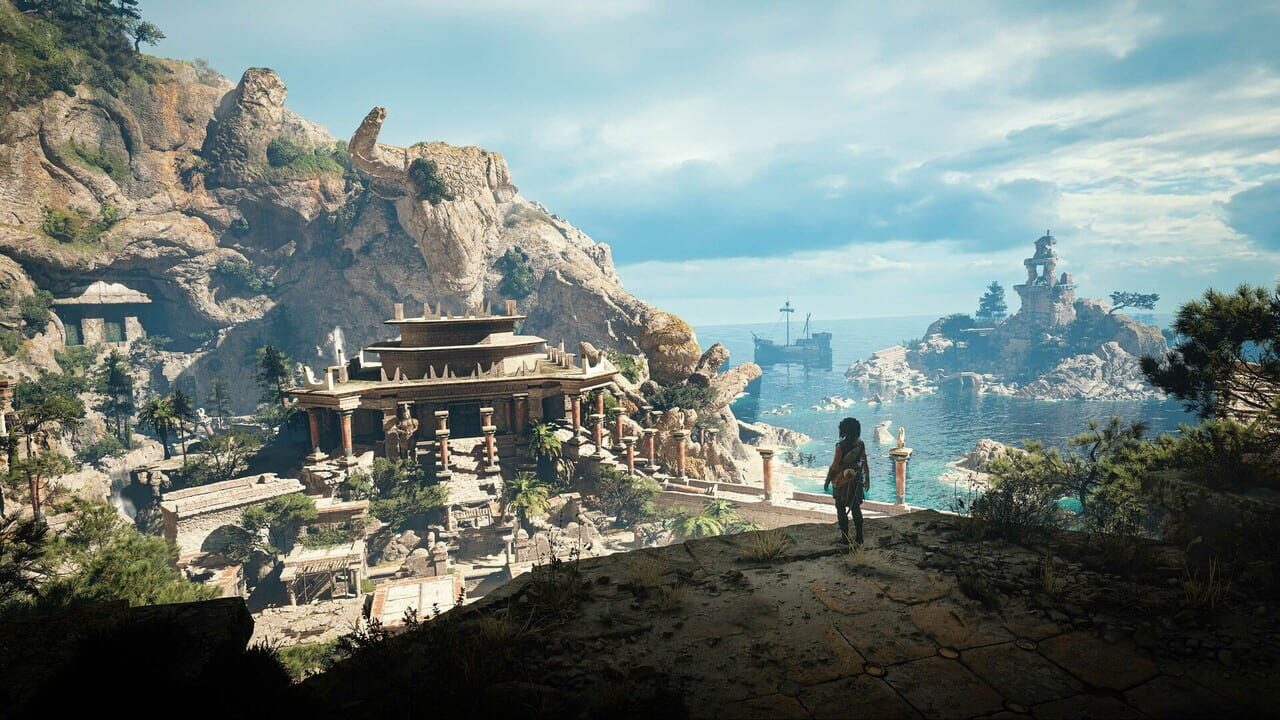
Resonance: A Plague Tale Legacy is a linear, story-driven action game rather than an open-world exploration title. You move forward through a narrative that begins with Sophia and her crew on a disastrous mission in Venice, then shifts to Minotaur’s Island after the crew is left behind. From there, the game alternates between exploring the island’s physical spaces and descending into the labyrinth, where you uncover the Minoan civilization and the origins of the Macula curse through both exploration and combat encounters.
The structure mirrors a modern Tomb Raider game: linear progression with room to search for materials and gear, but no branching paths that fundamentally alter the story. Early sections emphasize light stealth and platforming around the island’s surface. Once you enter the labyrinth proper, combat becomes the dominant focus, supported by puzzle-solving using a Minoan sphere that manipulates light. The story builds toward a natural conclusion around the 10–11 hour mark, then extends slightly longer than expected before landing on an emotional final note. Pacing is strong throughout, though the extended ending is the game’s only narrative stumble.
Step-by-Step Walkthrough
Understanding the Shift from Rats to Combat
The most critical thing to understand is that Resonance doesn’t carry forward the rat-evasion survival mechanics that defined A Plague Tale: Innocence and Requiem. In those games, you avoided rat swarms by using light, fire, and stealth—rats were an environmental threat as much as an enemy type. Resonance abandons this entirely. Instead, you play as Sophia, a character who’s faster, more physical, and comfortable fighting multiple enemies at once. This isn’t a downgrade; it’s a deliberate reinvention. The Macula curse still exists and drives the story, but it’s explored through ancient Minoan civilization and mechanical ruins rather than through rat swarm encounters.
The Venice Opening and Crew Dynamics
The game opens with Sophia and her crew undertaking a mission in Venice. This section establishes your crew as Sophia’s family and hooks you emotionally before everything goes wrong. The crew members are memorable despite limited screen time, though one mentor figure who trained Sophia feels underused. What matters here is that this opening creates stakes: Sophia leaves her crew behind to travel to Minotaur’s Island, a place that’s been calling to her since childhood. You don’t need to memorize crew names, but understand that Sophia is driven by both personal compulsion and the weight of abandoning people she cares about.
Entering the Labyrinth and Discovering the Minoan Era
Once you reach Minotaur’s Island and enter the labyrinth, the game’s identity crystallizes. The story shifts into exploring the Minoan era through the lens of the Theseus myth, and this is where Resonance becomes genuinely compelling. Massive stone structures, elaborate gears, and mechanical systems make the Minoan civilization feel like a real ancient culture rather than mythological window dressing. You’ll discover that the Minotaur and the Macula curse are intrinsically linked to Minoan history. Every descent into the labyrinth uncovers more about this connection, and the pacing is strong enough that you’ll want to see what comes next. This section is the emotional and narrative heart of the game.
Combat Encounters and Enemy Patterns
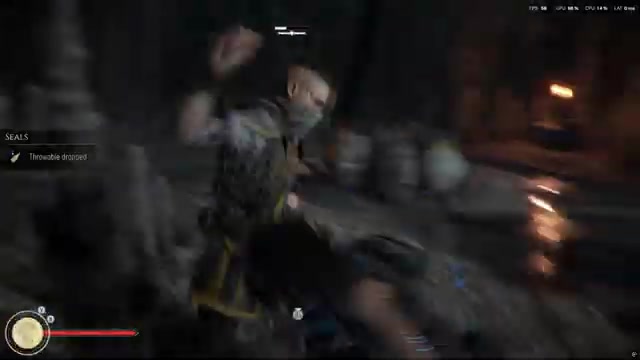
Combat in Resonance is direct and physical. Enemies aren’t damage sponges—fights move quickly, and when you take damage, it usually means you made a mistake rather than the game being unfair. The core mechanic involves attacking to wear down an enemy’s guard, then opening them to critical strikes. You can chain attacks and finishers across multiple targets, creating a flow similar to God of War Ragnarök’s close-range fighting or Batman: Arkham’s enemy-switching mechanics, though Resonance never feels derivative. Parries, blocks, and dodges are polished and responsive. On Normal difficulty, encounters aren’t especially challenging, and several become noticeably easier after you unlock upgrades. If you want more resistance, raise the difficulty to Hard or Nightmare without any penalty.
Stealth and Platforming Sections
Light stealth and platforming are secondary mechanics that break up combat. One stealth sequence inside the labyrinth stands out as potentially confusing—the game doesn’t clearly communicate which direction it wants you to go, which briefly disrupts the tension of an otherwise tense encounter. If you find yourself uncertain in a stealth section, look for environmental cues like gaps in walls, ladder placements, or areas where shadows are deepest. Platforming requires adjustment because Sophia has real momentum; jumping in a new direction without stopping first may send her slightly off course. This isn’t unresponsiveness, but traversal never feels quite as precise as the fighting. Take your time with jumps and don’t expect instant directional changes mid-air.
Puzzle Solving with the Minoan Sphere
Puzzles center around a Minoan sphere that manipulates light. They’re integrated into the environment naturally and serve the game’s atmosphere rather than feeling like arbitrary obstacles. You don’t need to master complex mechanics—the game guides you through solutions by placing the sphere, light sources, and interactive elements in ways that telegraph the intended solution. If you’re stuck on a puzzle, look for what’s illuminated and what’s in shadow, and consider how the sphere’s position might change that balance.
Progression and Upgrade Pacing
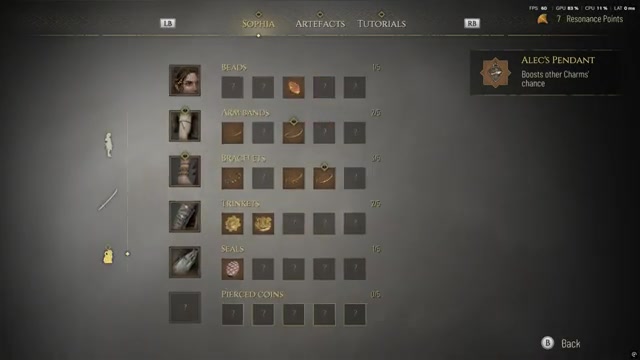
Sophia’s combat options don’t change much until you unlock new skills, and those upgrades feel too expensive relative to the materials you find naturally. The progression system is the game’s weaker element. You probably could have explored more thoroughly to find additional materials, but even then, progression felt slower than necessary. This means you’ll spend a significant portion of the game with a relatively limited moveset. Don’t expect dramatic power spikes; instead, expect steady, incremental improvements to attack speed, damage, and special abilities. If you feel underpowered, take time to explore areas you’ve already passed through—materials are hidden but findable.
The Final Act and Pacing Stumble
Around the 10–11 hour mark, the story builds toward a natural, satisfying conclusion. Then it continues a little longer than expected. The extended ending eventually recovers and lands on an emotional note, but the final stretch could have been tighter. Don’t be surprised if you feel the pacing shift here—it’s not a major problem, just a noticeable one. The game still ends well; it just takes a detour to get there.
Combat System Deep Dive
Guard Break and Critical Strike Flow
The core combat loop revolves around guard breaks. Attack an enemy repeatedly to wear down their guard meter. Once the guard breaks, the enemy enters a vulnerable state that opens them to critical strikes. These critical strikes are your primary damage source and often trigger finishing animations that look satisfying and deal significant damage. You can chain these attacks and finishers across multiple enemies by moving between them, similar to how Batman: Arkham games handle crowd control. The key isn’t to panic when facing multiple enemies—keep attacking, watch for guard breaks, and chain your finishers together.
Parries, Blocks, and Dodges
Defensive options are polished and responsive. Parries allow you to deflect incoming attacks and create brief openings for counterattacks. Blocks reduce damage but don’t stop the enemy’s momentum entirely. Dodges give you invulnerability frames and repositioning, making them essential for avoiding unblockable attacks or heavy hits. The game doesn’t force you to parry perfectly—you have enough defensive tools that you can play defensively if you prefer, or aggressively if you want to chain finishers. Experiment with all three to find your rhythm.
Difficulty and Upgrade Impact
On Normal difficulty, the game is forgiving enough that you can learn combat through trial and error. Encounters become noticeably easier after you unlock a few upgrades, so the early game is the most challenging part. If Normal feels too easy, jump to Hard or Nightmare immediately—there’s no penalty for changing difficulty mid-game. If you’re struggling, Narrative difficulty is available and removes pressure entirely, letting you focus on story and exploration.
Exploration and Material Gathering
Resonance is structured like a modern Tomb Raider game: linear and constantly moving forward, but with enough room to search for gear and materials. Most areas guide you naturally toward the next objective, but you can deviate to explore side passages, climb optional ledges, and search dead ends for resources. Materials fund your upgrade tree, so exploring thoroughly pays off in the long run. The game doesn’t penalize you for taking detours—there are no time limits or timed sections that punish exploration.
Materials are hidden but not obscurely so. If an area looks like it might contain something, investigate. Ledges that seem optional often lead to small rooms or alcoves with gear. Dead ends sometimes hide materials in corners or on elevated surfaces. If you feel progression is too slow, spend 30 minutes backtracking through earlier sections—you’ll likely find enough materials to unlock a skill or two.
Visuals, Sound, and Technical Performance
Art Direction and Atmosphere
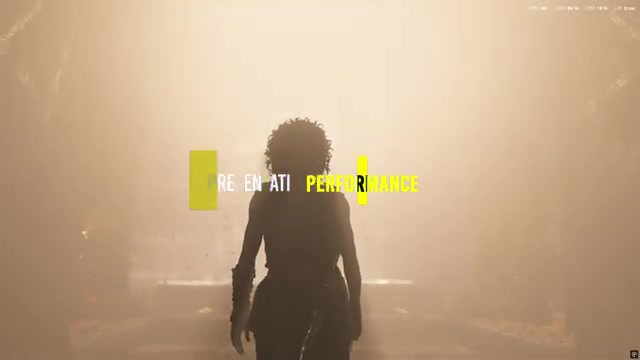
Resonance is a strong-looking game that aims for realism without chasing hyperrealism. The labyrinth is the visual standout: deep shadows, strange lights, and enormous mechanical ruins make every chamber feel ancient and unsettling. The Minoan aesthetic is cohesive and memorable. Environments support the game’s atmosphere rather than just looking pretty—the labyrinth genuinely feels like a place that’s consumed Sophia, as the story suggests.
Sound Design and Voice Acting
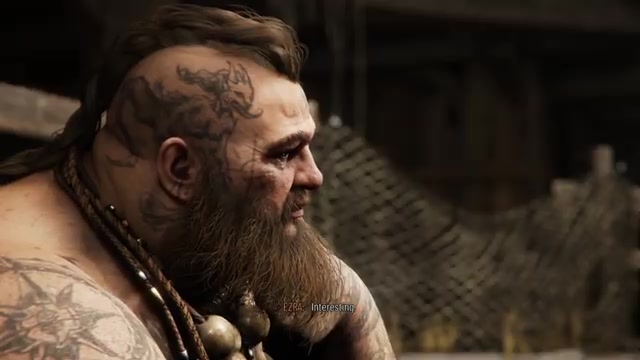
The soundtrack doesn’t stick as much as you might expect from a Plague Tale game, but the sound design is excellent. The creature’s attacks and the echoes through the labyrinth create a genuinely creepy atmosphere, especially during combat encounters in tight spaces. Voice acting is strong across the board, with Sophia, the Minoan king, and even brief warrior characters delivering convincing performances. Lip-syncing was noticeably out of alignment in some scenes during the review period, though the developer identified this as a known issue to be fixed by launch.
Technical Issues
During the PC playthrough, the reviewer became completely stuck in the environment twice and had to restart the game both times to fix it. This is a rare occurrence, but it’s worth noting. Beyond environmental clipping, the main technical issue was lip-syncing misalignment, which was already flagged for correction. Performance was stable otherwise.
Troubleshooting & Common Mistakes
- Expecting rat swarms as a primary threat: Rats don’t function as environmental hazards in Resonance. Combat is the primary threat, not evasion. Adjust your expectations from earlier Plague Tale games.
- Feeling underpowered early on: Progression is slower than ideal, but materials are findable through exploration. If you feel weak, backtrack and search areas thoroughly before pushing forward.
- Struggling with platforming precision: Sophia has momentum; don’t expect instant directional changes mid-air. Stop before jumping in a new direction, or accept that you’ll land slightly off-course and adjust.
- Panicking during multi-enemy fights: Don’t try to kill one enemy completely before moving to the next. Attack, look for guard breaks, chain finishers across targets. Keep moving and stay calm.
- Getting lost in the labyrinth stealth section: Look for environmental cues—gaps in walls, ladder placements, shadows. The game doesn’t always telegraph the route clearly, but it’s there.
- Normal difficulty feeling too easy: Raise the difficulty to Hard or Nightmare immediately. There’s no penalty for changing mid-game, and the upgrade scaling makes Normal trivial quickly.
- Becoming stuck in the environment: If you clip through a wall or floor, restart the game. This is rare but does happen. Save frequently to minimize progress loss.
- Confused by the extended ending: The story builds to a natural conclusion around hour 10–11, then continues. This is intentional but paces slightly awkwardly. Stick with it—the final emotional beat is worth it.
Advanced Tips & Time Saves
Resonance is a story-driven linear game, so there aren’t major sequence breaks or time-save exploits. However, a few optimization tips emerge from understanding the game’s design:
- Explore early, upgrade late: Gather materials throughout the first half of the game before spending them on upgrades. This gives you a full picture of what’s available and lets you prioritize skills that match your playstyle.
- Parry-focused builds work well: If you prefer defensive play, invest in parry upgrades early. Parries create consistent openings without forcing you to commit to long attack chains.
- Don’t hoard materials for a “perfect” build: Upgrades feel expensive, so you might be tempted to save for a specific skill. Spend as you go. The marginal benefit of any single upgrade is noticeable enough that you’ll feel progression immediately.
- Use stealth to thin crowds: In encounters where stealth is possible, use it to eliminate one or two enemies before combat starts. This reduces the number of enemies you face in direct combat, making fights significantly easier.
- Light manipulation puzzles have one solution: If you’re stuck on a puzzle, look at what’s illuminated and what’s shadowed. Move the Minoan sphere and watch how light and shadow change. The solution is always visible once you understand the lighting state.
FAQ
Do rats return as a threat in Resonance: A Plague Tale Legacy?
No, rats don’t appear as a primary threat mechanic in Resonance: A Plague Tale Legacy. The game shifts entirely away from the rat-evasion survival gameplay of earlier Plague Tale games. Instead, Sophia engages in direct melee combat with human and mythological enemies. The Macula curse is explored through ancient Minoan history and mechanical systems rather than through rat swarms.
Is Resonance: A Plague Tale Legacy a prequel or sequel to earlier Plague Tale games?
Resonance is a prequel set 15 years before A Plague Tale: Requiem. It follows a younger Sophia before she became the sea captain who aids Amicia and Hugo. The game explores the origins of the Macula curse through Minoan civilization and mythology, providing context for the rat plagues in the later timeline.
How long is Resonance: A Plague Tale Legacy?
Resonance takes approximately 12 hours to complete a single story run. The pacing is strong throughout, though the final act extends slightly longer than expected before ending on an emotional note. Playtime may vary depending on how thoroughly you explore for materials and how much you struggle with combat encounters.
What difficulty should I play on if I’m new to the series?
Start on Normal difficulty. The game isn’t especially challenging on Normal, and you can raise the difficulty at any time without penalty. If Normal feels too easy after a few upgrades, jump to Hard or Nightmare. If you want to focus purely on story and exploration, Narrative difficulty is available. You can also lower difficulty if you’re struggling—there’s no shame in adjusting.
Do I need to play earlier Plague Tale games to understand Resonance?
No. Resonance is a standalone story that works perfectly well on its own. However, familiarity with the earlier games—particularly knowledge of the Macula curse and the rat plagues—will deepen your appreciation of how Resonance explores the curse’s ancient origins. You’ll also recognize Sophia as a supporting character from Requiem, which adds a layer of context.
Is Resonance: A Plague Tale Legacy more of an action game than a survival game?
Yes. Resonance is fundamentally an action game with light stealth, platforming, and puzzle-solving elements. It retains the dark, tragic atmosphere of earlier Plague Tale games, but replaces rat-evasion survival with direct melee combat. This is a deliberate reinvention of the franchise, not a departure from its core identity.
Checklist
0 of 12
Source & credit
This guide draws on the excellent video walkthrough by The Grimoire — watch it for the full visual run-through, and give the creator your view: