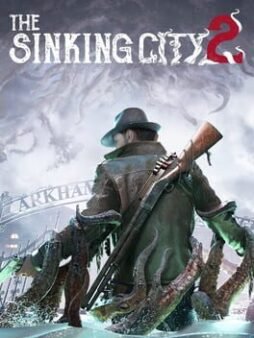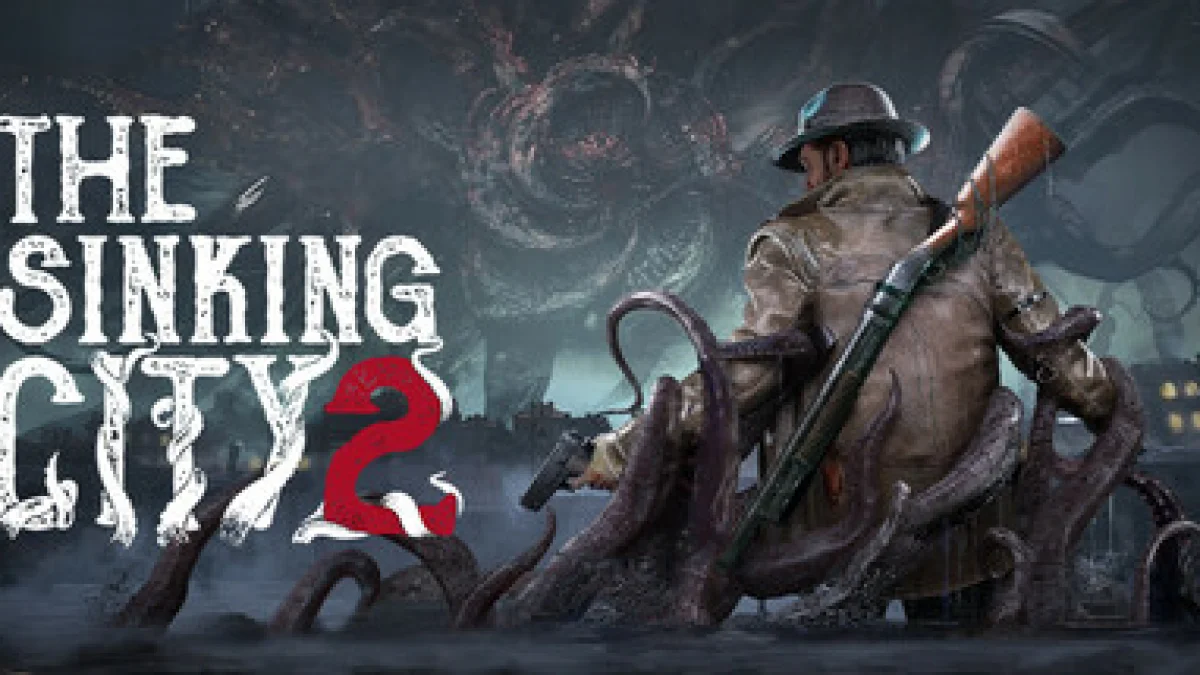



The Sinking City 2 represents a pretty substantial change of direction for Frogwares. While the original leaned heavily on investigating a city consumed by supernatural problems, the sequel puts survival horror first. There are still clues to collect and mysteries to solve, but that work now helps you survive the next encounter rather than serving as the primary reason you’re here. With a standalone story and a different protagonist, this isn’t a continuation that gradually introduces some new ideas. Frogwares has changed the priorities from the outset.
That distinction matters. Making a better survival horror game and making the sequel existing fans wanted aren’t necessarily the same thing. There’s plenty of recognizable genre material here, from limited ammunition and locked doors to safe rooms that provide a welcome break from whatever horrible thing is currently wandering around outside. The more interesting part is just how investigation fits into that structure.
Sometimes, that means following a clue to an upgrade. Other times, it means listening to a few brains in jars argue about who can be trusted. It’s still The Sinking City, after all.
A relationship with some complications
This time around, the story follows occult adventurer Calvin Rafferty and his partner, Faye Bennett. Their exploration of things better left alone goes wrong, leaving Faye in a twilight state and Calvin determined to bring her back. Unfortunately, the setting for that rescue is Arkham, where a supernatural flood has made the already questionable decision to remain in town considerably worse.
It’s an effective premise for this kind of game because it gives the protagonist a reason to keep going when leaving would otherwise seem like the obvious solution. Calvin isn’t just investigating an interesting problem. The person he cares about is caught up in it. There’s a clear motivation beneath all the strange imagery and occult terminology, which helps keep the setup from becoming an exercise in explaining how thoroughly doomed everyone is.
There’s also a useful tension in putting a relationship at the center of cosmic horror. These stories tend to deal in forces that make individual lives seem insignificant. Calvin’s motivation is essentially the opposite: this particular life matters enough to keep pushing.
Arkham’s other inhabitants explore that same conflict on a smaller scale. Ma Fishface describes the sea calling to her while acknowledging that surrendering to it would mean becoming something she doesn’t want to be. It’s a small exchange, but an interesting one. The supernatural isn’t just a threat coming through the door. It’s something a character can want and fear at the same time.
That’s a more compelling use of the setting than simply attaching tentacles to everything. Strange creatures are expected. Giving those creatures something recognizable to lose makes them more than another unpleasant thing standing between you and the next objective.
Please remain deceased
The Slither add a complication to what would otherwise be a straightforward encounter with an animated corpse: dropping the body doesn’t necessarily eliminate what’s controlling it. Finishing the exposed parasite with a stomp prevents it from bringing another corpse into the fight, reminding me a bit of the Necromorph from Dead Space. Killing the immediate threat and making the area safe aren’t always the same action, though.
That distinction gives positioning a purpose beyond keeping your distance. Moving in to finish something off commits you to a particular spot, potentially while other enemies are still closing in. There’s a decision to make after the body falls, rather than an automatic invitation to reload.
It’s a more interesting demand than simply giving an enemy a larger health bar. The threat changes during the encounter, and the action that saves ammunition can also require getting uncomfortably close to something you were just trying to keep away from.
Glowing growths on possessed enemies provide weak points to target, while focused aiming helps make individual shots count. Punches can create breathing room, dodges offer a way out of an incoming attack, and environmental hazards provide another option beyond spending ammunition. These tools make more sense together than they do in isolation. Shooting isn’t always the entire solution, and knowing when to move in matters as much as knowing when to back away.
Avoiding an encounter is also a legitimate option. You don’t have to treat every enemy as a problem that needs solving immediately.
That’s the more interesting side of resource management. The question isn’t simply whether you have enough bullets to win. It’s whether winning this particular fight is worth what you’ll spend. A survival-horror game needs to give you reasons to use your weapons, but leaving something unpleasant behind should sometimes be the smarter decision.
There’s a useful relationship between that choice and the level layout. Taking another route, opening a shortcut, or retreating to prepare gives exploration a role in combat without requiring every discovery to be a new weapon. Learning the area can change which fights you need to take.
The combat’s most distinctive idea, though, remains that extra step between bringing an enemy down and actually being finished with it. A body on the floor isn’t much of a relief when something is about to crawl out of it.
Homework with practical applications
Investigation remains part of progression. Connecting related clues and completing optional investigations can provide rewards such as Talent Points and Dream Essence, while talents are managed at a table in the safe room. Reading documents isn’t solely a way to collect background information. It contributes to how Calvin handles the dangers outside.
That’s a sensible connection between Frogwares’ investigative background and the sequel’s survival-horror focus. A player who explores carefully has another way to prepare rather than relying entirely on the next ammunition pickup.
Connecting the evidence itself is more straightforward than the detective premise might suggest, however. Related clues share matching symbols, and completing a group awards an upgrade point. That makes the system easy to follow, but it also limits how much of the deduction belongs to the player. Recognizing which pieces the game has marked as related isn’t quite the same as constructing an explanation yourself.
This is where the change in direction becomes particularly apparent. The investigation still has a purpose, but the process of solving something isn’t always the main attraction. Sometimes, it’s closer to organizing the information you’ve collected so you can claim the practical benefit.
The stronger opportunities come from the situations surrounding those clues.
At Akeley Memorial Hospital, an optional Wireless Room contains three talking brains in jars. Each offers information relevant to a frequency puzzle, including claims about whether the others can be trusted. Following that thread yields Dream Essence, and the room also contains an item used to open a crate elsewhere for a shotgun melee upgrade.
Three disembodied brains making a relatively ordinary logic problem unnecessarily unsettling is a pretty good use of a horror setting. The underlying puzzle doesn’t need to reinvent anything when the circumstances give it character.
More importantly, the reward connects the detour to the rest of the game. You aren’t stepping away from survival to do unrelated busywork. You’re investigating something bizarre that can leave you better equipped afterward. Optional cases can also provide supplies and safer routes, giving curiosity a value beyond filling out a collection of documents.
I like that connection more than the simplicity of the evidence matching itself. There’s a clear reason to engage with the mysteries, even when assembling the clues doesn’t demand much interpretation. The discoveries matter because of what they let you do next.
That doesn’t erase the trade-off for fans of the first game. An optional route to an upgrade serves a different purpose from an investigation that drives the main adventure. Both approaches can be worthwhile, but calling them the same experience would miss why this change is significant.
A familiar face
Akeley Memorial Hospital takes a familiar survival-horror idea—finding the right key for the right door—and makes it considerably more unpleasant. Its Mirror Doors require collected faces to open.
Apparently, an employee badge wasn’t going to cut it.
Underneath the grotesque presentation, it’s still a recognizable progression system: discover an obstacle, find what opens it, and work out which previously inaccessible rooms are now worth revisiting. The larger objective involves gathering symbols to charge a prism at three stations, making the hospital itself as important as the individual puzzles.
Unlockable connections between rooms, yards, and safe areas turn navigation into part of the challenge rather than just the space between objectives. There’s also a pursuing creature that you can’t simply shoot your way past. Once it enters the equation, knowing the building becomes useful for something more immediate than collecting another clue: finding a way out.
That’s a stronger reason to learn a level than wanting to clear every marker from a map. Recognizing a room means recognizing your options. Can you get back to somewhere safe? Is there another route around the threat? Does that door actually lead anywhere useful, or have you just committed to a very unfortunate dead end?
Those are the kinds of questions that make exploration and horror work together. The same route can serve a different purpose depending on what’s following you, what you’re carrying, and whether you’ve opened the connection that makes getting away easier.
Preparation gives those decisions another dimension. Inventory expansions create more carrying capacity, while Night Ore recharges the Night Shade’s one-use protection against a fatal blow. Neither removes the need to think about an encounter, but both give exploration a practical purpose beyond finding the item that advances the story. There’s a meaningful distinction between barely having what you need and having something to fall back on when a plan goes wrong.
The opening neighborhoods establish that relationship on a smaller scale. Working through the apartments around the Allen Radio Store, opening a more direct route, and locating the nearby safe room gives the area a shape beyond its immediate objective. Storage and a place to save turn it into somewhere to prepare, not just another collection of rooms to empty.
There’s a limit to how much novelty a strange-looking lock provides, of course. Replacing a key with a face doesn’t automatically make finding it more interesting. The important part is what changes once you have it. A worthwhile return trip offers a new route, a useful reward, or a different decision.
Otherwise, it’s still backtracking. Just with considerably more questionable things in your pockets.
A sequel with different priorities
The strongest argument for The Sinking City 2 is the relationship between its systems. The radio-store route connects observation, exploration, and danger. The hospital gives optional investigation a practical reward. The Slither make attention to an enemy’s condition matter beyond the moment its body hits the floor. These aren’t entirely separate features competing for attention. They give one another a purpose.
That’s also where the sequel distinguishes itself more effectively than through the setting alone. A flooded city full of unnatural creatures provides plenty of material for horror, but the more interesting question is what you do there. Following a strange lead because it might help you survive gives investigation a place in the new structure, even if that place is smaller than before.
The compromise is that the detective work is less demanding and less central. Matching marked evidence isn’t a substitute for working through a difficult mystery, and players who valued the original primarily for its investigations have a legitimate reason to be disappointed by that shift. More combat doesn’t automatically make a sequel better, just as retaining every old system wouldn’t automatically make it more worthwhile.
I don’t need every sequel to offer a larger version of the same experience. There’s value in changing direction when the new ideas have a reason to exist. Here, the most convincing reason is that learning more about Arkham can change how you survive it. An optional room isn’t just another room when its puzzle leads to an upgrade, and a shortcut isn’t just a convenience when it gets you away from something you can’t kill.
The Sinking City 2 makes its case as a survival-horror game with an investigative streak, not a detective game with more shooting. Its familiar progression and simplified deductions keep that distinction from being an entirely positive one, but the connection between curiosity and preparation gives the new direction something worthwhile.
You’re still looking for answers. Now, there’s a more immediate reason to hope you find them before whatever is outside finds you.