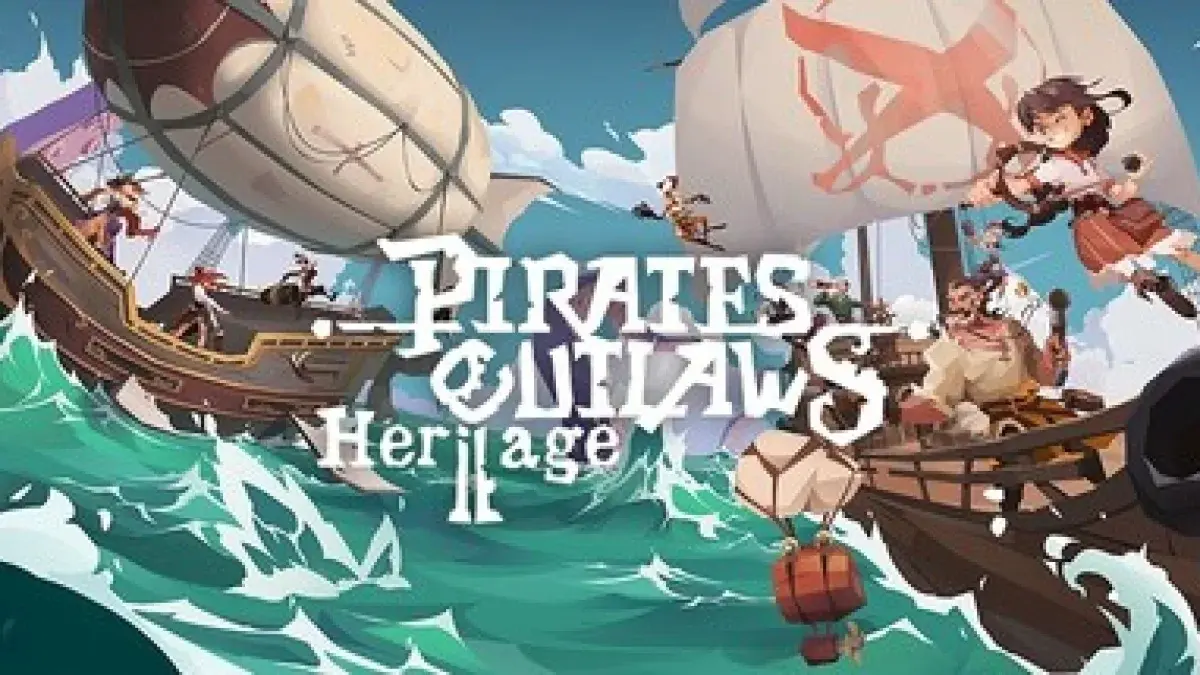

Pirates Outlaws 2: Heritage puts you in situations where your ship’s hull is splintering, your crew is down to three scurvy-ridden sailors, and you’re staring at a hand of cards that could either salvage the run or send you to Davy Jones’ locker. It’s in these desperate moments that Fabled Game Studio’s sequel shows its hand, and reveals both its ambitions and its growing pains. Now available in Steam Early Access , Heritage attempts to expand everything that made the original Pirates Outlaws a cult favorite while charting new waters with crew management and ship combat systems.
Having spent considerable time with the Early Access build, I can say this much with confidence: the foundation is solid. But the ship still needs some quality time in dry dock. For fans of the original or anyone curious about a pirate-themed alternative to genre staples, there’s enough here to warrant boarding—just don’t expect smooth sailing.
This Ghost of Slay the Spire’s Shadow
When the original Pirates Outlaws launched on mobile platforms back in 2019, it carved out a specific niche for itself. While Slay the Spire had already defined what a roguelike deckbuilder could be, Fabled Game Studio’s offering positioned itself as the more accessible alternative. A game you could pick up on your phone during a commute without needing a spreadsheet to track card synergies. That accessibility, combined with its distinctive nautical theming, helped it build a dedicated following before its 2020 PC release.
Here, the landscape Heritage launches into looks dramatically different. Balatro’s explosive success in 2024 proved there’s still massive appetite for innovation in the roguelike deckbuilder space, but it also raised the bar for what players expect from new entries. Monster Train, Inscryption, and countless other titles have all pushed the genre in different directions. The market isn’t just more crowded than it was in 2019. And it’s more sophisticated, with players who’ve logged hundreds of hours in competing titles and can spot derivative design from a nautical mile away.
This context matters because Heritage can’t simply coast on its pirate theme anymore. The question isn’t whether you can build a competent Slay the Spire-like with ships and cutlasses—it’s whether you can offer something meaningfully different. Based on my time with the Early Access build, Fabled Game Studio clearly understands this challenge, even if their solutions don’t always land.
All Hands on Deck: The New Crew System
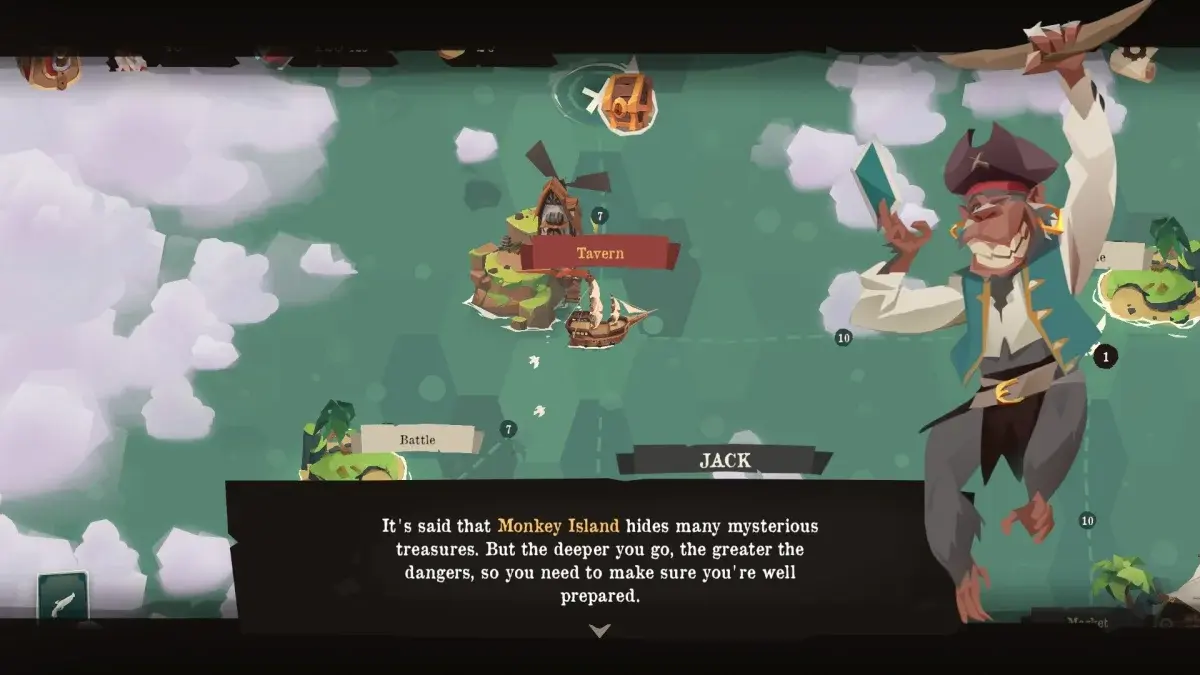
The most significant addition to Heritage is its expanded crew management system, and it fundamentally changes how runs play out compared to the original. Crew members now function as persistent upgrades that directly modify your captain’s card pool and capabilities. Recruit a grizzled gunner, and suddenly your cannon-focused cards hit harder. Pick up a superstitious navigator, and you’ll unlock event options that weren’t available before. It’s a layer of meta-progression within each run that adds meaningful decision points beyond simply “which card do I draft?”
Ship combat adds another consideration entirely. Your vessel has hull integrity, and taking damage during naval encounters carries consequences that persist beyond individual battles. Positioning matters—do you close distance for a boarding action, or hang back and rely on your cannons? The interplay between managing your ship’s health, keeping your crew alive, and building a coherent deck creates genuine strategic tension. When it clicks, you feel like you’re actually commanding a pirate vessel rather than just playing cards with a nautical skin.
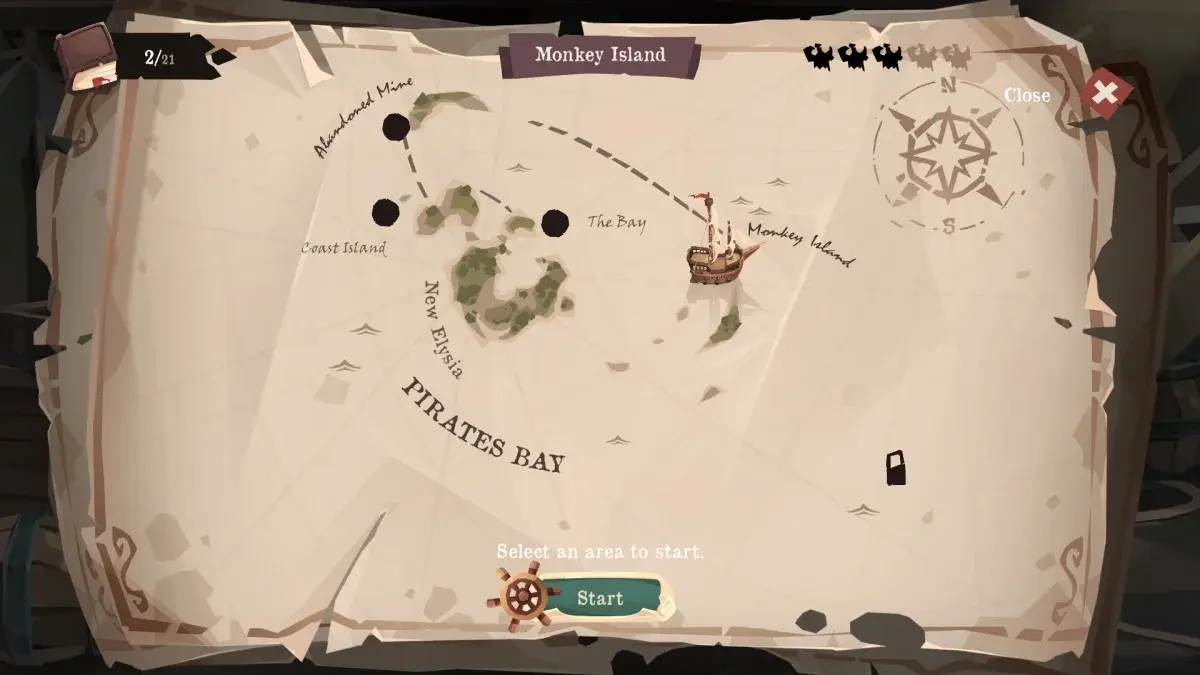
The flip side is that sometimes this tension tips into decision paralysis. There are moments when you’re juggling crew assignments, ship repairs, card drafting, and route planning simultaneously, and the game doesn’t always communicate which choice matters most. I’ve had runs where I neglected my hull integrity chasing a powerful card synergy, only to realize too late that my ship was one bad event away from sinking. That’s compelling design when it feels like a learning experience. But less so when the information hierarchy made it hard to track in the first place.
Captains of Industry
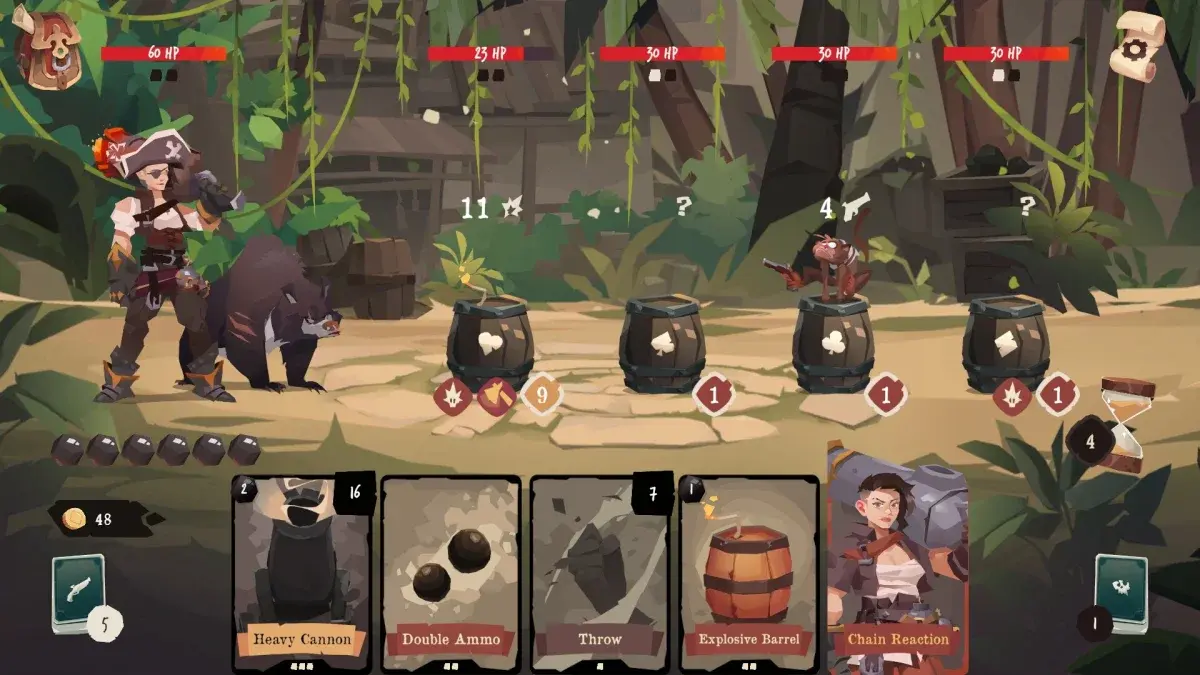
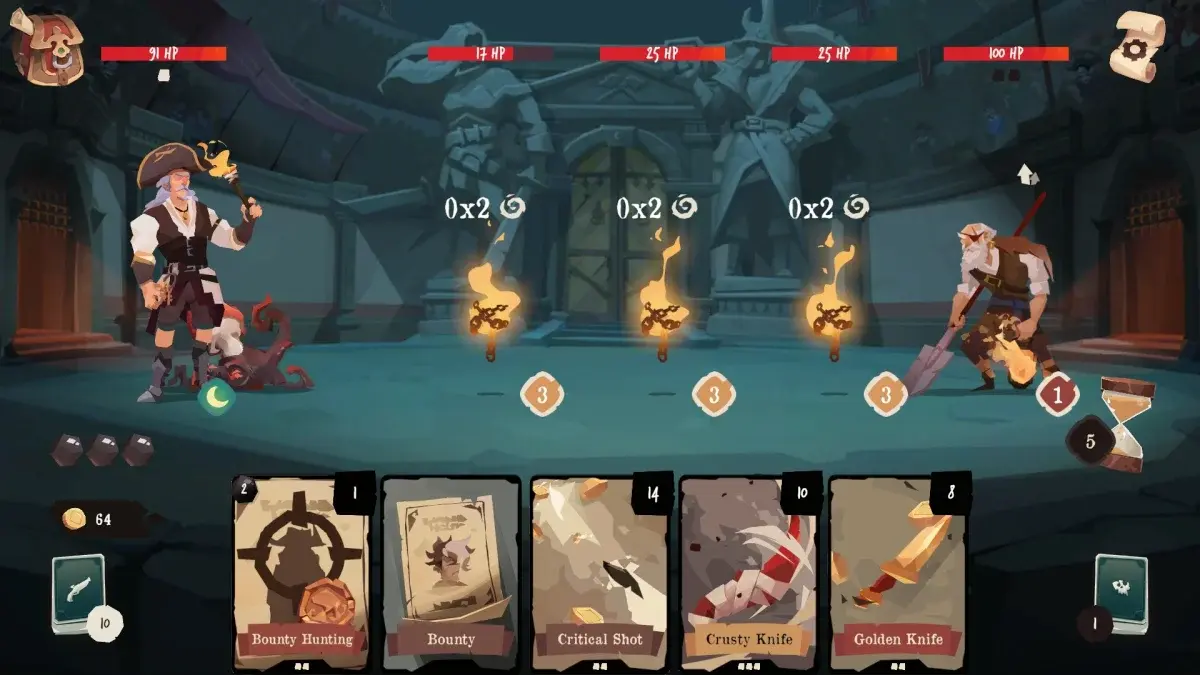
Heritage offers multiple playable captains at Early Access launch, each bringing distinct card pools and abilities that genuinely change how you approach runs. One captain excels at aggressive boarding tactics, rewarding you for closing distance and overwhelming enemies with crew-based attacks. Another leans into defensive cannon builds, keeping enemies at arm’s length while whittling them down with ranged fire. The variety here is meaningful, and switching captains doesn’t just change your starting cards, it changes your entire strategic approach.
Card synergies feel noticeably more pronounced than in the original game. Where Pirates Outlaws sometimes felt like you were assembling a functional deck from whatever showed up, Heritage rewards committed strategies more consistently. Build around a specific crew composition, and you’ll find cards that amplify that approach. The dopamine hit of discovering a powerful combo feels earned rather than accidental, which is exactly what genre veterans are looking for.
That said, balance is clearly still in flux, which is as you’d expect from Early Access. Some captains feel noticeably stronger than others in the current build, and certain card combinations border on trivializing encounters that should be challenging. This isn’t necessarily a problem for a game in active development; balance passes are standard Early Access fare. But if you’re the type who gets frustrated when the meta feels solved before launch, you might want to wait for a few patches to shake things out.
The Early Access Barnacles
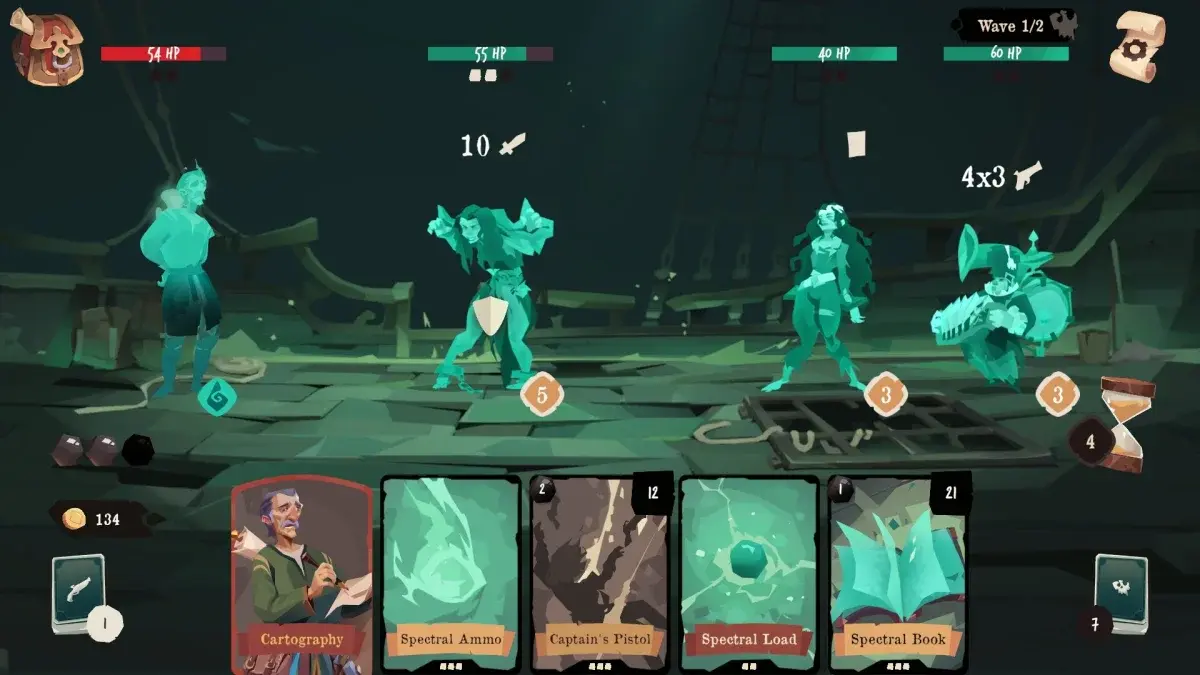
Now let’s talk about what needs work, because there’s no point pretending an Early Access title is a finished product. The most immediate issue is UI clutter. When you’re managing crew, cards, ship status, and navigation options simultaneously, the interface struggles to present information cleanly. Important details get buried, and I’ve made suboptimal choices simply because I didn’t notice a relevant stat tucked into a corner of the screen. Fabled Game Studio has room to streamline here, and I suspect community feedback will push them in that direction quickly.
Run variety also suffers from what feels like a limited event pool. By my tenth run, I’d seen the same merchant encounters, the same random events, and the same enemy configurations multiple times. The procedural generation keeps individual battles fresh, but the connective tissue between them starts feeling repetitive faster than I’d like. The original Pirates Outlaws addressed this through steady content updates, and Heritage will need the same treatment to maintain long-term engagement.
Performance is another concern, though a more forgivable one. Larger battles with multiple crew members and complex card effects can cause noticeable hitches, particularly when visual effects stack up. Nothing game-breaking in my experience, but enough to disrupt the flow during tense moments. Optimization is standard Early Access work, and I’d expect this to improve significantly before 1.0.
Message in a Bottle: The Roadmap Question
The fundamental question for any Early Access title is whether the foundation can support the developer’s ambitions. On that front, Heritage passes the test. The core gameplay loop, meaning the interplay between deckbuilding, crew management, and ship combat, is engaging enough that I kept launching “just one more run” even when writing notes for this piece. That’s not nothing. The bones are good; they just need flesh.
The original Pirates Outlaws earned its fanbase through consistent post-launch support, and Heritage will need the same commitment. Fabled Game Studio has a track record here, which counts for something. But the genre has evolved since 2019, and players have more options than ever. Steady content updates aren’t just nice to have. They’re table stakes for keeping a deckbuilder relevant in a post-Balatro world.
Community feedback during Early Access will shape whether Heritage becomes the definitive pirate deckbuilder or just another entry in an overcrowded genre. The good news is that Fabled Game Studio seems to be listening, as bug fixes and balance adjustments have already started rolling out based on player reports. The question is whether they can expand the event pool, polish the UI, and refine balance quickly enough to maintain momentum.
Remember that desperate moment from my opening? That run ended with me scraping through by a single hit point, my crew decimated but my captain somehow still standing. It felt earned, like a genuine victory pulled from the jaws of defeat. Heritage delivers those moments consistently enough to recommend for genre enthusiasts willing to weather Early Access storms. But if you prefer your voyages fully charted before departure, this one’s worth wishlisting until calmer seas arrive.