
I just finished haggling with a skeleton over the price of a cursed amulet I pulled from the 47th floor of a dungeon that, according to the game, doesn’t end. Days into Moonlighter 2’s Early Access launch, I’ve stopped asking when I’ll see the bottom and started wondering if this was the plan the whole time. Digital Sun’s sequel to their 2018 indie hit dropped on Steam Early Access last month, and after sinking more than 20 hours into The Endless Vault, I’ve got some thoughts. Mostly positive, occasionally frustrated, and perpetually curious about what’s waiting on the next floor.
This First Night Back in Rynoka
Seven years is a long time in gaming, and returning to Rynoka feels like visiting your hometown after college. It’s got familiar bones, but everything’s gotten a fresh coat of paint. The sequel introduces a new protagonist connected to Will from the original, though Digital Sun has kept the specifics of that relationship relatively close to the chest in Early Access. What I can say is that returning you’ll find plenty of callbacks and continuity, while newcomers won’t feel lost in a sea of references they don’t understand.
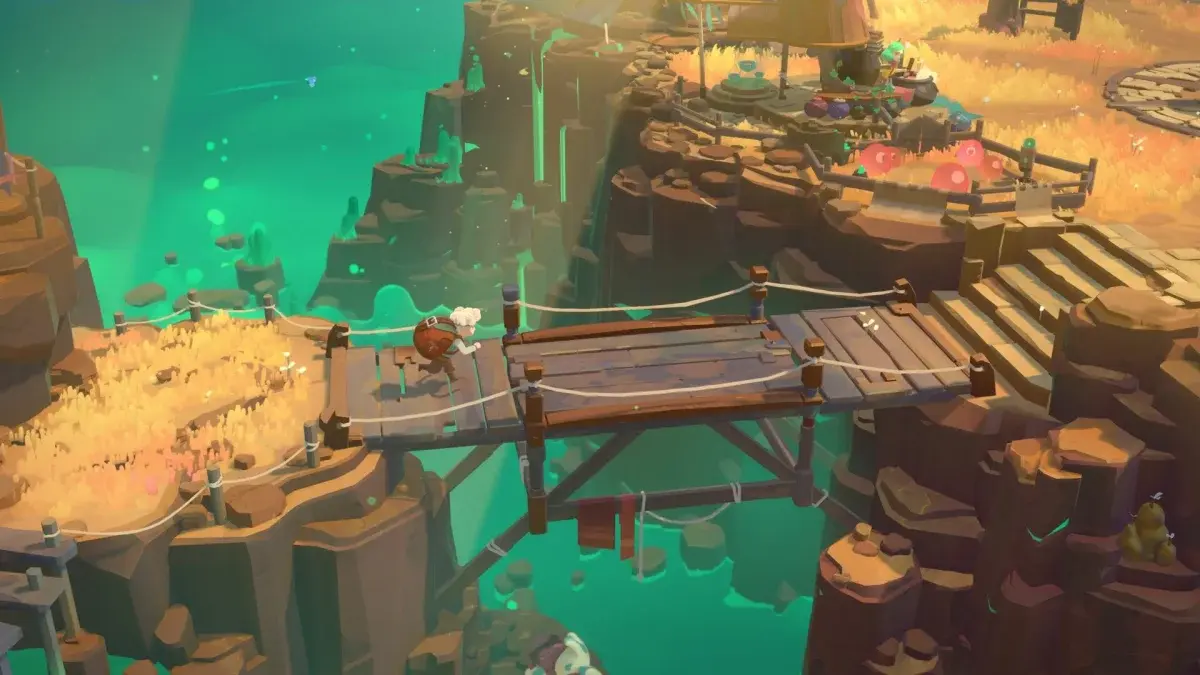
In the sequel, the town itself has expanded considerably. Where the original Moonlighter gave you a shop and a handful of neighboring businesses, The Endless Vault presents Rynoka as a living community with districts to develop and residents whose needs extend beyond “sell me cool stuff.” The shop management tutorial walks you through the basics quickly, trusting that players either remember the original or can pick up the intuitive systems.
Within an hour, I was back to the satisfying rhythm of dungeon-dive-by-night, capitalism-by-day that made the first game click. The biggest takeaway early on was Digital Sun’s confidence. They’re not trying to reinvent the wheel or chase trends—this is unmistakably Moonlighter, just more of it and better tuned. The pixel art remains gorgeous, the music still slaps, and the core loop still scratches that particular itch that sits somewhere between Stardew Valley’s cozy management and Hades’ “one more run” compulsion.
Down the Rabbit Hole (Floor 30 and Counting)
The titular Endless Vault is the sequel’s biggest gamble. The original Moonlighter’s dungeons were handcrafted, which meant they were polished but finite. In turn, a common criticism was that late-game runs started feeling repetitive once you’d memorized room layouts. Digital Sun’s solution is procedural generation cranked up to theoretical infinity, and the results are genuinely impressive, if occasionally uneven.
In practice, the procedural generation delivers variety that the original couldn’t match. Room configurations feel distinct enough that I rarely experience that deflating “oh, this room again” sensation, even 30 floors deep. The Vault introduces themed biomes that shift as you descend, each with its own enemy types, hazards, and aesthetic flavor. Creative Director Javier Giménez described the design philosophy as “endless but never aimless,” and for the most part, that holds true—there’s always something to chase, whether it’s a new crafting material, a mini-boss encounter, or a mysterious NPC vendor who appears randomly with bizarre wares.
That said, patterns do emerge. Around floor 25, I started recognizing the building blocks the algorithm was shuffling, and some room types repeat with variations that feel more like palette swaps than genuine surprises. This isn’t a dealbreaker, as no procedural system achieves true randomness, but it does mean the “endless” promise comes with an asterisk. The question for the full release will be whether Digital Sun can keep expanding the pool of elements the generator draws from, keeping that sense of discovery alive past the 50-hour mark.
The Price of Everything
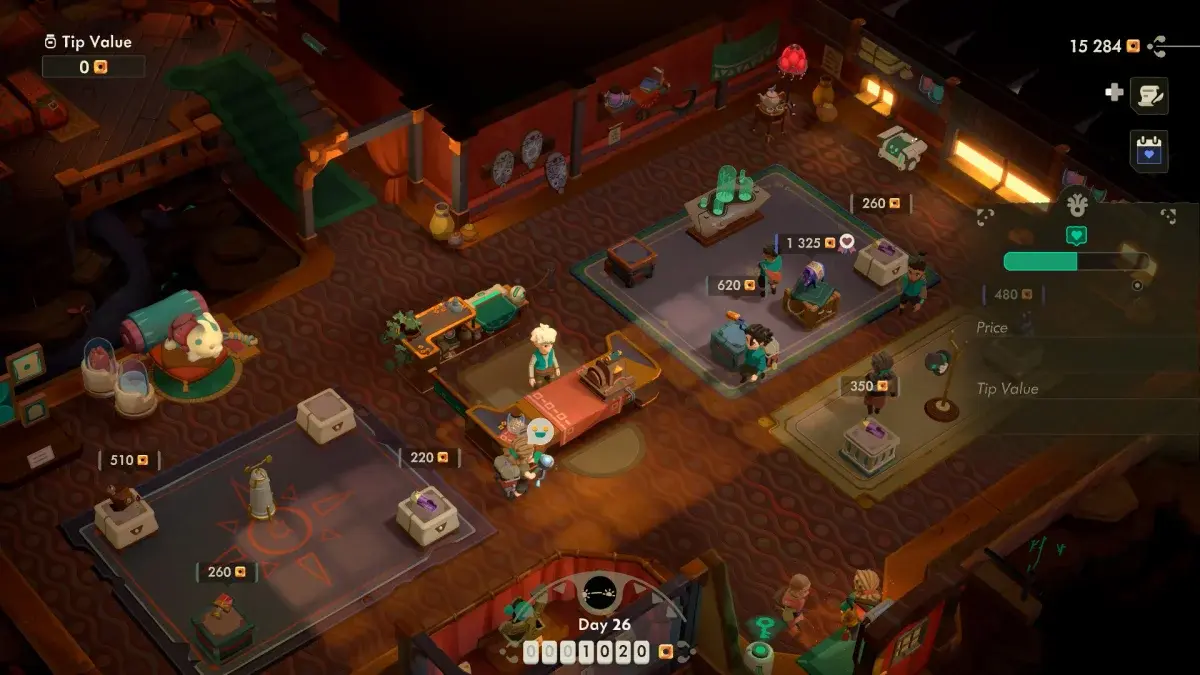
If the dungeon crawling is Moonlighter 2’s heart, the shop management is its soul, and Digital Sun has clearly listened to feedback about wanting more depth here. New customer types add wrinkles to pricing strategy. Haggle-happy merchants will try to talk you down, while collectors will pay premiums for complete sets. The haggling system itself is a welcome addition, turning sales into mini-negotiations rather than simple “accept price or don’t” interactions.
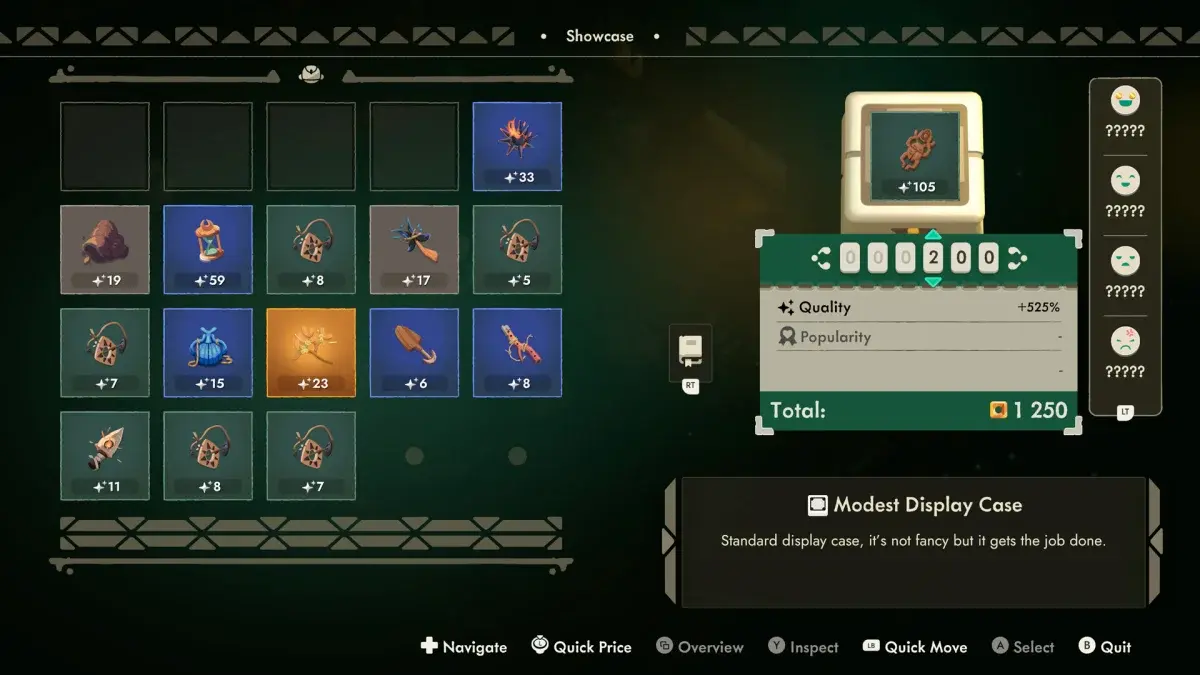
The endless loot stream from the Vault creates interesting economic pressure. In the original, rare items stayed rare because dungeon layouts were fixed. As such, nothing is truly scarce. Dive deep enough, and you’ll find more of everything. This shifts the shop meta from “hoard rare items” to “optimize turnover and pricing curves.” I found myself thinking more about market timing and customer management than I ever did in the first game, which is either a feature or a bug depending on whether you came to Moonlighter for the fighting or the finances.
Town development ties everything together. Investing profits into Rynoka’s infrastructure unlocks new shop upgrades, customer types, and crafting options, creating a progression loop that makes every successful sale feel meaningful. The town grows visibly as you invest, with new buildings appearing and NPCs commenting on your contributions. It’s not necessarily new, as plenty of games have done the “invest in your hub” thing, but it’s implemented with enough charm that I genuinely cared about seeing Rynoka thrive.
Combat That Finally Has Teeth
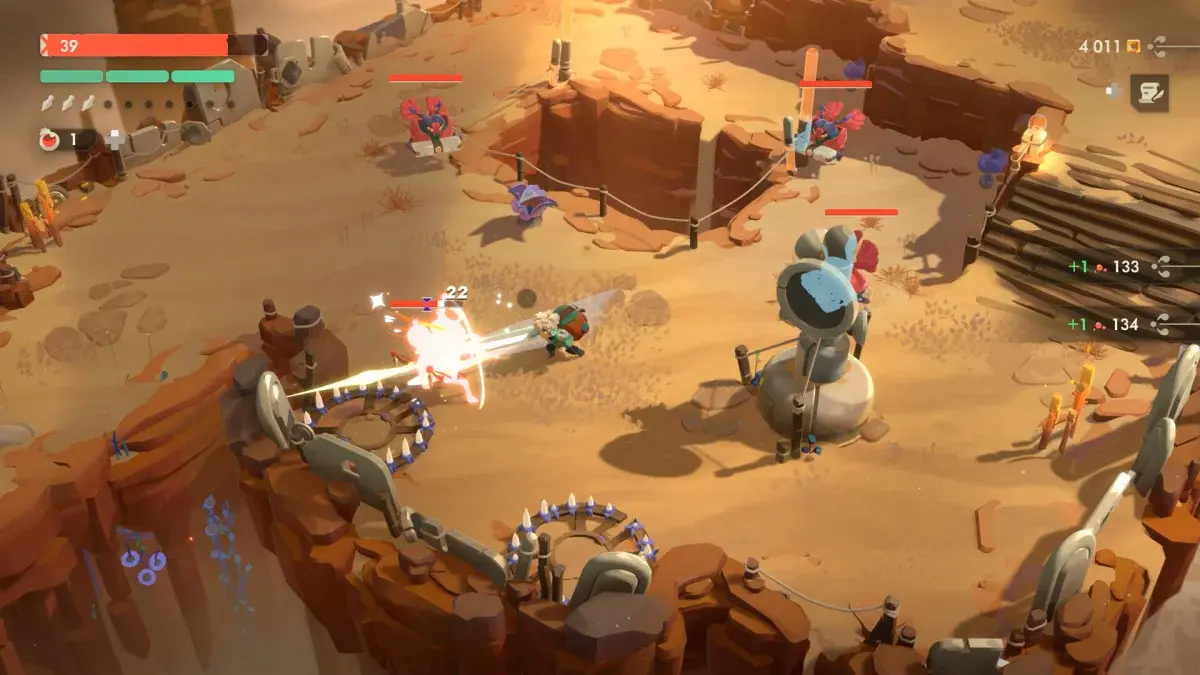
Speaking bluntly, the original Moonlighter’s combat was functional but forgettable. It got the job done, but nobody was playing for the dodge-roll mechanics. The sequel addresses this head-on with an expanded weapon roster, new abilities, and enemy designs that demand more than “hit thing until thing dies.”
New weapon types include a spear with reach-based advantages, dual daggers for speed builds, and a heavy hammer that rewards commitment and timing. Each weapon feels distinct enough that switching loadouts meaningfully changes how you approach encounters. Enemy variety scales impressively as you descend. Early floors feature the expected slimes-and-bats fare, but by floor 20 you’re dealing with enemies that coordinate, telegraph attacks you need to read, and exploit the procedural environment in clever ways.
One memorable encounter around floor 35 featured a mini-boss that summoned adds based on which environmental hazards were present in the room—a nice touch that showcased the procedural system working in harmony with enemy design rather than against it. The Hades comparison is inevitable, and I’ll address it directly: Moonlighter 2’s combat isn’t at that level.
Supergiant’s masterpiece redefined what roguelite combat could feel like, and Digital Sun isn’t trying to compete on that axis. What they’re offering is combat that supports the core loop rather than dragging it down. It’s satisfying enough that dungeon runs feel like adventures rather than chores, but not so demanding that you forget you’re here to stock a shop. For this particular hybrid genre, that’s the right balance.
The Early Access Rough Edges
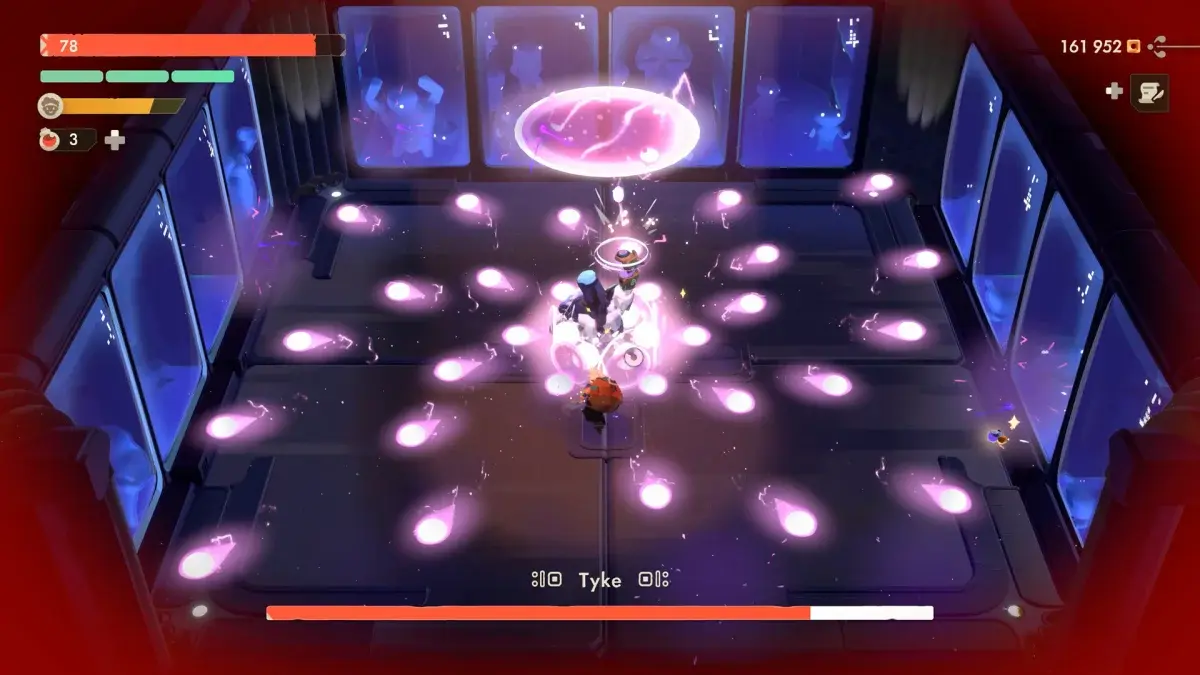
Deep into Early Access, I’ve encountered enough jank to warrant discussion. Performance hiccups occur most noticeably during floor transitions and when rooms get crowded with enemies and particle effects. Nothing game-breaking, especially on my high-budget machine, but players on older hardware should expect possible issues until optimization passes happen.
I’ve also experienced two crashes, and both during autosaves, which is concerning. As well as occasional animation glitches where enemies T-pose briefly before attacking. Some features feel clearly placeholder. The journal system tracks lore fragments you discover, but the interface for reviewing them is bare-bones. Certain crafting recipes show “coming soon” tooltips. The town development tree has visible branches that aren’t yet accessible. None of this is unusual for Early Access, but it does mean you’re playing an incomplete game.
Digital Sun’s projected 12-18 month Early Access window suggests they’ve significant work planned, and the current build reflects that. What needs addressing most urgently is balance. Some weapon types feel dramatically stronger than others, certain enemy combinations on procedurally generated floors can be nearly impossible or trivially easy depending on room layout, and the economy occasionally spits out loot so valuable that it trivializes several hours of progression. These are fixable problems, and Early Access exists precisely to identify and address them. But if you’re the type who needs polish before diving in, waiting for a few patches isn’t unreasonable.
Learning from the Past
The original Moonlighter’s most common criticisms were repetitive dungeons and shallow combat. Digital Sun has clearly taken these to heart, and the Endless Vault directly addresses the former, while the combat overhaul tackles the latter. Less obvious but equally important are quality-of-life improvements: better inventory management, clearer item tooltips, more responsive controls. These are the kinds of refinements that suggest a studio that actually played their own game and listened to their community.
The studio’s journey since 2018 includes Mageseeker: A League of Legends Story, a 2023 release that received mixed reviews and seemingly lower commercial success than Moonlighter. It’s tempting to read The Endless Vault as a return to safe ground, but I think it’s more accurately a studio playing to their strengths while incorporating hard-won lessons. The procedural systems here are more ambitious than anything in Mageseeker, suggesting Digital Sun learned what worked and what didn’t.
The elephant in the room remains co-op. It was the most requested feature for the original Moonlighter, and it’s absent from the Early Access launch and, as far as I can tell, from any announced roadmap. Digital Sun hasn’t explicitly ruled it out, but they haven’t confirmed it either. For players hoping to run shops with friends, this is a significant disappointment. Whether it’s a technical limitation, a design choice, or simply a feature that might come later, the silence is conspicuous.
Moonlighter 2: The Endless Vault is a confident Early Access launch that understands what made the original special, but the real test comes in whether “endless” can sustain meaning over dozens of hours. Digital Sun has built something promising here: a sequel that expands without losing its identity, that addresses criticisms without abandoning its soul. For now, despite the rough edges and missing features, the shop stays open. I’ll see you on the next floor.