
Six weeks into Early Access, Bladesong has proven something remarkable: forging a virtual sword can feel genuinely satisfying. But this German indie’s ambitious blend of simulation and text adventure reveals a fundamental tension that no amount of hammer strikes can resolve. SUN AND SERPENT Creations’ debut title, which launched on January 22, 2026, delivers exactly what it promises in its forge—and then struggles to maintain that magic everywhere else.
The Forge That Earns Its Title
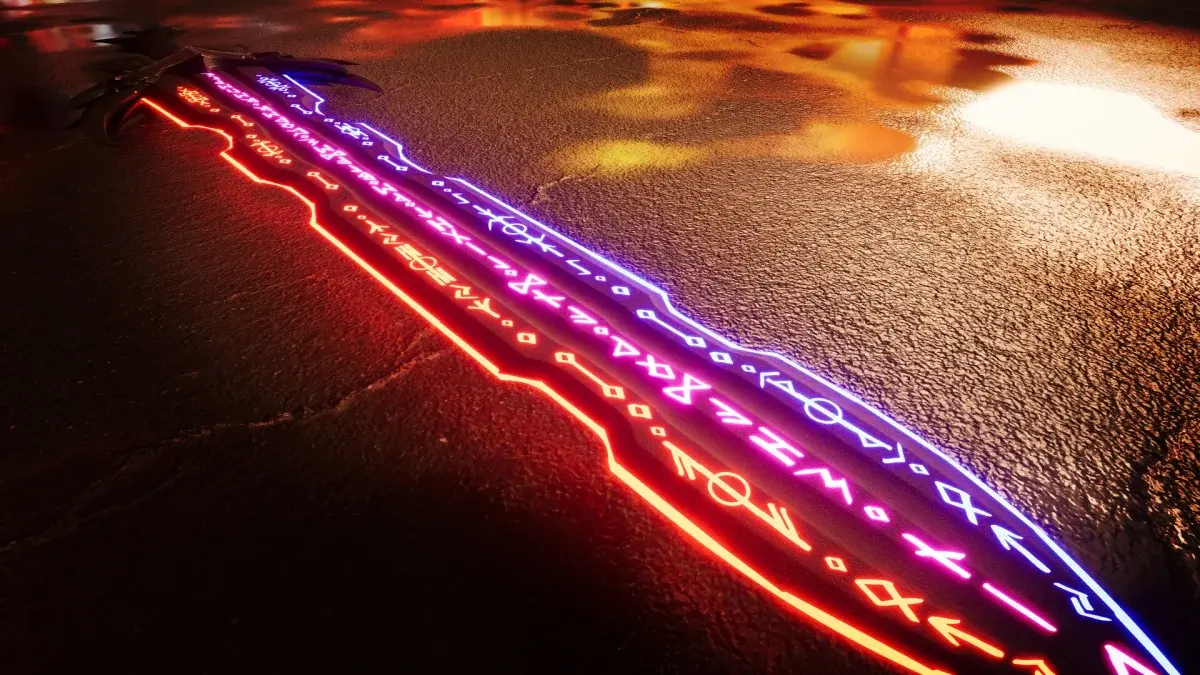
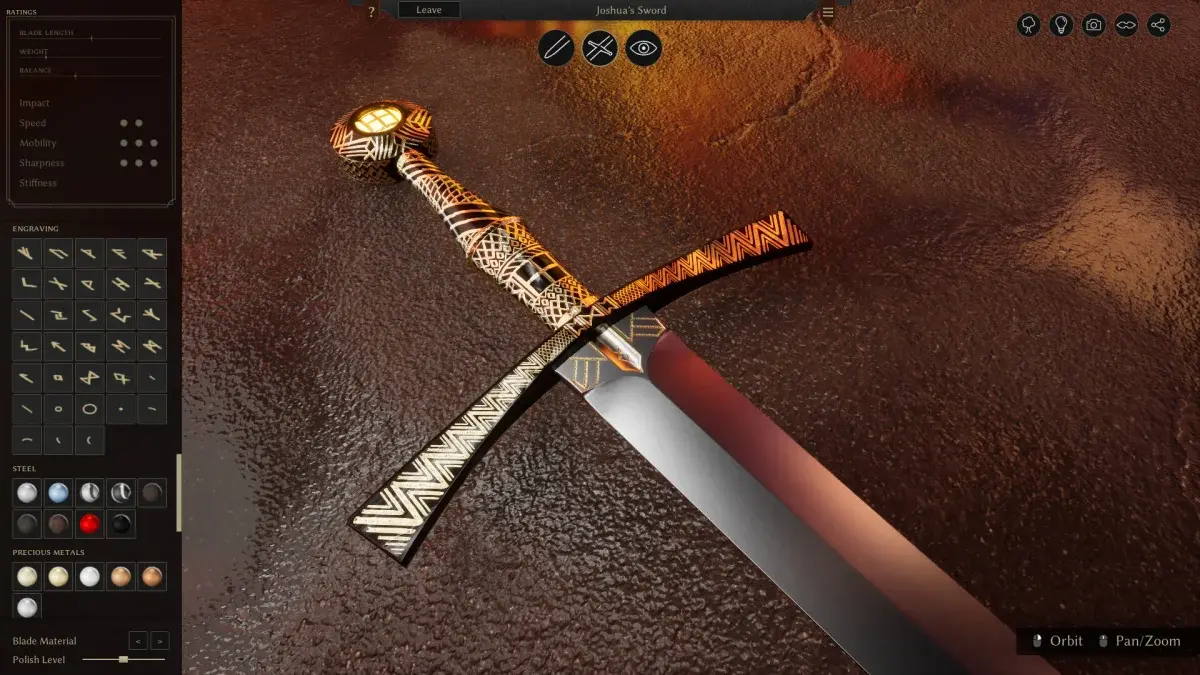
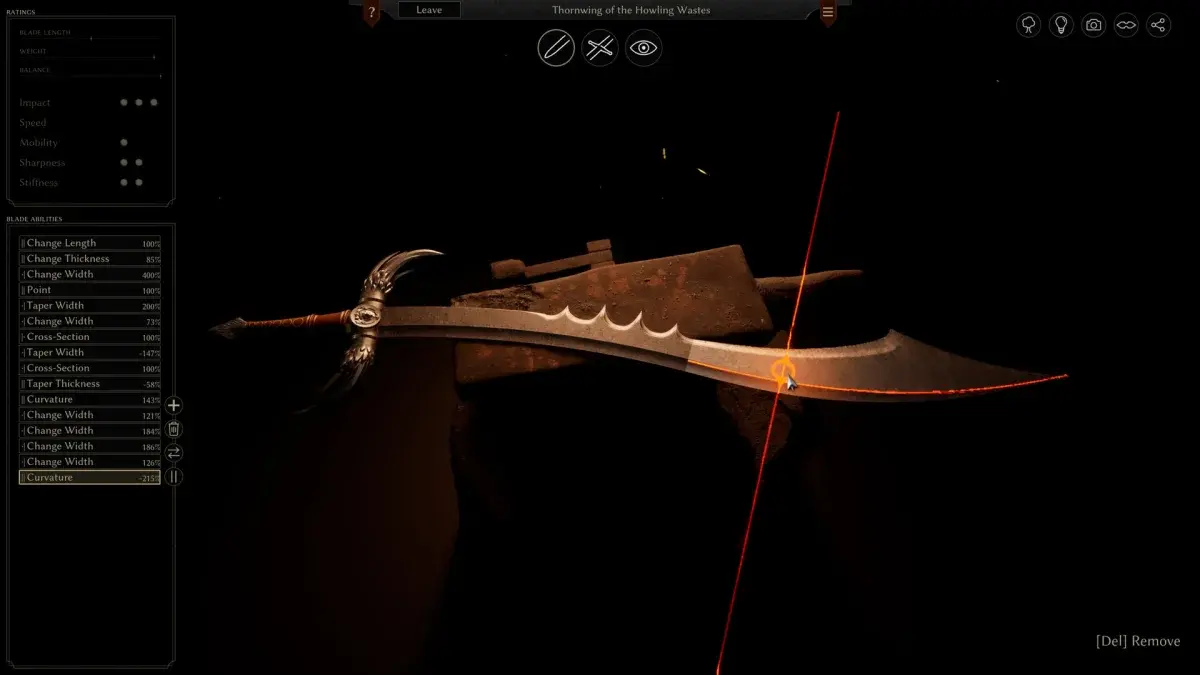
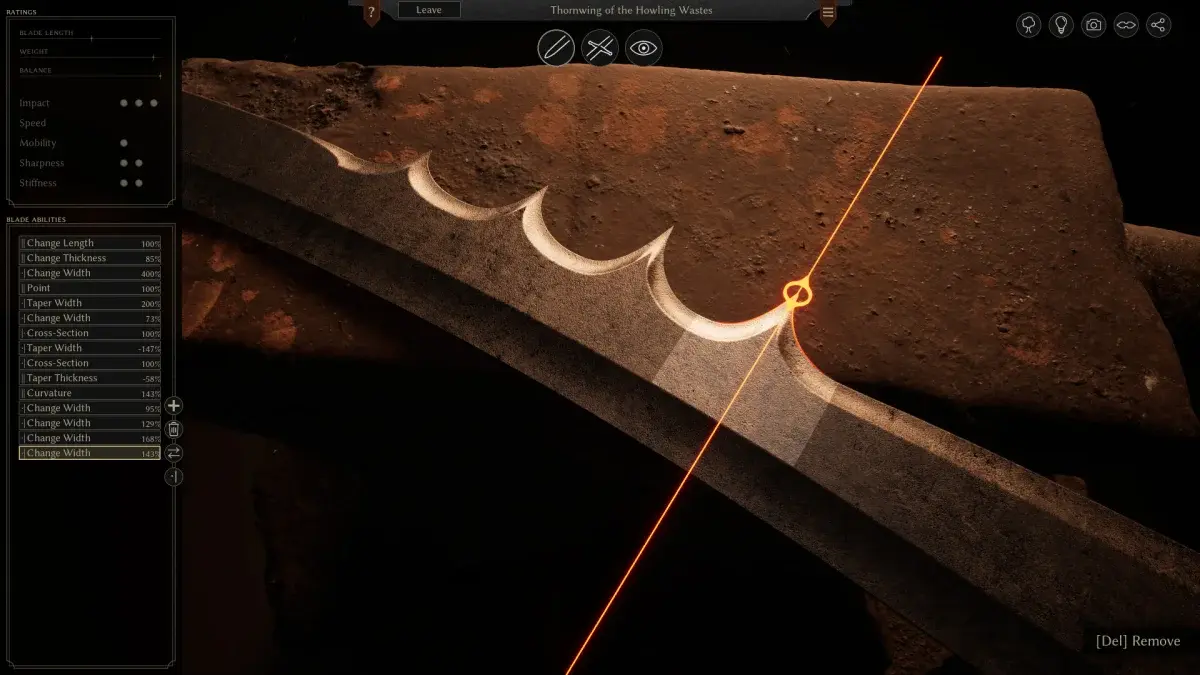
Let’s start with what Bladesong absolutely nails. The sword-forging interface is exceptional—polished, intuitive, and in a way that justifies the studio’s bold claim of creating “the ultimate sword making game.” When a customer walks in requesting a blade with specific weight distribution, a particular edge sharpness, and handling characteristics suited to their fighting style, you’re not just clicking through menus. You’re making meaningful decisions about steel allocation, blade geometry, and finishing techniques that directly impact whether you meet those specifications.
This level of craft simulation depth shouldn’t surprise anyone who looks at the pedigree behind it. David Kuri, who heads SUN AND SERPENT Creations, previously worked at Moon Studios on No Rest for the Wicked, and that experience shows in how the core mechanics feel. There’s a responsiveness and tactile quality to the forging process that many larger studios struggle to achieve. The commission system creates genuine tension between resource management—balancing Action Points, Steel, Leather, and Wood—and creative ambition. Do you use your limited materials to perfectly match what the customer asked for, or do you take risks hoping to exceed expectations?
Creative mode deserves special mention here. For players who want to experiment without the pressure of commissions, Bladesong offers complete freedom to craft whatever strikes your imagination. This sandbox approach reveals just how deep the forging systems run, and it’s easy to lose hours simply exploring what’s possible. The foundation SUN AND SERPENT has built over three years of development is impressive for a debut indie title.
When the Hammer Falls Silent
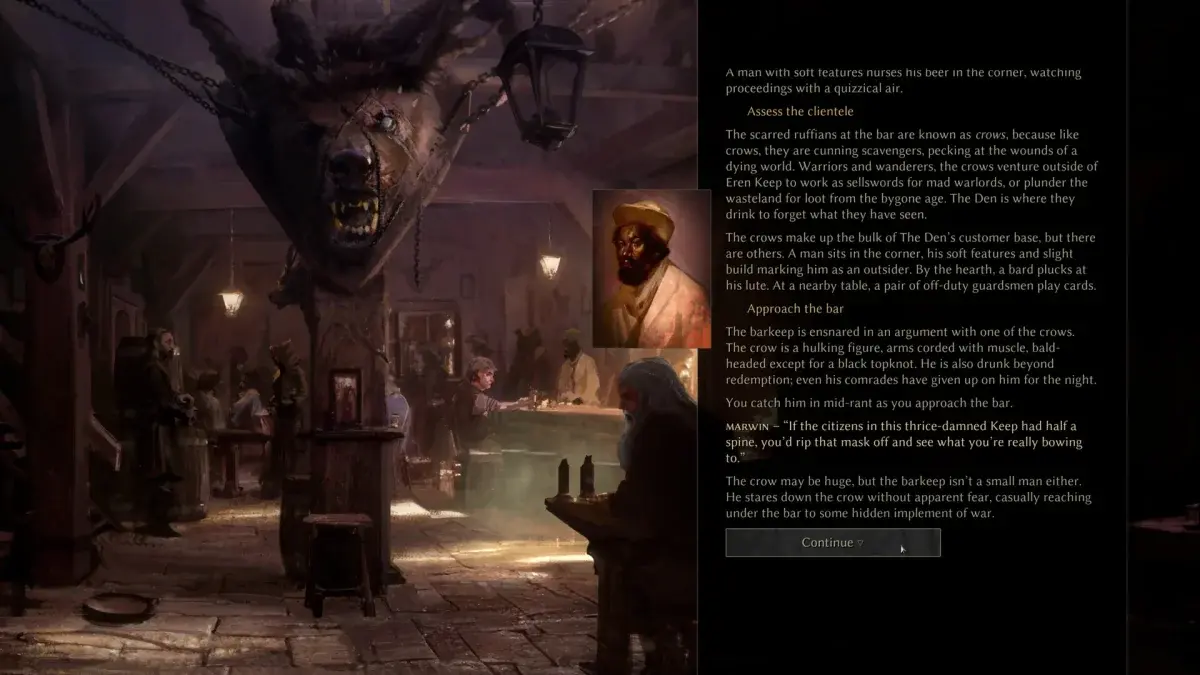
Here’s where my enthusiasm cools considerably. Bladesong’s premise is compelling: you play a blacksmith who awakens on their deathbed, choosing your backstory and motivations before embarking on what should be a deeply personal journey through a medieval fantasy world. The problem is that this evocative setup gets delivered through walls of text that feel completely disconnected from the tactile joy of the forge itself. You go from the satisfying physicality of shaping steel to clicking through paragraph after paragraph of prose, and the tonal whiplash is jarring every single time.
Gamereactor’s Joel articulated this perfectly in his review: “It’s actually a well-written story, but I miss the immersion that should be there when playing as a master blacksmith, because all you see outside of the actual sword forging is long texts with story.” That’s exactly the issue. The writing isn’t bad—it’s competent, sometimes even evocative. But it’s trapped in a presentation format that undermines everything the forge works so hard to establish. When I’m shaping a blade, I feel like a craftsman. When I’m reading about being a craftsman, I feel like I’m playing a different game entirely.
Consider how games like Unpacking tell their stories through mechanics rather than around them. Every object you place reveals something about the character without a single line of exposition. Bladesong has an opportunity to do something similar—to let the weapons themselves tell stories, to let customer interactions unfold through the craft rather than despite it. Instead, the simulation and narrative feel like two games awkwardly sharing the same executable.
The Text Adventure Defense
I want to be fair here, because there’s a legitimate counterargument. TheSixthAxis’s reviewer noted that “this is absolutely what games were like when I first discovered them, and that literary edge is put to good use in Bladesong’s opening, forming a clear vision of its fantasy medieval world and your place within it.” That’s not wrong. Text adventures have a rich history, and for players who grew up with that tradition, Bladesong’s approach might feel like a deliberate stylistic choice rather than a limitation.
Budget constraints matter too. SUN AND SERPENT is a small German indie studio making their debut. Full visual storytelling—cutscenes, animated character interactions, environmental narrative design—requires resources that simply might not exist for a team of this size. Given the choice between polishing the forge mechanics to excellence or spreading development thin across multiple systems, they arguably made the right call. The forge is what makes Bladesong unique; a mediocre forge with slightly better narrative presentation would have been a worse game overall.
And honestly, some players prefer reading. The text is well-crafted enough that if you approach Bladesong as two distinct experiences—a crafting simulator and a fantasy text adventure—both halves deliver on their individual merits. The problem isn’t that either element is bad; it’s that they don’t enhance each other the way they could.
What Early Access Could Still Forge
This is where I find genuine hope. Early Access exists precisely for situations like this, where a strong foundation needs refinement based on player feedback. The disconnect between forge and narrative isn’t a technical limitation—it’s a design choice that could evolve. Imagine if customer reactions played out visually in your workshop. Picture the forge itself changing and growing as your reputation spreads, telling your story through environmental details rather than text boxes. These aren’t impossible dreams; they’re extensions of systems that already work.
There’s also significant territory we haven’t fully explored yet. The skill tree and progression system remain somewhat opaque in the current build, and how these develop over a full campaign playthrough could meaningfully change the experience. SUN AND SERPENT hasn’t released a detailed Early Access roadmap, so we don’t know what features are planned or how long until full release. But the trajectory from demo in September 2025 to this polished January launch suggests a studio that knows how to iterate effectively.
Two years of focused development delivered mechanics this refined. What could another year bring? The foundation is strong enough to build something genuinely special—something that doesn’t just simulate swordmaking but tells stories through the act of creation itself. Whether SUN AND SERPENT chooses to pursue that vision remains to be seen, but the potential is undeniably there, waiting to be forged.
Bladesong is worth playing now if you’ve ever wanted to truly understand the craft of swordmaking. The forge alone justifies the purchase for simulation enthusiasts. But if narrative immersion matters most to you, consider waiting—either for a sale or for future updates that might bridge the gap between hammer and story. The forge deserves a tale told in sparks and steel, not just ink on a page. Here’s hoping Early Access gives SUN AND SERPENT the feedback they need to make that happen.