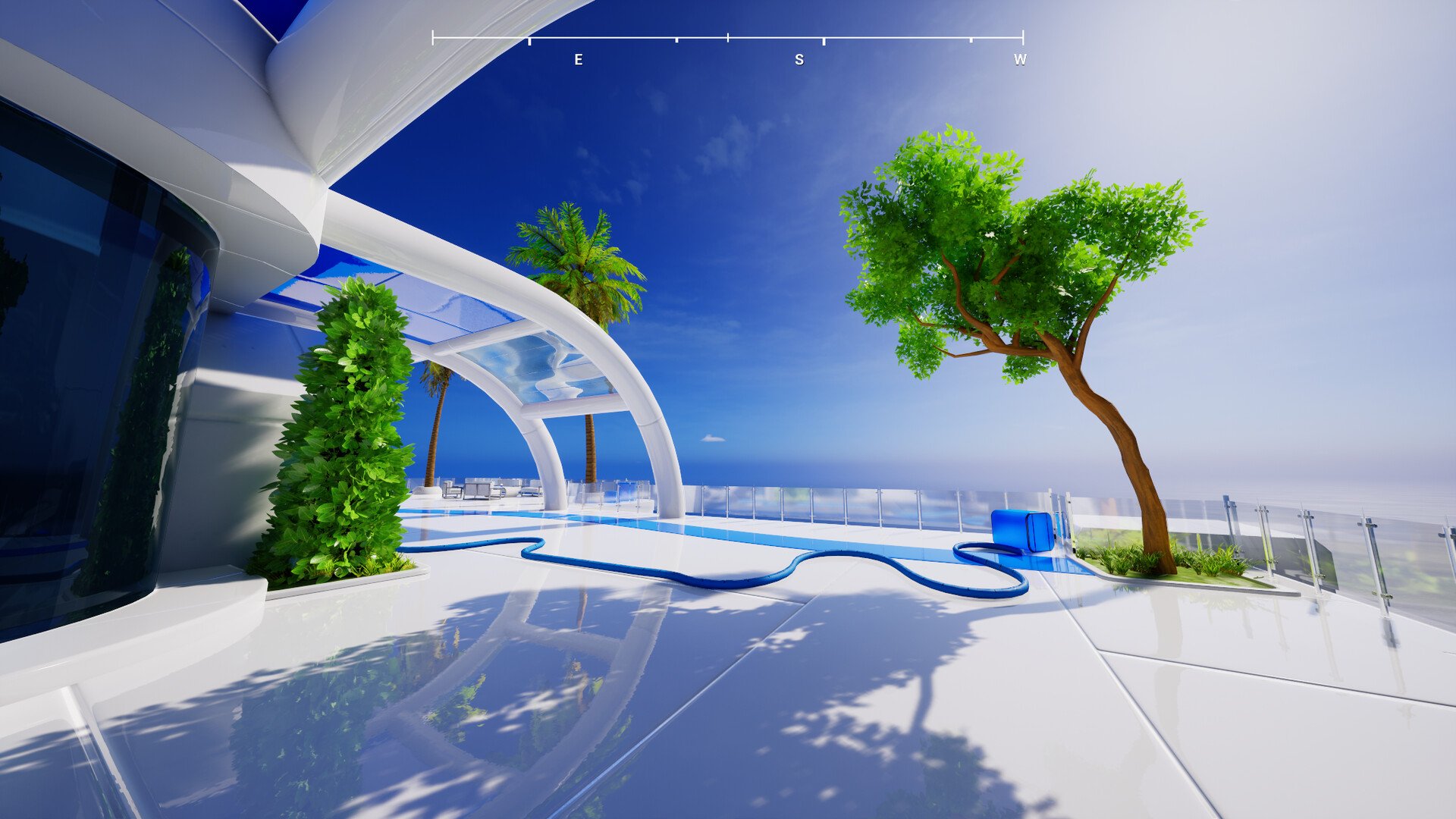

An indie developer is creating Panline, a first-person parkour game that bears such a striking resemblance to Mirror’s Edge that some observers are questioning whether EA might take legal action. As reported by The Gamer, the project has captured attention from fans still mourning the Mirror’s Edge franchise, which has remained dormant since 2016’s disappointing Catalyst.
This similarities between Panline and DICE’s beloved 2008 original are immediately apparent—from the clean, minimalist aesthetic to the fluid first-person parkour mechanics that made Mirror’s Edge such a standout title. For many of us who spent countless hours perfecting Faith’s wall-runs and precision jumps, Panline looks like the spiritual successor we’ve been waiting for.
When Publishers Abandon Beloved Franchises
This situation perfectly illustrates one of gaming’s most frustrating patterns: publishers sitting on beloved IP while indie developers step in to fill the void. EA’s treatment of Mirror’s Edge mirrors their approach to other dormant franchises like Burnout, SSX, and Fight Night. These aren’t forgotten games—they have passionate fanbases who regularly petition for sequels on social media and gaming forums.
Mirror’s Edge Catalyst’s lukewarm reception in 2016 seems to have sealed the franchise’s fate. Despite addressing some of the original’s issues, Catalyst never captured that lightning-in-a-bottle feeling that made the first game special. The shift to an open-world structure diluted the carefully crafted flow that defined Mirror’s Edge’s best moments.
With DICE now focused entirely on Battlefield titles, and EA showing little interest in reviving smaller franchises, independent developers like Panline’s creators are essentially picking up where major studios left off. It’s a pattern we’ve seen before—look at how A Hat in Time filled the 3D platformer void left by major publishers, or how Bloodstained satisfied Castlevania fans when Konami abandoned the series.
Legal Tightrope of Spiritual Successors
The elephant in the room is whether Panline treads too close to copyright infringement. Spiritual successors walk a fine legal line—they can draw inspiration from existing games but can’t directly copy protected elements like specific character designs, story elements, or trademarked visual styles.
Successful spiritual successors typically succeed by capturing the essence of what made the original special while adding their own distinct elements. Mighty No. 9 attempted this with Mega Man (though with mixed results), while Bloodstained more successfully channeled Castlevania’s gothic atmosphere and gameplay loop.
From what we’ve seen of Panline, the developers appear to understand this balance. While the visual style and parkour mechanics clearly draw inspiration from Mirror’s Edge, early footage suggests they’re building something that stands on its own merits rather than simply copying DICE’s work wholesale.
Why This Matters to Gamers
Panline represents more than just another indie game—it’s a test case for whether passionate developers can successfully revive gameplay styles that major publishers have abandoned. The first-person parkour genre practically disappeared after Catalyst’s commercial disappointment, leaving fans with few options beyond replaying the original Mirror’s Edge.
If Panline succeeds, it could demonstrate market demand for this type of experience and potentially influence EA’s future decisions about the Mirror’s Edge franchise. More importantly, it could inspire other developers to tackle similarly abandoned genres and franchises.
The indie gaming scene has repeatedly proven that there’s an audience for experiences that major publishers consider too niche. From the resurgence of immersive sims through titles like Prey and Deathloop to the revival of classic survival horror with games like Visage and Madison, passionate developers often succeed where risk-averse publishers fear to tread.
What’s Next for Panline
The key question now is whether Panline’s developers can maintain momentum while avoiding potential legal issues. Gamers will be watching closely to see if EA takes any action, though the company has generally been tolerant of fan projects and spiritual successors that don’t directly compete with active franchises.
More details about Panline’s gameplay mechanics, story, and release timeline should emerge in the coming months. For Mirror’s Edge fans who have been waiting nearly a decade for a worthy successor, this indie project might finally deliver the experience we’ve been craving—assuming it can navigate the legal and development challenges ahead.