 By
By This review follows Output Lag’s comprehensive review methodology.
About Necesse
- Developer
- Fair Games
- Publisher
- Fair Games
- Release Date
- October 16, 2025
- Platforms
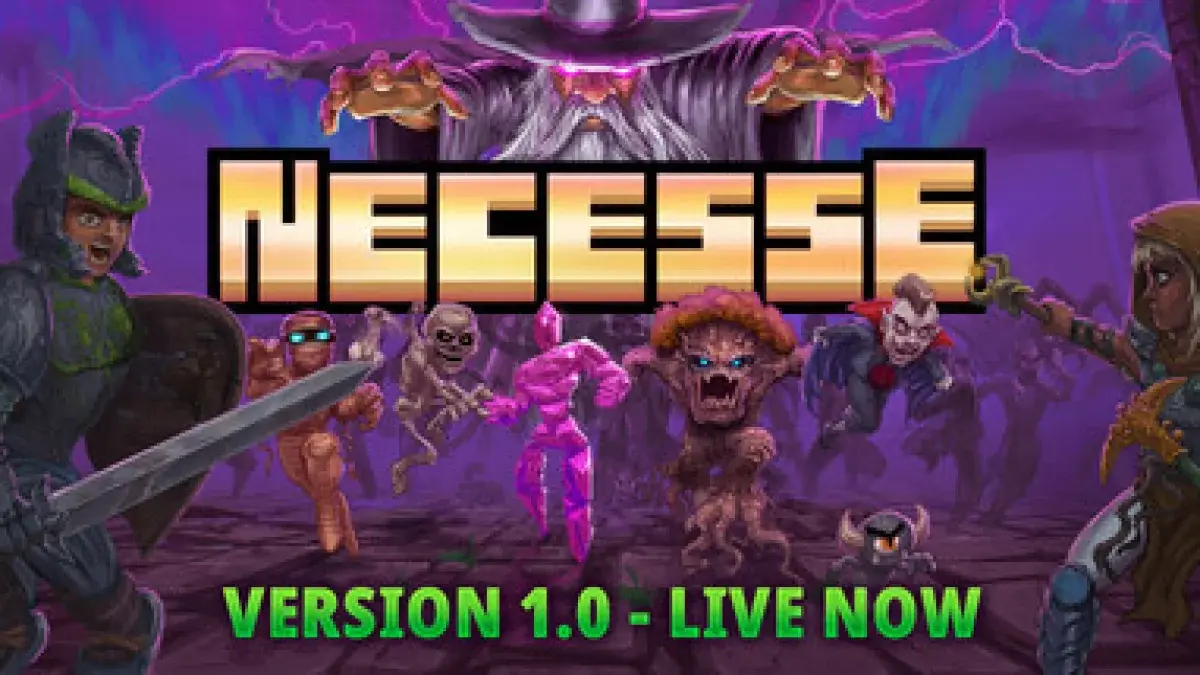
Necesse has pulled a fast one on me. What started as a familiar top-down survival adventure about mining resources, killing monsters, and struggling to stay alive has quietly transformed into something I can’t stop thinking about during work meetings. Developed by Mads Skovgaard under the Fair Games banner, Necesse has spent years in Early Access before finally hitting its 1.0 release. After sinking sixty-plus hours into my PC playthrough, I can confidently say those years were well spent.
Island Hopping Into the Unknown
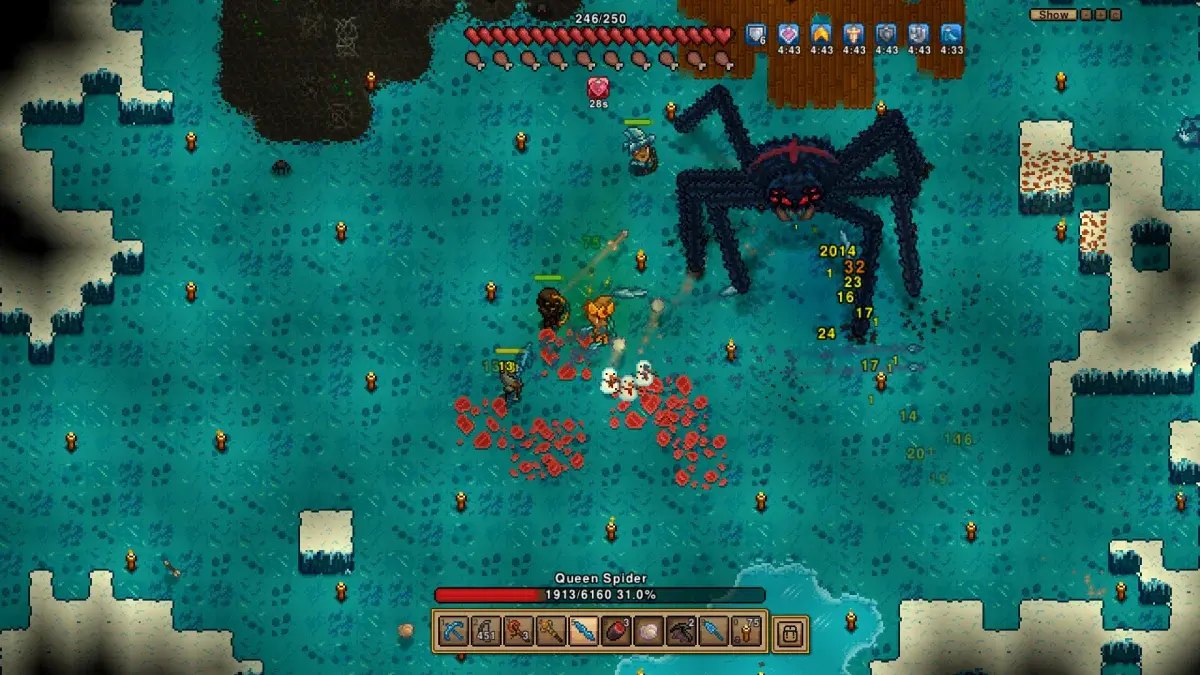
Necesse’s procedurally generated world structure gives Necesse its initial hook. You wash up on an island with nothing, and the familiar survival loop kicks in—punch trees, craft tools, build shelter before nightfall brings the monsters. But here’s where things get interesting: each island you discover feels genuinely distinct. Snow-covered landmasses demand cold weather gear before you freeze to death mid-exploration. Desert islands hide ancient dungeons beneath scorching sands. Swamp biomes make you question every step as poison and decay lurk around corners.
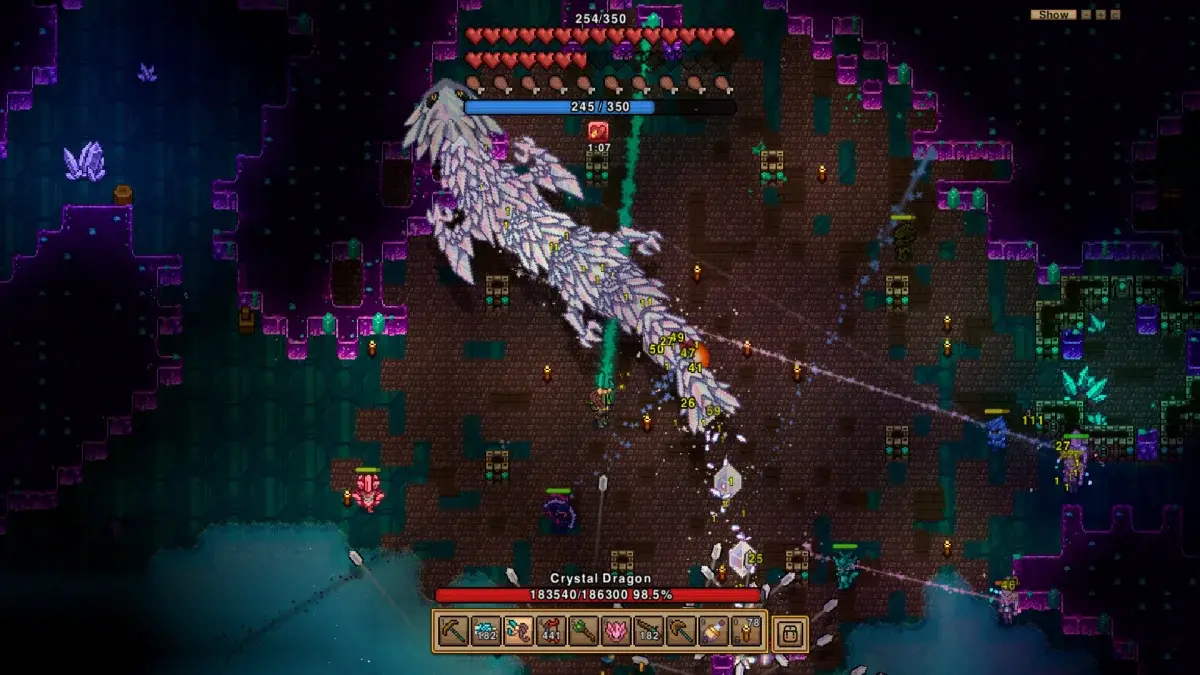
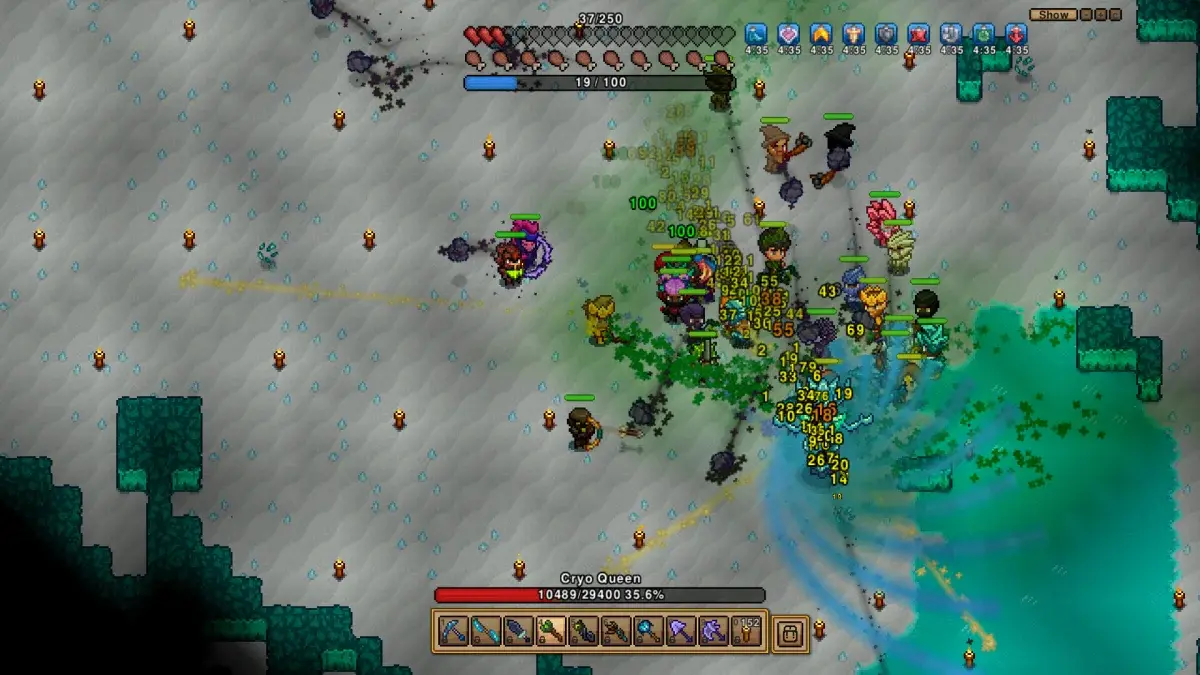
This dungeon diving is where I find myself losing track of time most consistently. Each procedurally generated dungeon presents a genuine risk-reward calculation. Do I push deeper for better loot, or retreat with what I’ve got before my health potions run dry? The answer is of course always “one more room,” which led to many spectacular deaths and some triumphant victories when I emerged clutching a weapon upgrade that made the last hour of struggle worth it.
Boss encounters gate your progression in ways that feel earned rather than arbitrary. You can’t just grind your way past them as you need the right gear, the right strategy, and honestly, a bit of patience.
Survivor to Settlement Architect
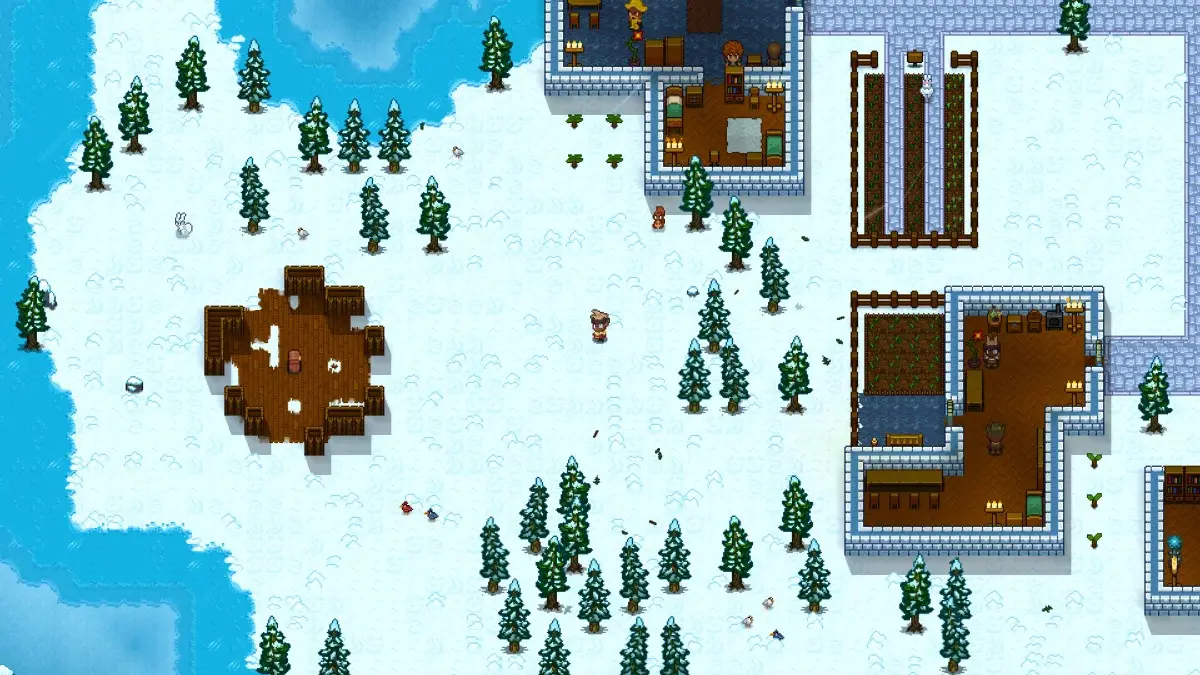
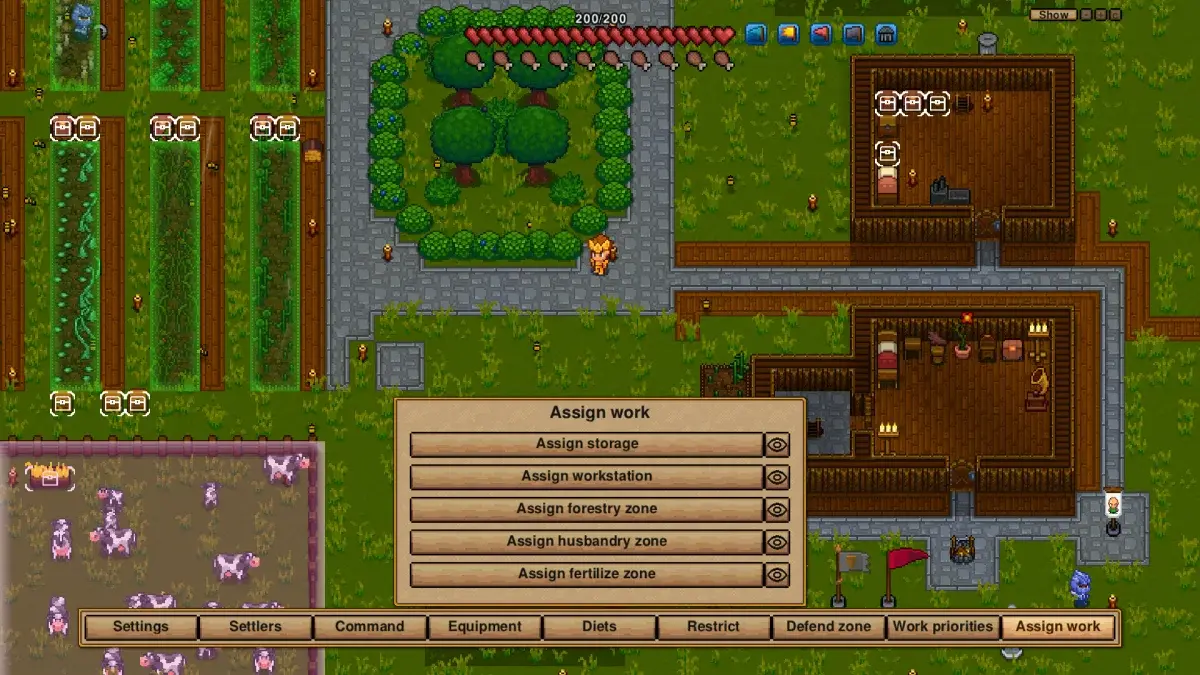
The base building is where Necesse reveals its true identity. Around the ten-hour mark, you can start recruiting NPCs to your settlement, and the entire game transforms. Suddenly, you’re not just surviving, you’re thriving through building. That farmer I recruited? She handles all my crop rotation now. The blacksmith? He’s cranking out arrows while I explore. My hunters patrol the perimeter and handle most monster threats before I even notice them.
The automation systems run deeper than I expected. You can set up entire production chains where settlers harvest resources, process them, and store finished goods without any input from you. I spent an embarrassing amount of time optimizing my settlement’s layout so materials would flow efficiently from storage to crafting stations. It scratches that same itch as Factorio or Satisfactory, just in a more accessible package.
Base building offers enough creative freedom to make your settlement feel personal without drowning you in options. I’m not an architectural genius, but even my functional-first designs started looking respectable once I unlocked better building materials. The game doesn’t punish you for ugly efficiency, but it rewards you for caring about aesthetics with a settlement that actually feels like home.
Bringing Friends to Your Growing Empire
I convinced two friends to grab Necesse during the Winter sale, and our multiplayer sessions quickly became a common occurrence. The drop-in implementation just works wells—no complicated server setup, no progress-breaking sync issues. One friend would focus on exploration and combat, while my other friend obsessed over settlement optimization. I floated between both, which somehow makes me feel like the world’s least effective middle manager.
Shared settlement management creates natural cooperation without forcing it. We divided responsibilities organically: someone handles farming, someone manages defenses, someone runs dungeon expeditions. The scaling difficulty means adding players doesn’t trivialize content. Instead, bosses hit harder, dungeons spawn more enemies, and you actually need that coordination to succeed.
Our shared settlement has become this weird collaborative art project. Every time I log in, someone’s added a new wing or reorganized the storage system. It’s fun in a way I didn’t expect from a game at this price point.
The Additions in 1.0 Launch
The 1.0 release brought changes that fundamentally improved the experience. The infinite seamless world is the headline feature here with no more loading screens between islands. You can sail from your home base to distant biomes without interruption, and the world feels genuinely vast rather than compartmentalized. It’s the kind of change that seems small on paper but transforms how exploration actually feels.
The new Perk Tree System accessed through the Fallen Altar gives late-game progression real teeth. Forty-eight unique perks let you specialize your character in meaningful ways, and they tie directly into endgame content. My combat-focused build plays completely differently from my friend’s automation-specialist approach. It adds replay value I didn’t know the game needed.
The final boss and accompanying endgame content give completionists something to chase with four new secret weapons hide behind challenges that’ll test everything you’ve learned. I haven’t found them all yet, but I will. Oh I will.
A Kingdom Worth Building
At $14.99, Necesse is almost absurdly underpriced. The late-game grind can test your patience and resource requirements balloon in ways that sometimes feel like padding. But the pixel art visuals are functional rather than stunning. Some features still feel like they could use another polish pass. But these complaints feel petty against sixty hours of genuine engagement.
If you bounced off survival games because the solo grind wore you down, Necesse’s colony management might be exactly what you needed. If you love Terraria but wished you could delegate the farming, this is your game. If you want something to play with friends that doesn’t demand your full attention every second, grab three copies and thank me later.
I came for the dungeon crawling. I stayed for my settlers. Turns out being an overlord suits me.