 By
By This review follows Output Lag’s comprehensive review methodology.
About Monster Lab Simulator
- Developer
- Round3 Studios
- Publisher
- KikiGames
- Release Date
- February 13, 2026
- Platforms
In Monster Lab Simulator, playing god has never been so adorable—or so financially punishing. Kiki Games has cooked up a creature-crafting management sim that asks you to embrace your inner mad scientist, splicing together mutant critters called Fulus and sending them off to battle. After about twelve hours in my laboratory, I found myself genuinely charmed by my little genetic abominations while simultaneously frustrated by an economy that treats experimentation like a cardinal sin. The formula here is promising, but this experiment isn’t quite ready to leave the petri dish.

Hatching Your Menagerie of Mutants
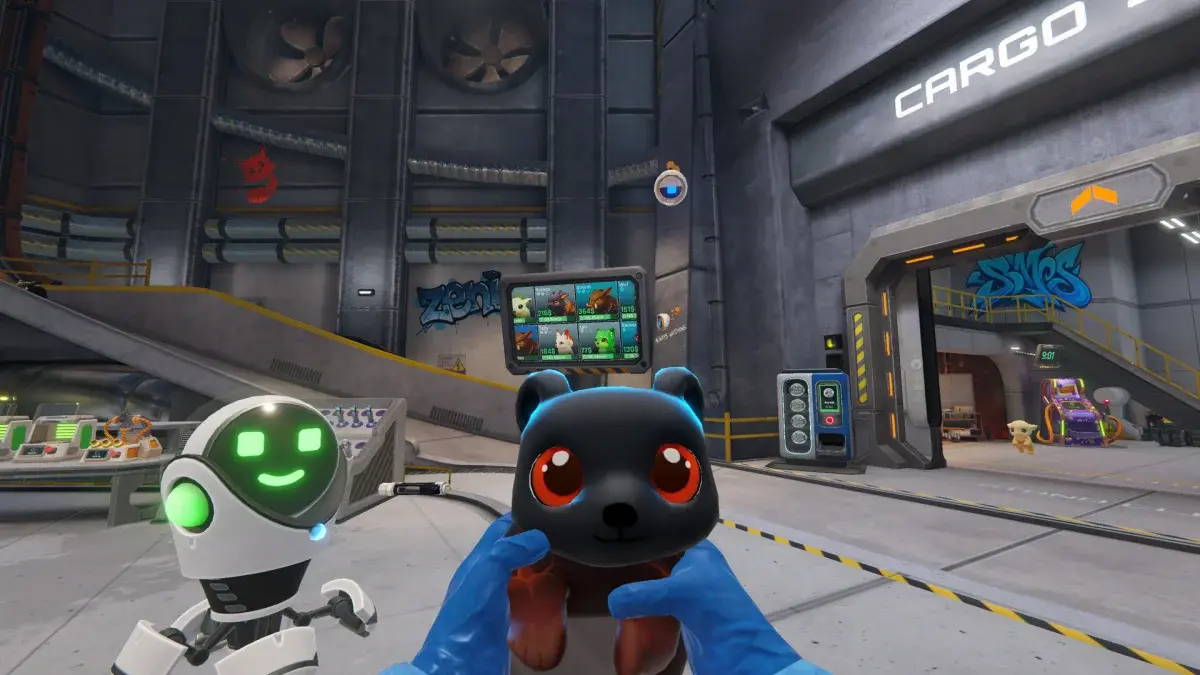
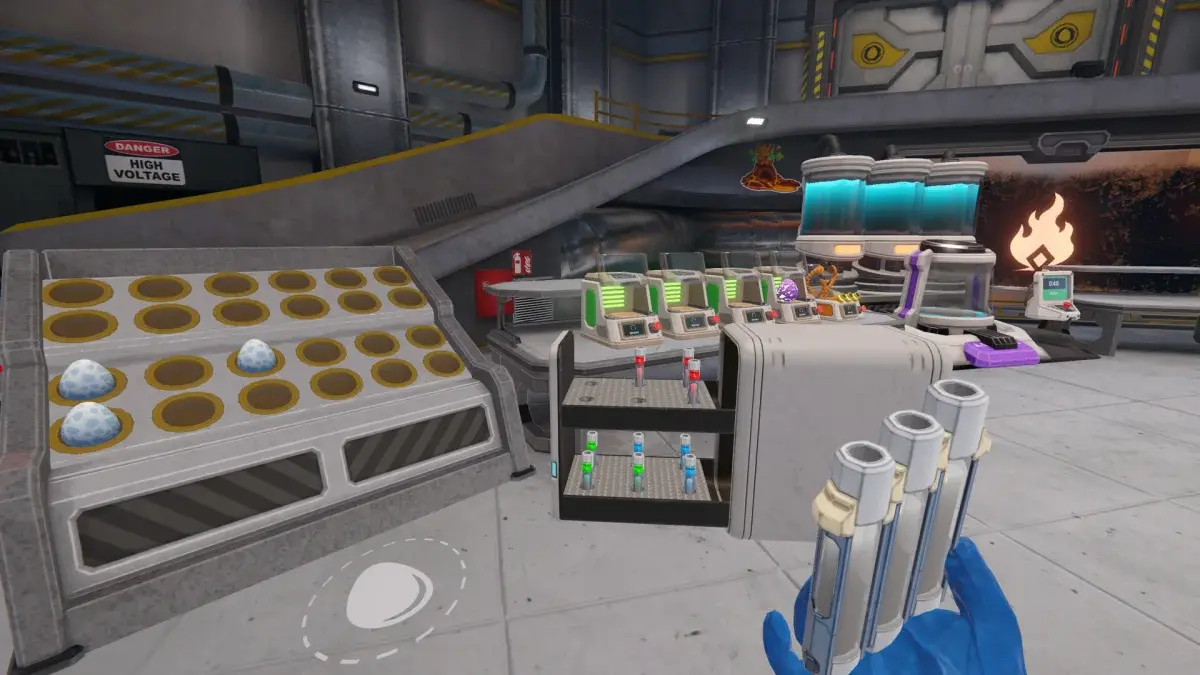
Monster Lab Simulator’s core loop of Monster Lab Simulator scratches an itch I didn’t know I had. You synthesize eggs using various genetic components, pop them into incubators, and wait with genuine anticipation to see what emerges. Will it be a fluffy fire-breather? A gelatinous blob with inexplicably cute eyes? The creature designs are delightful—whoever was responsible for the art direction understood that “mutant abomination” and “I want to protect this thing” aren’t mutually exclusive concepts.
This genetic modification system offers decent depth without overwhelming newcomers. You’re essentially mixing and matching traits, trying to breed stronger variants while maintaining the elemental affinities that determine where your Fulus thrive. I spent an embarrassing amount of time just trying to create the perfect ice-type creature, rerolling genetics like I was chasing a shiny Pokémon. That collector’s compulsion is real here, and the game knows exactly how to exploit it.
Credit where it’s due: the tutorial system is excellent. Within twenty minutes, I understood egg synthesis, creature care, and the basics of combat without feeling like I’d sat through a PowerPoint presentation. It’s the kind of onboarding that respects your intelligence while ensuring you don’t miss crucial mechanics—something plenty of bigger studios still struggle with.

Running a Mad Scientist’s Budget
Here’s where things get thorny. Monster Lab Simulator wants you to experiment with creature combinations and genetic modifications, but its economy actively punishes you for doing so. Resources are tight, failed experiments cost real currency, and the margin for error is razor-thin. I found myself hoarding materials instead of playing around with combinations, which feels antithetical to the whole “mad scientist” fantasy.
Managing your lab involves balancing creature care costs, research expenses, and facility upgrades. Different Fulus have different environmental preferences—some need scorching volcanic zones, others prefer icy chambers—and maintaining these habitats drains your wallet constantly. The system makes sense conceptually, but the numbers feel tuned for frustration rather than engagement. One bad combat run can set you back hours of careful resource management.
I understand that management sims need economic tension to create meaningful decisions. But there’s a difference between “challenging” and “stingy,” and Monster Lab Simulator lands firmly in stingy territory. When I’m afraid to try combining two creatures because I might not be able to afford feeding the result, something’s gone wrong with the balance.
When Monsters Clash
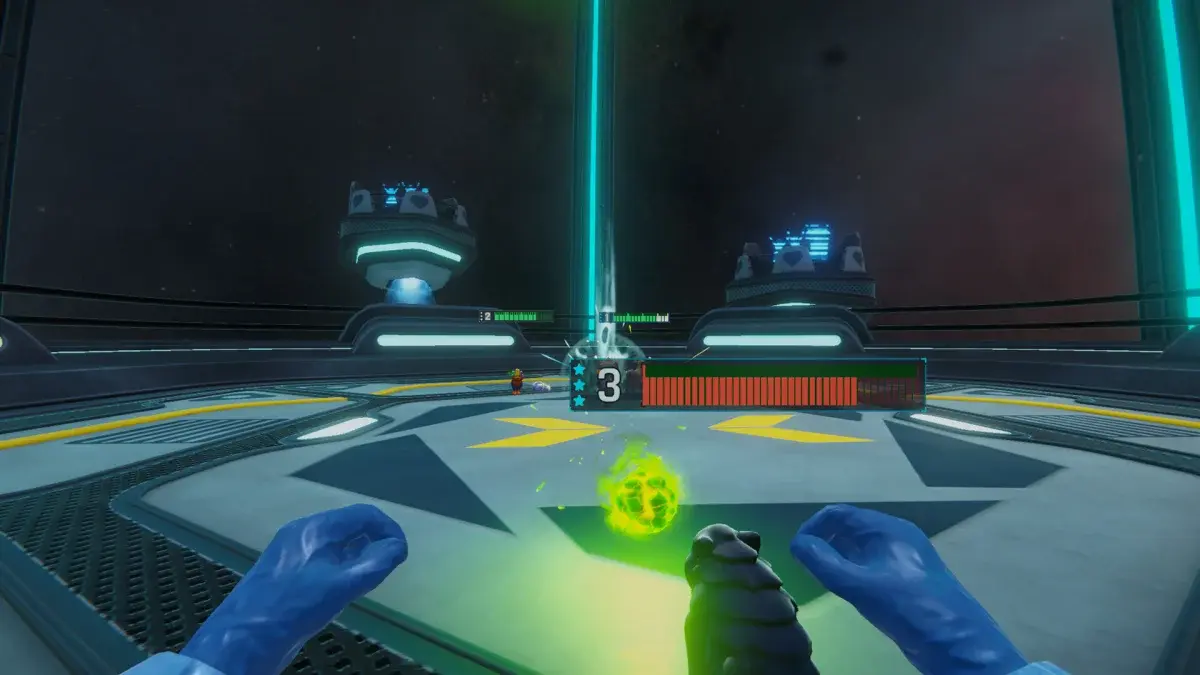
Combat serves as your primary income source and the reason you’re breeding these critters in the first place. You send your Fulus into battle, where they duke it out using abilities determined by their genetic makeup. The strategic layer here is thinner than I’d hoped—mostly it comes down to elemental matchups and raw stats—but watching your carefully bred monster absolutely demolish an opponent remains satisfying.
The creature combination system shines brightest when you’re building toward combat goals. Fusing two Fulus together to create a stronger variant feels genuinely rewarding, especially when that new creature inherits the exact traits you were hoping for. There’s a breeding-game depth here that reminded me of old-school monster collectors, where understanding genetics actually mattered.
Unfortunately, combat quickly becomes the repetitive grind that funds everything else. You’ll fight similar battles over and over, slowly accumulating currency to afford your next experiment. The loop works for a while, but by hour eight, I was auto-piloting through fights just to keep the lights on in my lab.
Early Access Growing Pains
Monster Lab Simulator launched in February 2025, and its Early Access status shows. Balance issues permeate nearly every system—the economy being the most glaring example, but combat scaling and creature progression also feel rough. Some Fulu types seem dramatically stronger than others for no apparent reason, and certain genetic combinations produce results that don’t match their component parts.
Real talk—The repetition problem compounds everything else. Once you’ve seen the core loop a few times, you’ve essentially seen what the game currently offers. New creature types and genetic options help somewhat, but the fundamental rhythm of synthesize-hatch-fight-repeat wears thin faster than it should. I kept waiting for some new system to unlock or some twist to shake up the formula, but it never came.
What frustrates me most is how clearly I can see the potential. The foundation here is solid—charming creatures, accessible mechanics, a genuine hook. With better economic balance and more variety in the gameplay loop, this could be something special. Right now, it’s a promising prototype that occasionally remembers to be fun.

A Formula Still in the Flask
Monster Lab Simulator is the kind of Early Access game that makes reviewing tricky. I can see exactly what Kiki Games is going for, and in moments, they absolutely nail it. Those first few hours of discovering new Fulus, figuring out the breeding system, and building your laboratory scratch a very specific itch. But the punishing economy and repetitive loops eventually smother that initial spark.
If you’re the patient type who enjoys watching Early Access games evolve, there’s enough here to justify keeping an eye on future updates. Creature collector enthusiasts might find the breeding mechanics compelling enough to push through the rough patches. But if you’re looking for a polished experience right now, I’d suggest wishlisting this one and checking back in six months. The mad scientist fantasy is appealing—I just wish the experiment was further along.
This review is based on a retail build of the game provided by the publisher.