 By
By This review follows Output Lag’s comprehensive review methodology.
About Farthest Frontier
- Developer
- Crate Entertainment
- Publisher
- Crate Entertainment
- Release Date
- October 23, 2025
- Platforms
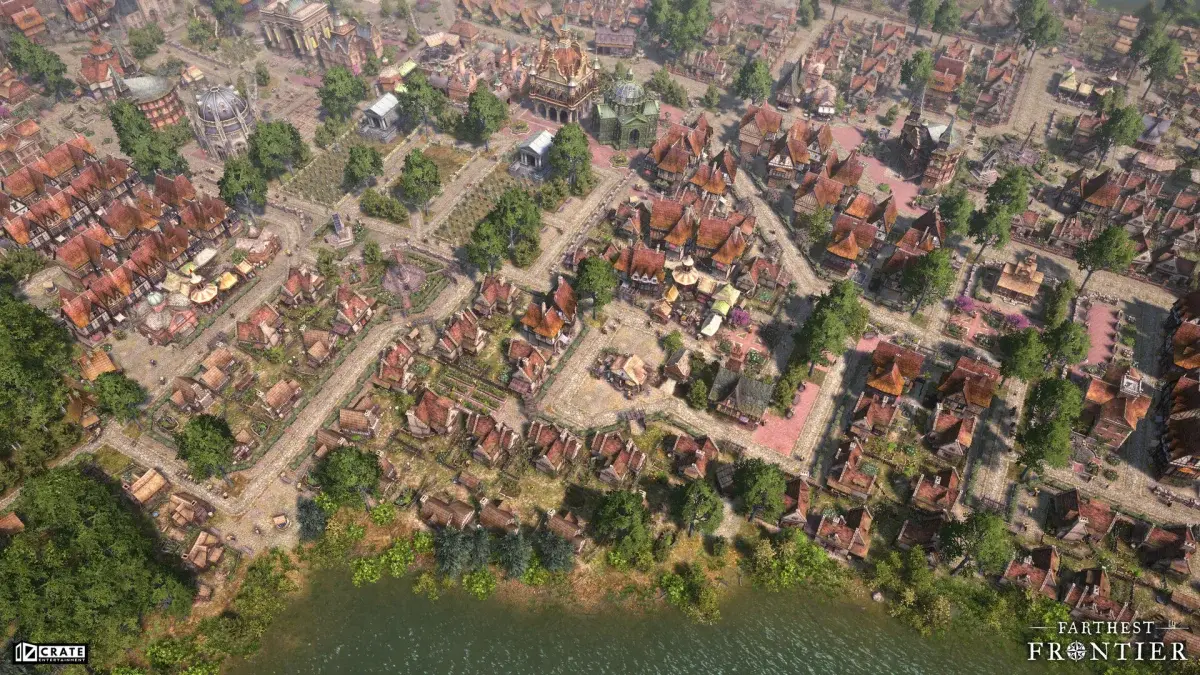
On the untamed frontier where a single failed harvest can doom your settlement and rats carry plagues through your granaries, Farthest Frontier asks a brutal question: do you have what it takes to carve civilization from wilderness? After sinking 50 hours into Crate Entertainment’s medieval city-builder on PC, I can tell you the answer is “maybe, after your first three settlements collapse in spectacular fashion.” This isn’t a cozy town-building experience. It’s a survival game wearing city-builder clothes, and I mean that as the highest compliment.
Taming the Wilderness, One Turnip at a Time
I’ve never cared this much about turnips in my life. Farthest Frontier’s farming system is absurdly detailed, and I’m here for it. You can’t just plop down wheat fields and call it a day. Soil fertility actually matters, and planting the same crop repeatedly will drain your fields until they’re producing sad, anemic harvests that won’t get your villagers through February.
Farthest Frontier’s crop rotation system will have you trying to figure out the optimal sequence of clover, beans, and grain to keep your fields healthy and flourishing. When you finally nailed a sustainable rotation that keeps fertility high while producing enough food, you’ll feel as though you’ve cracked some ancient agricultural code. Then root rot sweeps through your carrot fields because you ignored the drainage warnings, and suddenly half your winter stores are now compost.
Crop diseases spread realistically, and an infected field can devastate your entire agricultural operation if you’re not paying attention. I learned to diversify my crops not because some tutorial told me to, but because watching blight jump from field to field taught me the lesson the hard way. It’s a more interactive structure of teaching through playing that makes every successful harvest feel genuinely earned, and that system is echoed through many systems in Farthest Frontier.
When Winter Comes for Your People
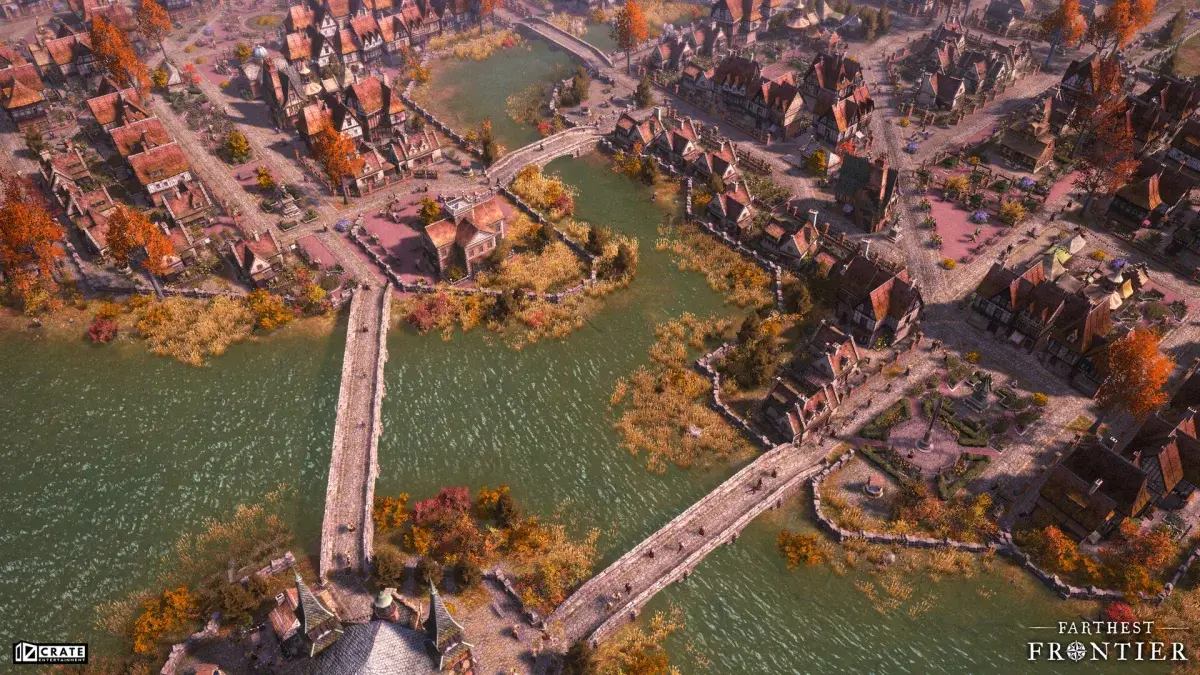
Most city builders treat winter as a mild inconvenience. Farthest Frontier treats it like the existential threat it actually was for medieval settlements. My first winter killed most of my villagers because I hadn’t stockpiled enough firewood. In turn, I watched their health bars tick down as temperatures dropped, completely helpless because I’d focused on expansion instead of preparation.
The health and sanitation systems go deep. You’re managing everything from well placement to prevent contaminated groundwater, to building rat catchers near your granaries, to ensuring your villagers have access to varied diets. Scurvy is a real concern, too. Dysentery can rip through your population if you’re not careful about sewage. It sounds tedious on paper, but in practice it creates a constant low-level tension that makes prosperity feel fragile and precious.
There’s a satisfying push-pull between wanting to expand and knowing that every new villager is another mouth to feed, another body that needs heating, another potential disease vector. When you get to the point that your settlement could comfortably survive harsh winters with surplus food and healthy citizens, it’s a massive feat on its own. That’s not a reaction I usually have to city builders.
From Hovels to Fortress Walls
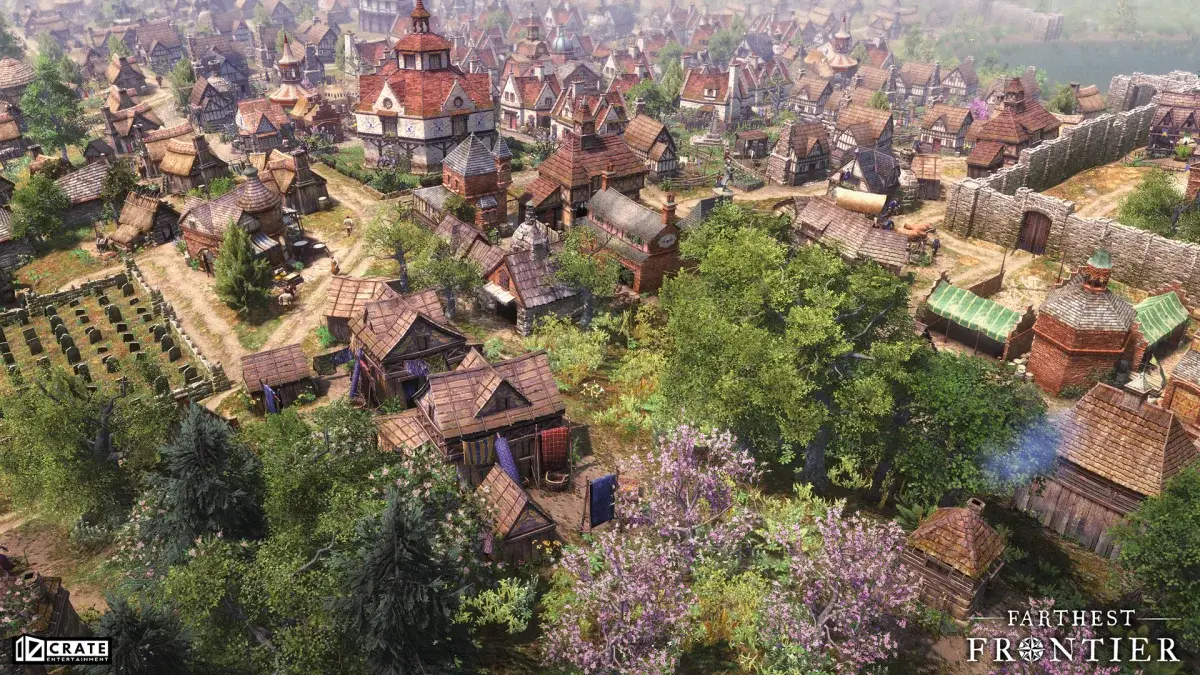
Your town’s progression from desperate frontier camp to fortified settlement feels organic in a way few games achieve. Early game, you’re just trying not to starve. Mid-game, you’re optimizing production chains and building proper housing. Late game, you’re erecting walls because raiders have noticed your prosperity and want a piece.
Combat isn’t the focus in Farthest Frontier, but raider attacks and wolf packs create genuine pressure to invest in defenses. This lesson was learned when I lost a thriving settlement of 200 villagers to a raider assault I simply wasn’t prepared for. They burned through my wooden palisade while my poorly-equipped militia got slaughtered. Rebuilding with stone walls and a proper barracks became a priority I actually cared about, once again through learning in practice, not just a checkbox on a tech tree.
The trade system rewards specialization without trivializing survival. You can focus on producing luxury goods for export, but you’ll still need to maintain food production or pay premium prices for imported grain. It’s a nice balance that keeps the survival pressure present even when you’re wealthy.
The Growing Pains of the Frontier
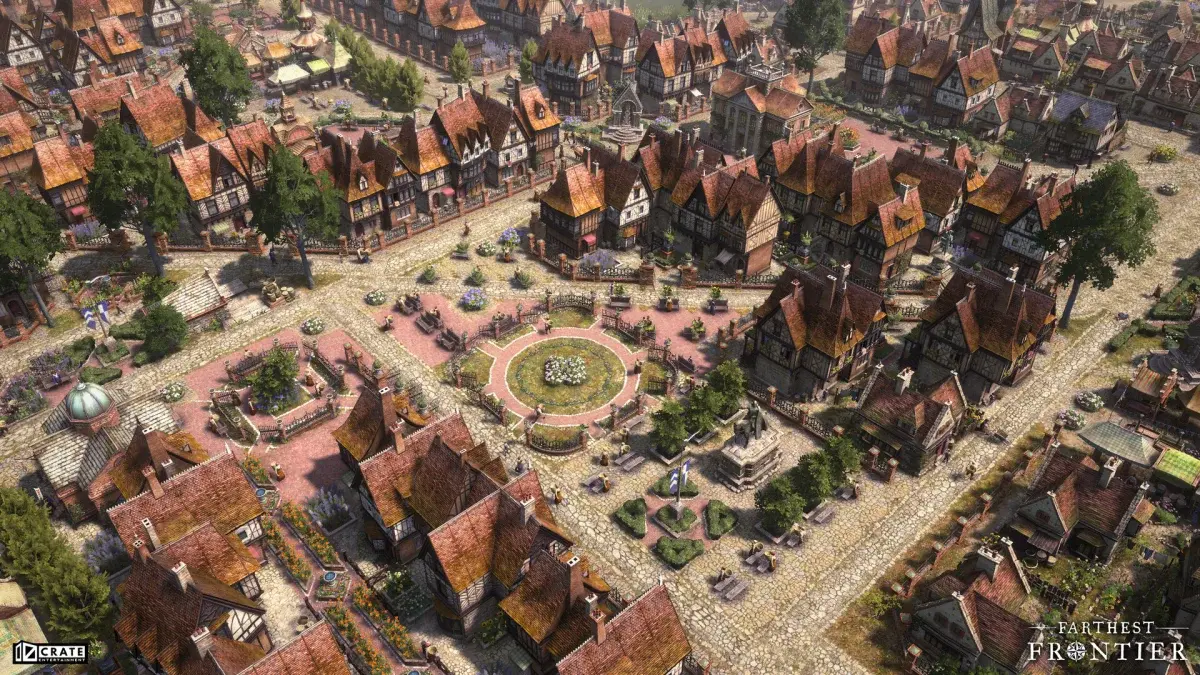
If you haven’t gotten the point, Farthest Frontier doesn’t hold your hand, and sometimes that’s too harsh of a reality. The tutorial covers basics but leaves crucial mechanics unexplained. I had no idea soil rockiness affected crop yields until I read a Steam guide to learn a bit more. As much as I like the learn-by-doing approach, that’s information the game should probably surface more clearly. Newcomers to the genre will may bounce off hard without external resources, but realistically Farthest Frontier probably isn’t intended for genre beginners.
Performance can also struggle a tad with larger settlements. It’s not unplayable, but watching your carefully orchestrated harvest slow to a slideshow takes some of the satisfaction out of your achievement. Crate Entertainment has been actively patching since the Early Access launch, but optimization remains a work in progress. It’s not horrid, and it’s not always, but it does leak through from time to time.
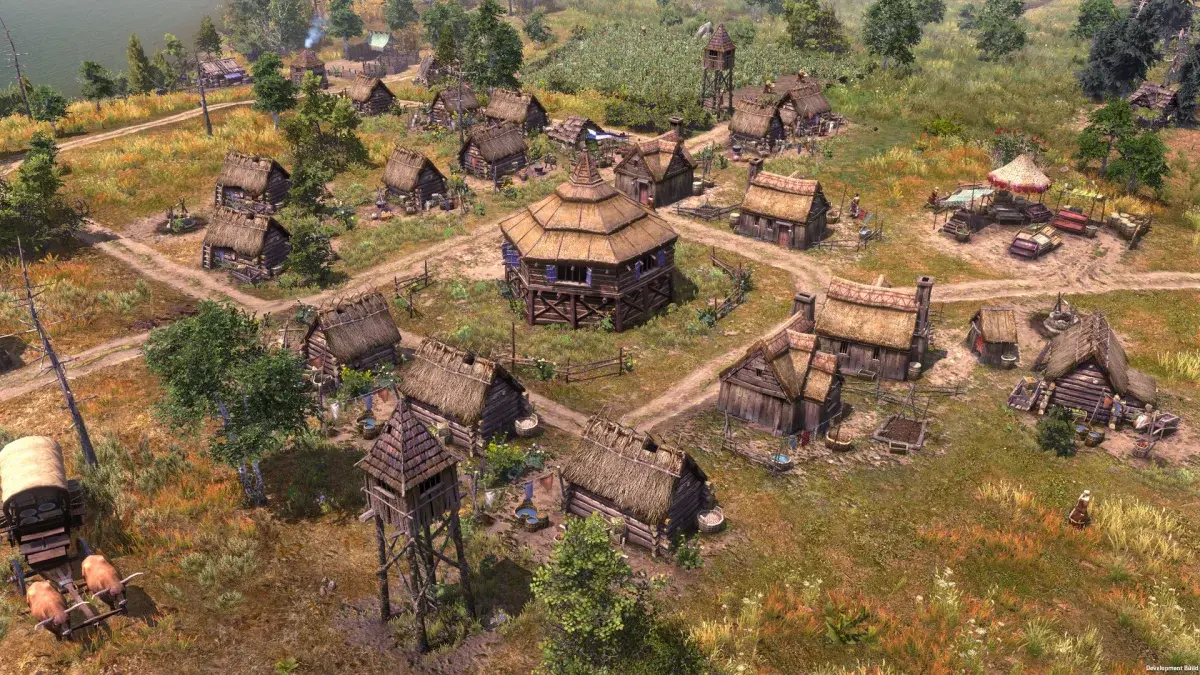
A Settlement Worth Fighting For
Farthest Frontier isn’t for everyone. If you want a relaxing city-builder where you can zone out and watch your town grow, look elsewhere. But if you want a game that makes survival feel genuinely precarious, where every thriving settlement represents dozens of hard-won lessons, this delivers something special.
This is medieval city-building for people who think Banished was too easy. It’s frustrating, occasionally obtuse, and will absolutely destroy your first several attempts. But when your settlement finally thrives—when you’ve mastered crop rotation, survived brutal winters, and repelled raiders from your stone walls—you’ll understand why some of us can’t stop playing. Unforgiving? Yes, but that’s exactly what makes conquering it worthwhile.
This review is based on a retail build of the game provided by the publisher.