 By
By This review follows Output Lag’s comprehensive review methodology.
About Anno 117: Pax Romana
- Developer
- Ubisoft Mainz
- Publisher
- Ubisoft
- Release Date
- November 13, 2025
- Platforms
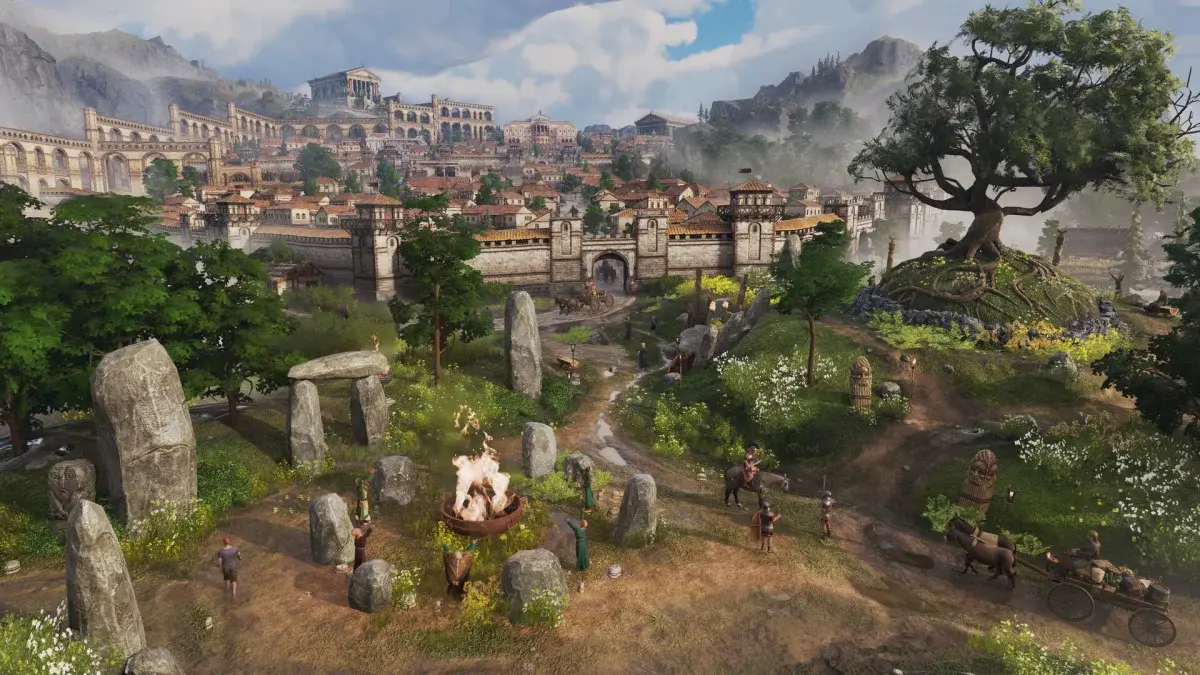
I’ve had a blast running the forum of my fledgling settlement in Latium. Speaking of which, the forum isn’t just a building you can plop down. For me, it was the spark that turned a cluster of mud-brick houses into something that felt alive. Citizens began strolling toward it like they had places to be, bartering goods in the agora, and the moment the first merchant unpacked his wares, I knew Ubisoft had nailed the Roman ambiance. But building a metropolis here isn’t just about slapping down pretty tiles. Every structure cascades effects that ripple through your city. Plunk an aqueduct in the wrong place, and you’ll watch fountains dry up across your entire industrial district by dawn. I lost hours trying to debug why my brickworks were starving for water, only to discover a thermae I’d placed too close was siphoning pressure from the main line. Lesson learned: Rome doesn’t run on whimsy…it runs on ruthless plumbing.
Crafting a Roman Metropolis
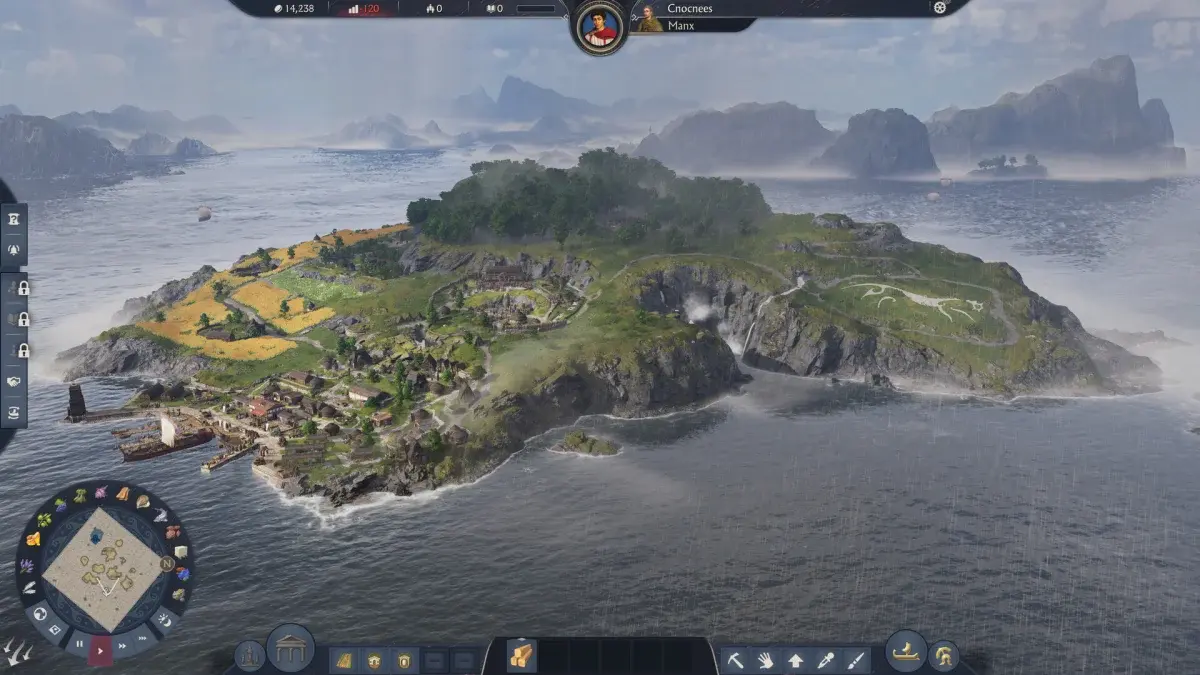
Latium’s resources play cruel favorites in Pax Romana. Italian marble is a godsend for monumental buildings, but extraction sites clog your rivers with debris if you don’t build dredgers immediately. I scrambled to reroute my entire supply chain after a drought reduced my quarries to dust. Meanwhile, Albion’s tin is a double-edged sword. Those Celtic hills spit out enough metal to arm a legion, but mining it attracts raiders who’ll burn your trade routes to ash. I haphazardly poured half my population at one point into defending a single tin convoy, only to have a storm sink my backup fleet. Anno 117 rewards patience, but it punishes complacency.
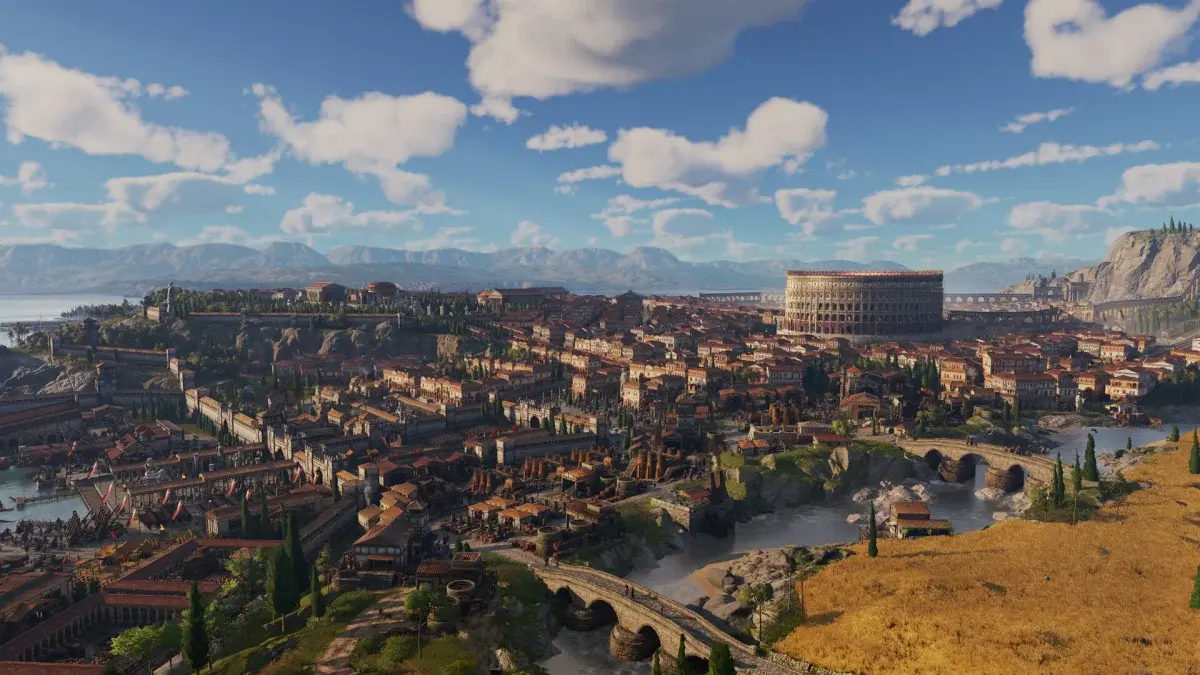
Then there’s the Colosseum. Oh, the Colosseum. I’d been nursing my city toward this beacon of prestige for days, juggling gladiators, grain imports, and the constant threat of slave revolts. When the foundations finally reached completion, I felt like Caesar himself had given the thumbs up. But the cost? Brutal. One misstep in my grain supply (a single delayed shipment from Sicily to be precise) and my crowds turned from cheering spectators to rioters looting the bleachers. That moment, watching flames eat away at my pride project, made me appreciate just how much Anno 117 demands meticulous resource planning moreso than previous entries in the series. Prestige isn’t a trophy; it’s a high-wire act.
Legions and Galleys – Warfare in the Pax Romana
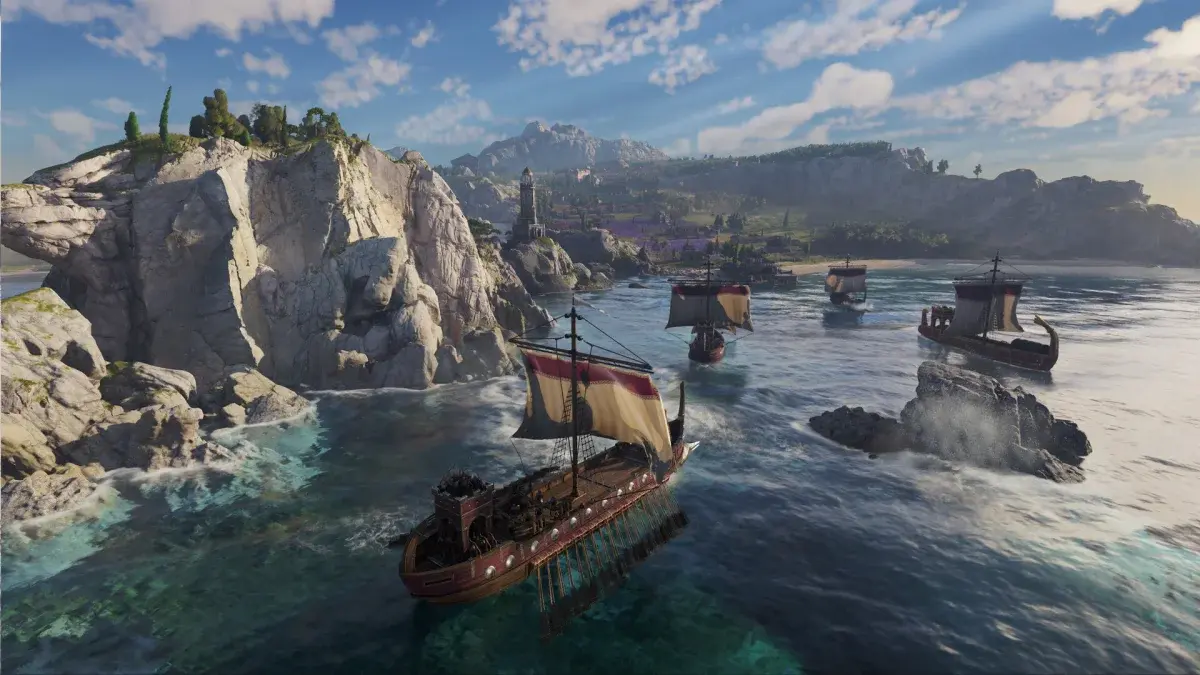
Warfare in Pax Romana isn’t a sidebar like it has been in some previous games in the franchise; it’s a pulse in every decision. Early on, I thought I could skimp on legions, but when Celtic raiders swarmed my Albion coast, and sank my grain transports before I could rally a defense, I learned a brutal lesson. That’s when I learned to respect the trireme. These wooden beasts aren’t just floating platforms, they’re living strategy. I spent plenty of time tinkering with fleet compositions, testing whether triremes with ballistae or speed-optimized skiffs were better for intercepting pirate packs. Turns out, the ballistae triremes shred raider ships but crawl against storms, while the faster ones get torn apart by Roman patrols. It’s a chess match played on the Mediterranean.
On land, the legion recruitment screen feels like a Tactics Ogre wet dream. Each unit has branching upgrades that feel meaningful. I remember the first time I fielded a testudo formation against a rebellion in Latium. Watching those shields lock into a phalanx, absorbing spear charges like a brick wall, was a revelation. But the real “aha” came when I unlocked pilum-throwing velites. Deploying them behind a palisade let me pick off enemy scouts from range, which saved my hide during a surprise Saxon raid. The combat isn’t just “click and hope” which was the fare of others. It’s positioning, unit synergy, and knowing when to retreat before a rout escalates into a massacre.
This campaign missions weave combat seamlessly into city-building. One mission tasked me with pacifying a rebel town on Albion while keeping my main city fed. I had to split my fleet, guard supply routes from sea raiders, and still meet citizen happiness quotas back home. When I finally stormed the rebel fortress and saw the “Pacified Region” notification pop up, it felt earned. And victory isn’t just trophies—it unlocks new building sets. After conquering the British lowlands, I got access to Saxon longhouse designs that boosted worker productivity by 15%. Warfare here isn’t a grind, but rather a gateway to deeper gameplay.
Ascension Through Prestige – Citizen Progression
Citizen progression is where Pax Romana stops feeling like a city builder and starts feeling like a living dynasty. Enrolling your first freedmen in vocational training and then watching them evolve is a real step in the right direction for the series. A bricklayer becomes a master craftsman, earning double wages and reducing construction times. But the real magic unlocks when you build the Lyceum. Suddenly, educated citizens could advance to clerks, then scribes, and finally into the senatorial class. Suddenly your citizens actually become a part of your city, literally writing edicts on tax policy while lounging in a marble villa. Social status isn’t just a cosmetic tag either as it changes building requirements.
The social ladder also forces you to think like a patron. Neglect education, and your workers stagnate. Invest in forums and libraries, and you’ll unlock artisan guilds that produce luxury goods for export. You can shape the destiny of your entire economy toward silk production for example, after citizens base hit “artisan” status, turning Latium from a grain exporter into a high-end textile hub. The prestige system turns city management into a long-term investment strategy, where every happy citizen is a brick in your imperial legacy.
Economic Engines and Fragile Balances
Production chains in Pax Romana are beautiful and terrifying. I’d built a sprawling trade network connecting Latium’s marble quarries and Albion’s tin mines, with grain ships shuttling between my capital. For a while, it hummed like a well-oiled machine. Then a storm sank my grain transports, and watchfulness turned to panic. My citizens started skipping meals, factories halted, and before I could reroute shipments, rioters burned down my market square. That failure spiral was a masterclass in systemic fragility.
The game’s economic systems are a double-edged sword. On one hand, multi-island trade feels rewarding, as it should in this series. Watching a fleet dock with timber and instantly boost construction rates is intoxicating. But over-reliance on single resources is a trap. I learned this the hard way when raids crippled my tin imports. Without those metals, my weapon factories stalled, legions mutinied, and suddenly Albion was on fire. The loop of cause and effect is brilliant when it works, but when it collapses, it feels merciless.
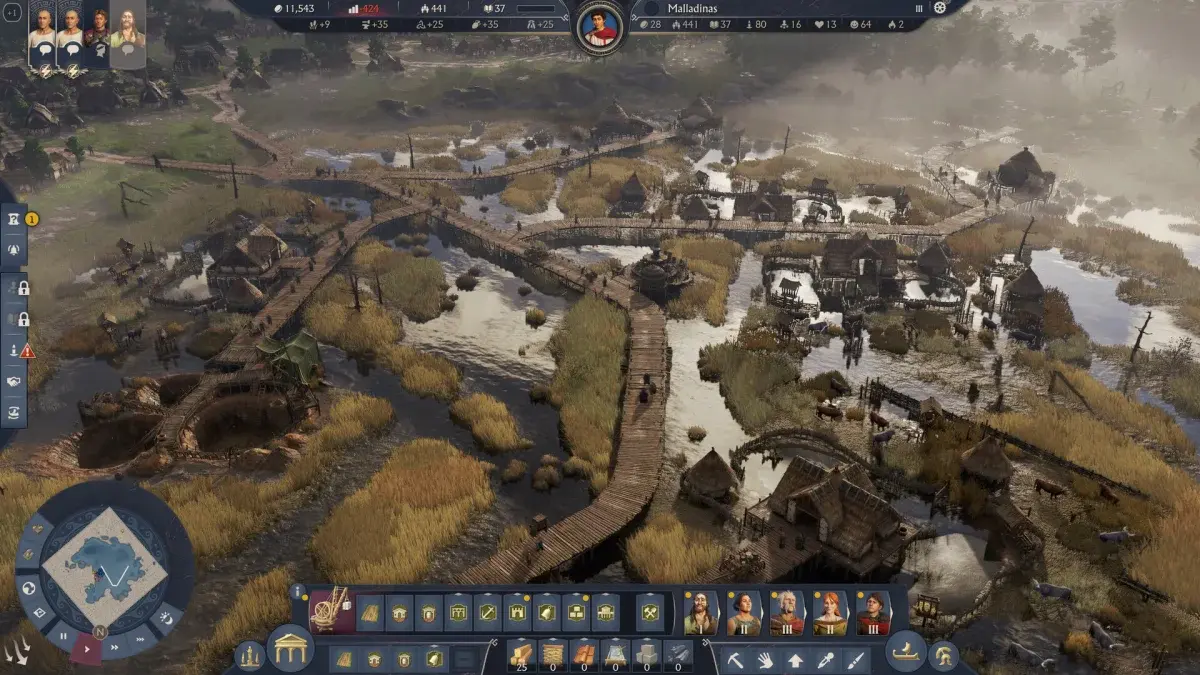
And then there’s the UI. Menu navigation is a battleground. I love the game, but flipping between economic dashboards, military deployment screens, and citizen management feels like juggling six balls while blindfolded. You’ll find yourself needing to reroute a fleet, adjust tax rates, and deploy firefighters—all simultaneously. Ubisoft clearly prioritized depth over clarity with Pax Romana.
A Dynasty Forged in Marble and Strategy
Anno 117: Pax Romana isn’t just a city builder; it’s a living experiment in Roman ambition. After 40 hours of juggling aqueducts, legions, and senatorial egos, I’ve come to accept its flaws as part of its soul. The economic systems may occasionally spiral into chaos, and the menus can feel like navigating a labyrinth with a broken torch, but the moments that shine like watching a trireme fleet scatter raiders, seeing citizens rise from laborers to senators, standing before a completed Colosseum as crowds cheer, are just pure gold. This is a game for lovers of deep systemic play, for those who want to feel the weight of an empire in their hands. If you crave relentless complexity and historical immersion, Pax Romana will embrace you like a mother. It’s worth every marble brick and every frustrated scream at a crashed fleet. Rome wasn’t built in a day, and neither is this masterpiece.
This review is based on a retail build of the game provided by the publisher.