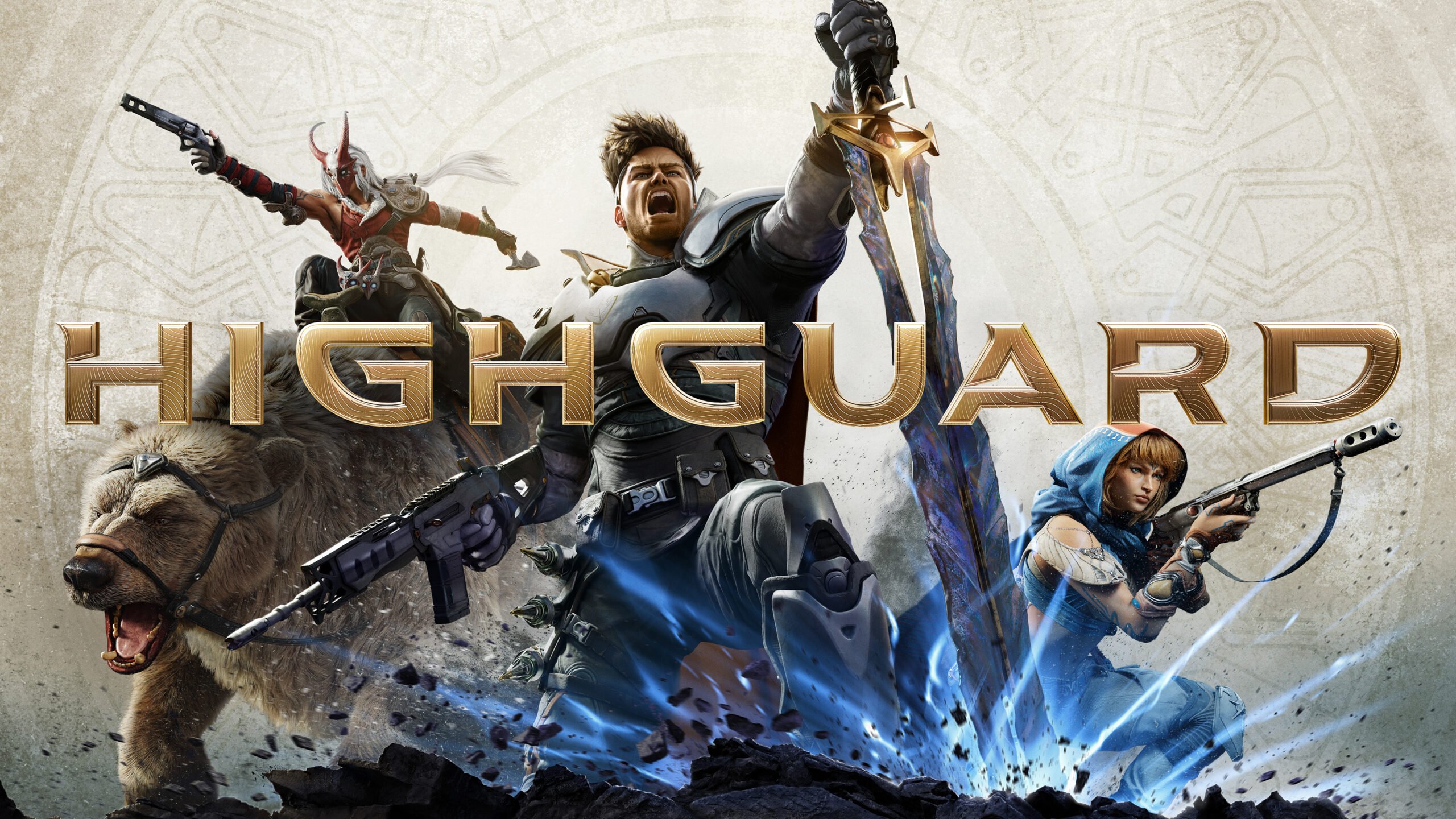

This team behind Apex Legends has been building something new in secret for four years. Tonight at The Game Awards, Wildlight Entertainment finally revealed Highguard—a free-to-play shooter launching in just six weeks with full cross-play across PC, PlayStation 5, and Xbox Series X|S.
From Stealth to Spotlight
Highguard arrives January 26, 2026, marking an unusually tight window between reveal and release. The game is billed as a “PvP raid shooter,” a genre descriptor that immediately raises questions about what exactly players should expect. What we know for certain: it’s free-to-play, supports cross-progression across all platforms from day one, and comes from a studio that’s been operating in complete secrecy since 2021. Wildlight Entertainment chose The Game Awards as their coming-out party, a venue that’s become the de facto stage for major industry announcements. For a debut studio, the exposure is invaluable—but the six-week runway to launch means the team is betting heavily on first impressions.
The studio has promised additional information throughout January leading up to release, suggesting a concentrated marketing blitz rather than the months-long hype cycles most shooters employ. The surprise reveal strategy isn’t accidental. It echoes the launch approach that made Apex Legends a phenomenon back in 2019, when Respawn dropped their battle royale with virtually no warning and watched it explode to 25 million players in its first week. Whether lightning can strike twice for some of the same people who orchestrated that launch remains to be seen.
The Respawn Connection
The pedigree here is legitimate and substantial. Chad Grenier, Wildlight’s co-founder and Game Director, previously served as Game Director on Apex Legends—one of the most successful live-service shooters of the past decade. Co-founder and CEO Dusty Welch rounds out the leadership, with the studio claiming additional veterans from Titanfall and Call of Duty among their ranks, though specific names beyond the co-founders haven’t been disclosed. Grenier’s comments about forming Wildlight hint at creative friction at his former home.
“We created Wildlight because we wanted a game studio where design leads and new games can be built without compromise.”
he stated in the announcement. Reading between the lines, there’s a suggestion that constraints at Respawn—whether corporate, creative, or otherwise—motivated the departure. It’s a familiar refrain from veteran developers who leave major publishers to strike out independently. What’s notable is the scale of ambition here. Grenier explicitly mentioned that “our time on Apex Legends and Titanfall taught us a lot about what it takes to build and sustain a successful franchise.”
This isn’t positioned as a one-and-done project—Wildlight is thinking long-term, which means they’re entering the live-service arena where sustained player engagement and monetization are everything. The free-to-play model essentially requires this mindset, but it’s worth noting the team is swinging for franchise potential from the start.
What’s a ‘PvP Raid Shooter’?
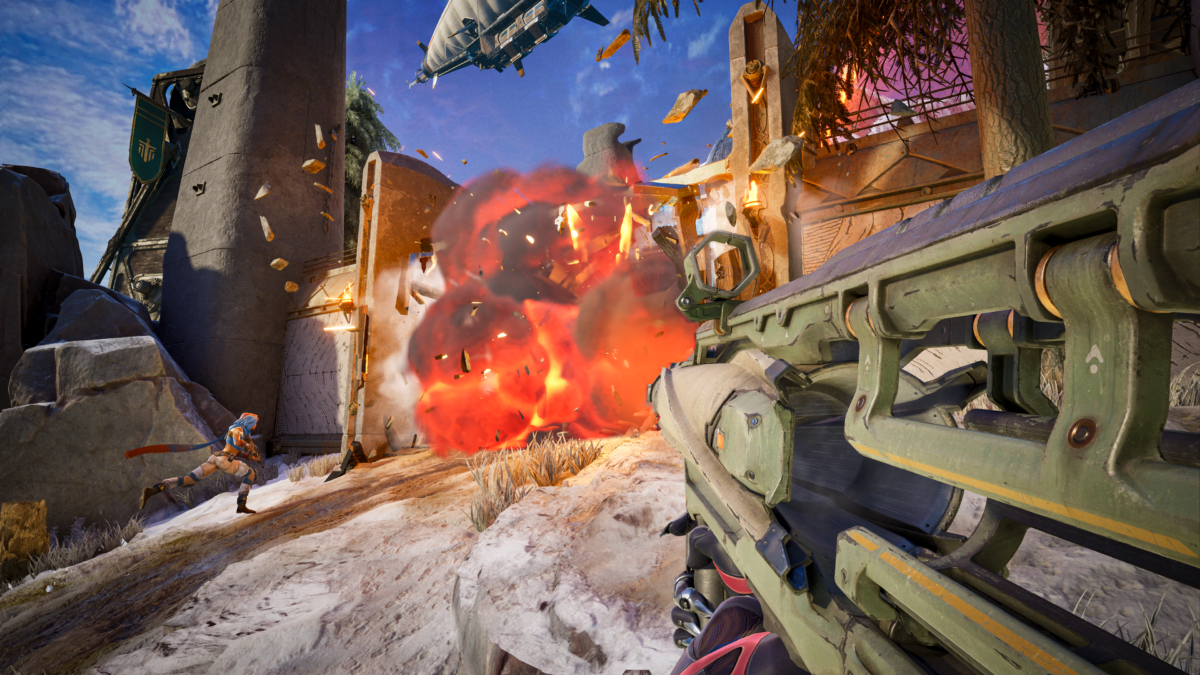
Here’s where things get interesting, and admittedly vague. The “PvP raid shooter” label doesn’t map cleanly onto existing genres. Raids typically refer to cooperative PvE experiences, think Destiny 2’s pinnacle content or MMO endgame. Combining that structure with player-versus-player competition suggests something genuinely different, though Wildlight hasn’t provided enough detail to understand exactly what that looks like in practice.
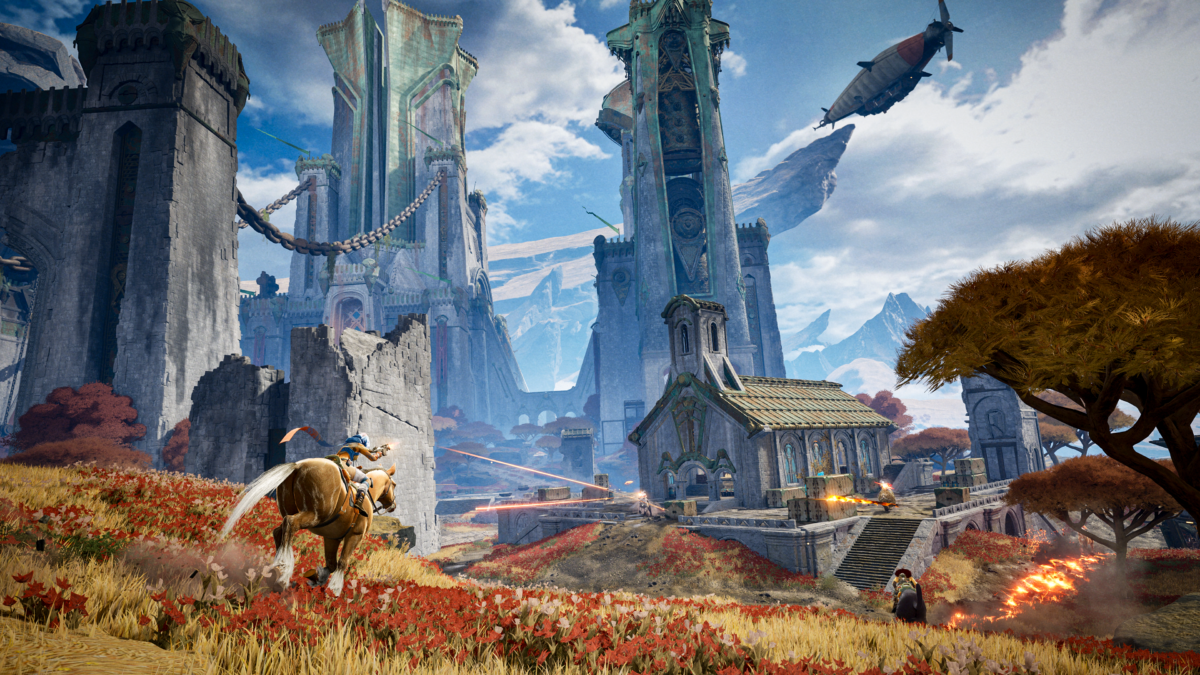
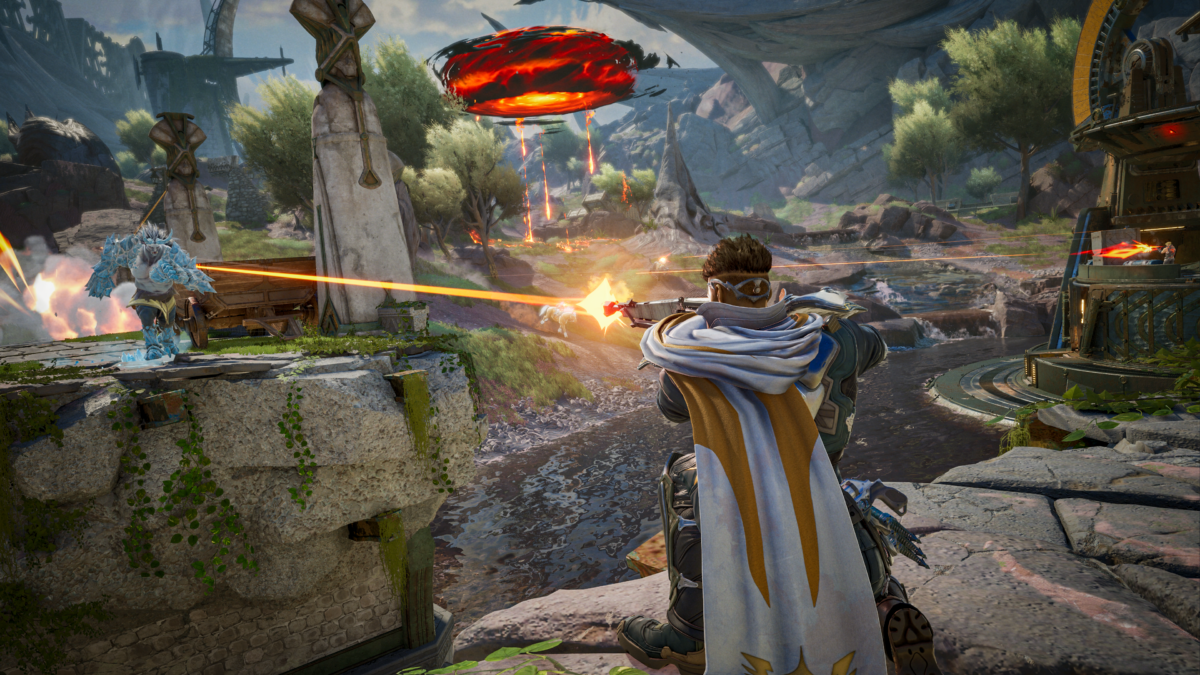
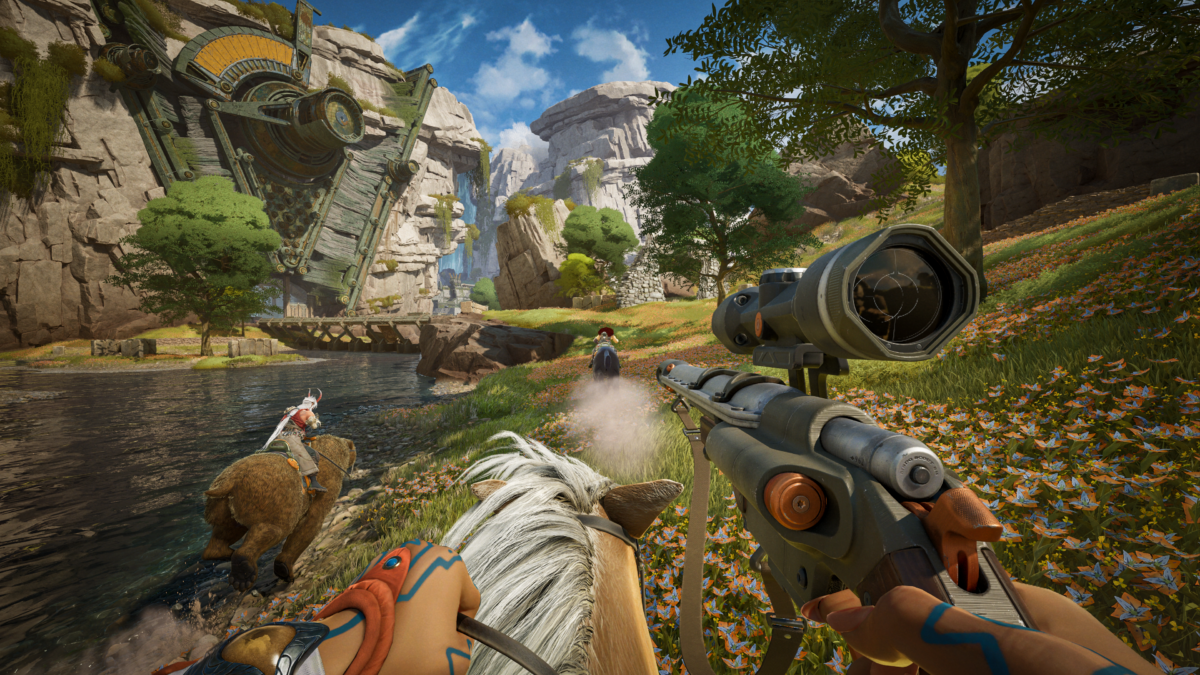
What we do know: players take on the role of “Wardens” fighting for control of a mythical continent. Gameplay centers on controlling something called the Shieldbreaker and destroying enemy bases. This hints at objective-based competitive play with potentially asymmetric goals such as attackers versus defenders, perhaps, or competing teams racing toward the same objective. The base destruction element suggests matches with defined win conditions rather than pure deathmatch, but that’s speculation based on limited information.
The hybrid approach could be brilliant or confusing, depending on execution. Games that successfully blend genres—like how Apex married battle royale with hero shooters—can carve out devoted audiences. But the description is abstract enough that potential players will need to see actual gameplay before they can evaluate whether this is innovation or marketing speak. Wildlight’s January information drip will need to answer these questions quickly if they want momentum heading into launch.
The Six-Week Gamble
Launching a free-to-play shooter in early 2026 means entering one of gaming’s most brutally competitive spaces. Apex Legends itself remains active, Fortnite continues its cultural dominance, and countless other shooters compete for the same player hours and spending. The barrier to trying a F2P game is low, but the barrier to keeping players engaged is extraordinarily high. The compressed timeline is a double-edged sword. On one hand, it generates urgency and mirrors the surprise-launch playbook that worked spectacularly for Apex.
On the other, it leaves minimal time to build community, address feedback from any potential beta tests, or generate the kind of sustained conversation that helps games break through the noise. Wildlight is essentially asking players to trust their track record and show up on day one. For a debut studio—even one staffed with industry veterans—this represents a significant gamble. We don’t know Wildlight’s team size, their funding situation, or their publishing arrangement.
A free-to-play game requires substantial ongoing investment in content, balance updates, and community management. The studio’s ability to sustain Highguard post-launch matters as much as the quality of the January 26 release. Grenier and Welch clearly learned from building Apex Legends, but they also had EA’s resources behind that game. Whether Wildlight can replicate that support structure independently is an open question.
What We’re Still Waiting to Learn
The announcement leaves significant gaps. Monetization details beyond “free-to-play” remain unaddressed. Is this cosmetic-only? Battle pass? The specifics matter enormously to players burned by aggressive monetization in other games. We also don’t know player counts per match, whether there’s a competitive ranked mode planned, or what the content roadmap looks like beyond launch.
January will be busy for Wildlight. They’ve committed to sharing more information throughout the month, which means we should get gameplay footage, deeper mechanical explanations, and hopefully answers to the monetization question before players commit their time. For now, Highguard sits in an intriguing position: proven talent, novel genre pitch, aggressive timeline, and a lot of blanks yet to be filled in. We’ll be watching closely as launch approaches!