 By
By This review follows Output Lag’s comprehensive review methodology.
About Laysara: Summit Kingdom
- Developer
- Quite OK Games
- Publisher
- Future Friends Games, Quite OK Games
- Release Date
- February 27, 2026
- Platforms
Let’s get cozy gamers!
I placed my first lumber mill on a narrow ledge, watched my villagers haul wood up a winding path carved into the cliffside, and felt something click. This wasn’t just another city builder where I stamp down buildings on flat terrain and optimize grid layouts. Laysara: Summit Kingdom from Quite OK Games had me thinking vertically, planning upward, building a kingdom that literally climbs toward the clouds. And somewhere between my third settlement and my first successfully deflected avalanche, I realized I’d found something special.
Peak Performance: Building on the Slopes
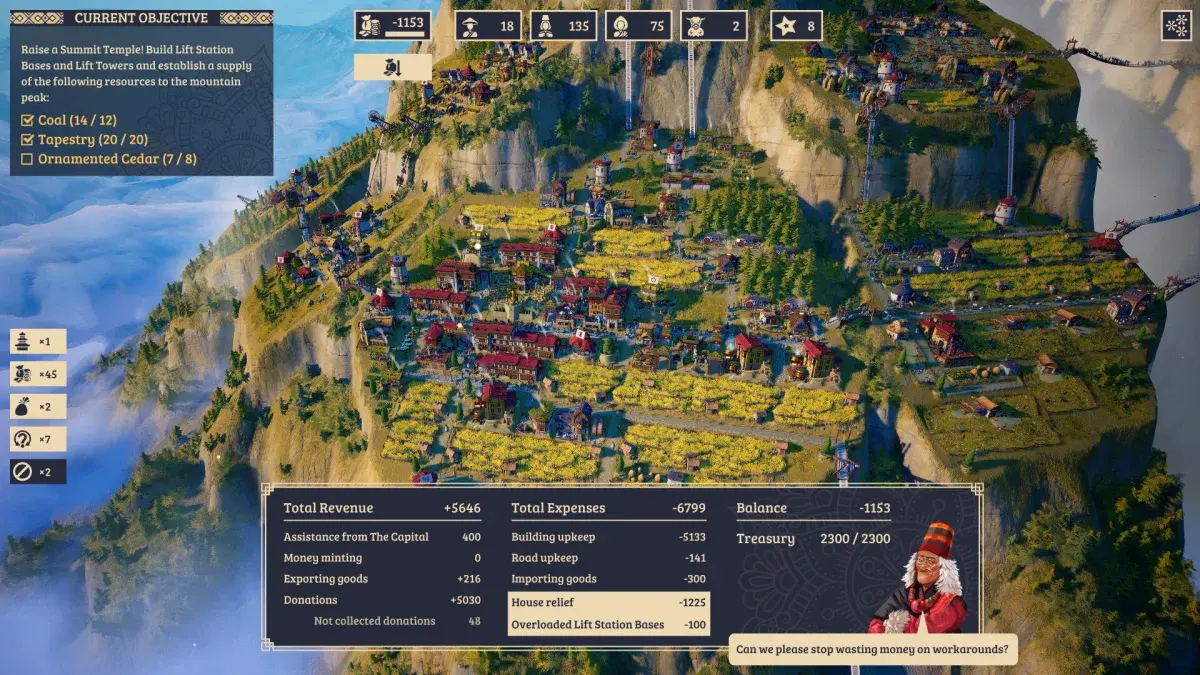
O.M.G. The terrain in this game isn’t just a backdrop. It’s the entire personality. Every building placement becomes a little puzzle because you’re working with elevation, slope angles, and the natural contours of the mountain. I spent a good twenty minutes figuring out where to place my first granary because flat ground is precious real estate up here. When I finally nestled it into a natural plateau and connected it to my farms below via a switchback road, the satisfaction was chef’s… wait, no. The satisfaction was like finally getting that one stubborn crop to grow in Stardew Valley.
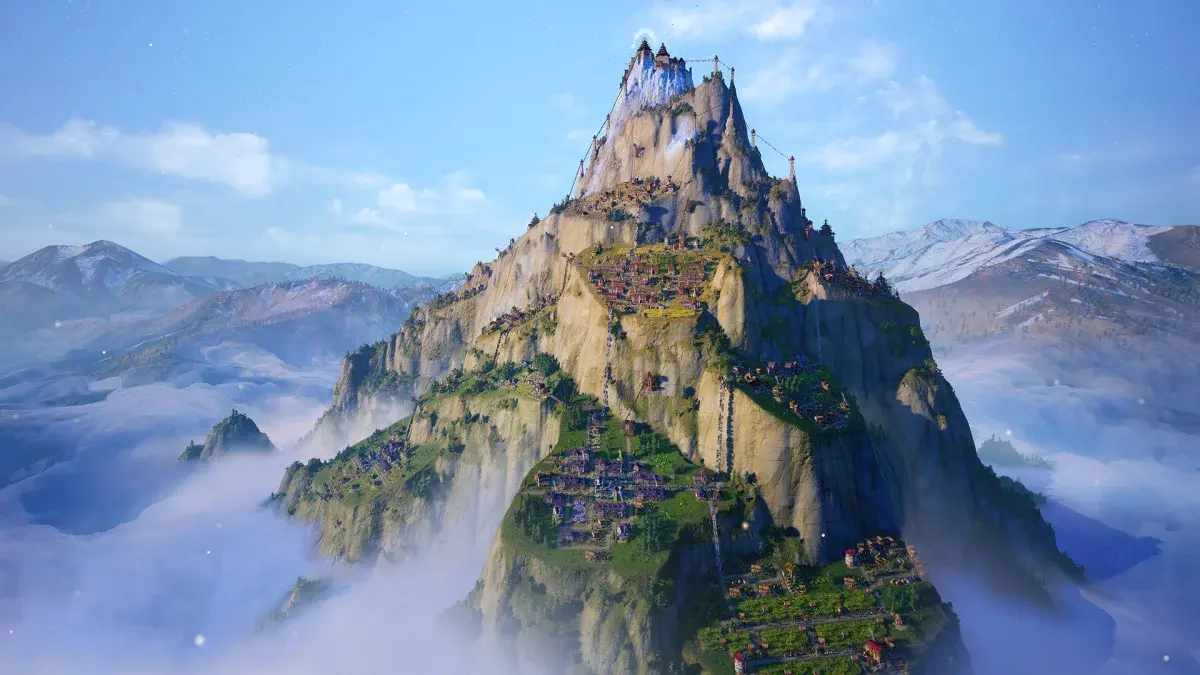
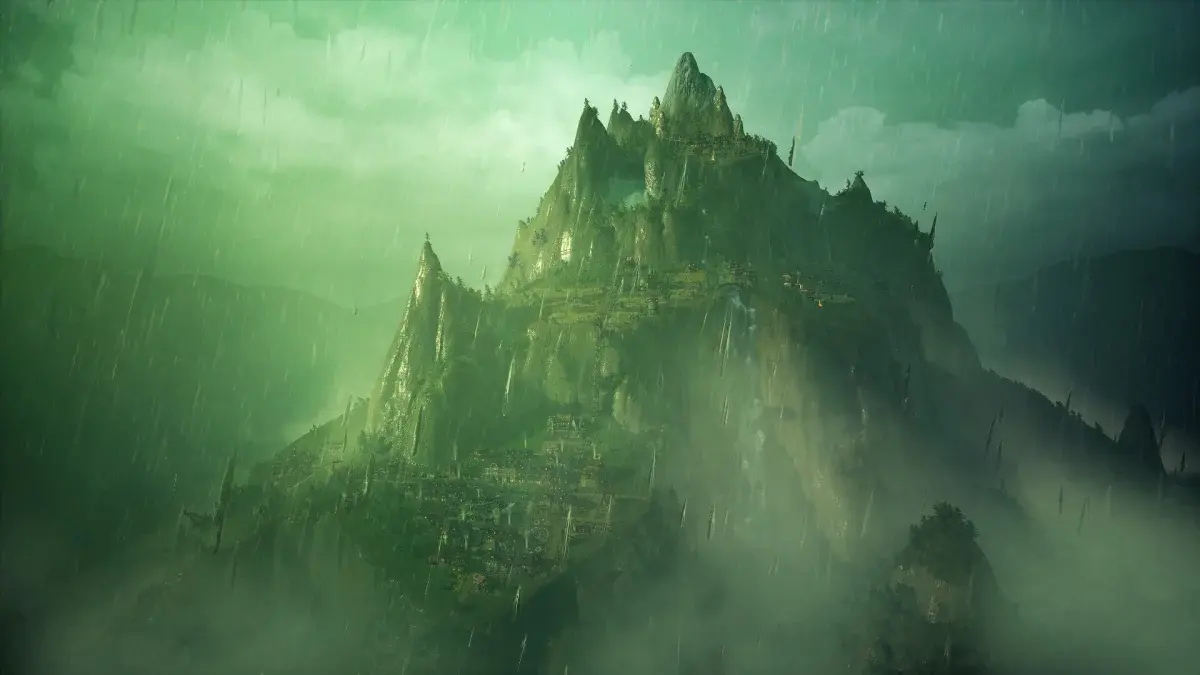
What strikes me most is how the verticality changes your entire strategic approach. In most city builders, expansion means spreading outward. Here, you’re climbing. You’re building terraced housing that clings to rock faces, constructing bridges that span chasms, and always keeping one eye on the peaks above. Watching your kingdom grow isn’t just satisfying because of the numbers going up. It’s visually stunning to see your settlements cascade down the mountainside like a waterfall of rooftops and chimneys.
Laysara: Summit Kingdom’s visual charm can’t be overstated. Literal definition of too cute. Snow-capped peaks frame your growing civilization, and the way buildings adapt to the terrain rather than flattening it creates this organic, lived-in aesthetic that makes every screenshot feel like concept art.
Snow Problem: Surviving Mother Nature
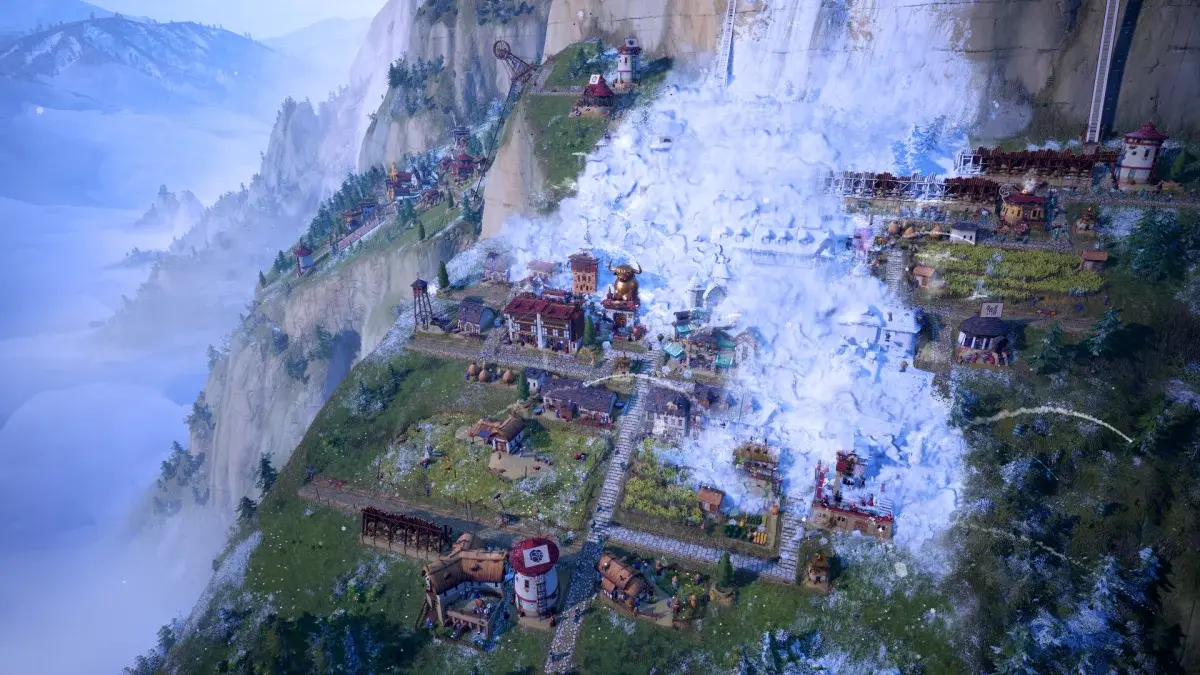
Here’s where Laysara plants its flag and says “we’re doing something different.” Avalanches aren’t just random disasters that wreck your progress. They’re readable, manageable threats that add genuine stakes to your building decisions. I learned this lesson when I built a gorgeous mining outpost directly below a steep, snow-heavy slope. The warning signs were there. I just didn’t know how to read them yet.
This avalanche prevention systems become second nature once you understand them. You build barriers, redirect snow accumulation, and plan your settlements with disaster mitigation in mind. When I finally nailed my first major avalanche deflection, watching the wall of snow split around my carefully placed barriers and harmlessly tumble into an empty ravine, I actually pumped my fist. That’s the kind of tension this game creates without ever feeling punishing or unfair.
Weather events beyond avalanches keep you attentive too. Storms roll in, temperatures drop, and suddenly your supply chains need to account for conditions you might not have planned for. But the game gives you tools to prepare, and learning to read the mountain’s moods becomes part of the cozy rhythm rather than a source of frustration.
A Kingdom Divided (In a Good Way)
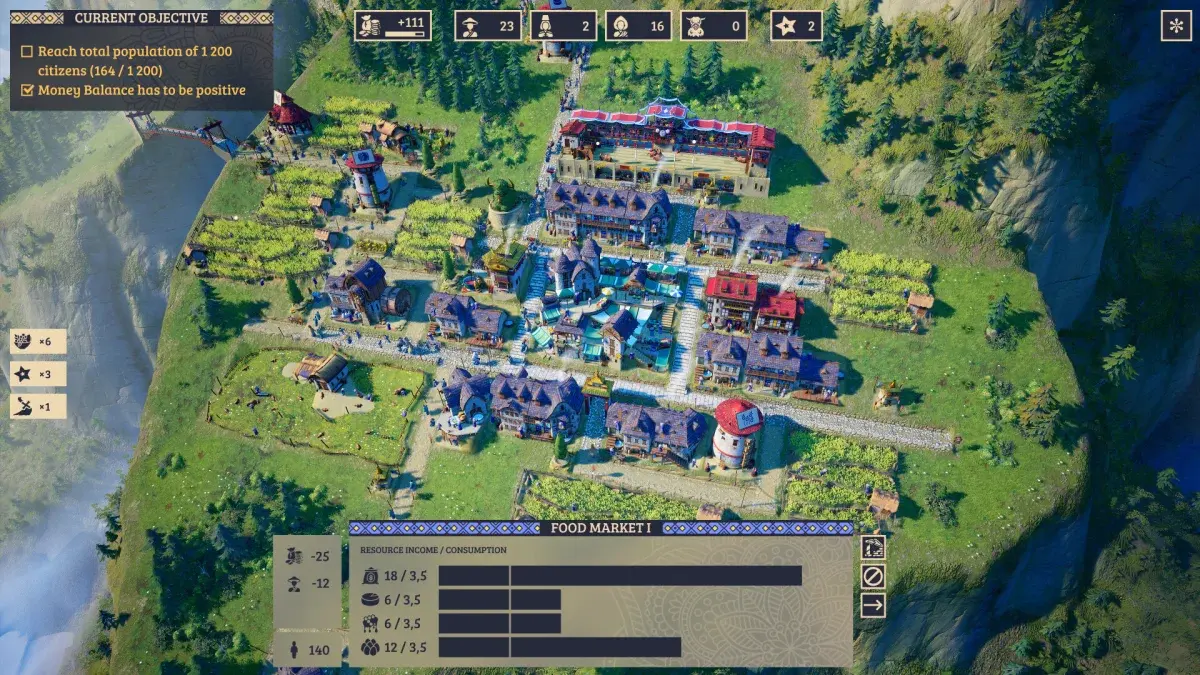
The three-caste society system initially made me nervous. Managing one population’s needs is standard fare, but three distinct groups with different requirements? That sounded like homework. Turns out it’s actually one of the game’s cleverest additions, adding layers without adding stress.
Each caste has its own needs, its own role in your economy, and its own preferred living conditions. Balancing them feels less like spinning plates and more like conducting a small orchestra. The workers need basic amenities and proximity to their jobs. The merchants want access to trade routes and comfortable housing. The nobles demand luxury goods and scenic views. When all three groups are thriving, your settlement hums with activity that feels genuinely harmonious.
What I appreciate most is how the social dynamics feed back into your resource management. You can’t just optimize for production. You need happy people to keep that production running. It’s a gentle reminder that you’re building communities, not just economic engines.
Trading Up the Mountain
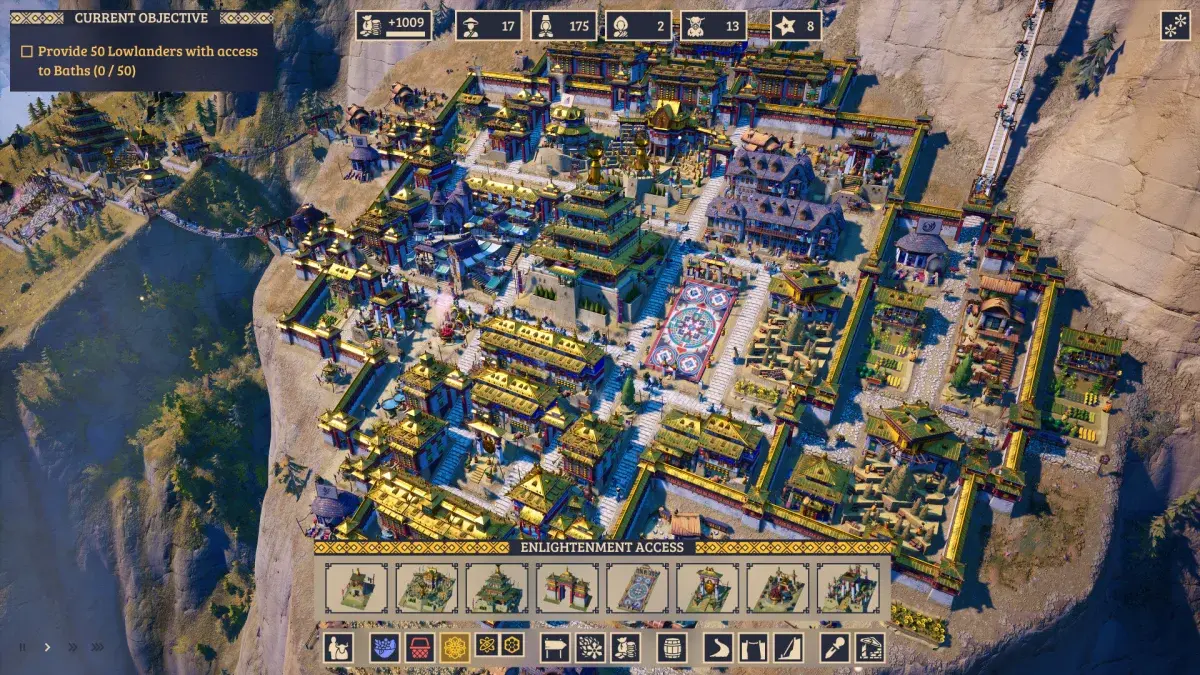
Single settlements are satisfying, but Laysara really blooms when you start building a network of interconnected towns. Your mining outpost on the eastern peak produces ore that your smithing town to the west desperately needs. Your farming valley feeds everyone. The trade routes you establish between them feel meaningful because the dependencies are real.
Production chains hit that sweet spot between depth and accessibility. They’re complex enough to engage your brain but not so convoluted that you need spreadsheets to track everything. Each chain makes logical sense, and watching resources flow through your kingdom-wide network scratches an itch I didn’t know I had.
The campaign mode offers structured challenges that teach you the systems gradually, while sandbox mode lets you build your mountain empire however you see fit. I bounced between both depending on my mood, and both feel complete rather than one being an afterthought.
The Summit of Cozy Strategy
Laysara: Summit Kingdom carves out its own niche by taking a familiar genre and literally tilting it ninety degrees. The mountain terrain isn’t a gimmick. It fundamentally changes how you approach city building, and the avalanche systems add just enough danger to keep you engaged without disrupting the cozy vibes. At $24.99, it’s an easy recommendation for anyone who loves building things and watching them thrive.
Newcomers to city builders might find the learning curve a bit steep (pun absolutely intended), and if you’re hoping for biome variety beyond mountains, you might want more. But for those of us who want a fresh take on a beloved genre, this is peak cozy strategy. Stay cozy gamers!
Score: 8/10
Credit where it’s due, Pros: Mountain terrain building is genuinely innovative and fun; Avalanche system adds perfect tension without frustration; Deep but accessible production chains
Cons: Learning curve might feel steep for city-builder newcomers; Limited platform availability (PC only for now); Some may want more variety in biomes beyond mountains