 By
By This review follows Output Lag’s comprehensive review methodology.
About Forestrike
- Developer
- Skeleton Crew Studio
- Publisher
- Devolver Digital
- Release Date
- November 17, 2025
- Platforms
Lately, I’ve been living life at double speed—bouncing between games with quick, snappy rounds, jumping from meeting to meeting during my workday. Each activity delivers its hit of instant dopamine, creating an endless hunger: more points, more credits, faster rounds, higher scores. I’d been finding it increasingly difficult to pick up any game, movie, or show and actually absorb the dialogue. My fingers would instinctively reach for the skip button, or my mind would blank out entirely until something explosive demanded my attention.
This is the rhythm many of us find ourselves trapped in—speed-walking through life, missing the intricate details and quiet value that comes from taking things step by step. Who would’ve thought the cure would arrive in the form of Devolver Digital’s newest rage-inducing masterpiece: the martial arts roguelite, Forestrike.
When I mention Devolver and martial arts roguelite in the same breath, you might feel that glimmer of Katana Zero hope that I, too, initially experienced. Let me be clear: Forestrike is not Katana Zero by any stretch. Instead, it marries the calculated patience of chess with the combo mastery of Sifu, creating what feels like a meditative puzzle-fighter that forces you to think before you strike.
The Art of Foresight
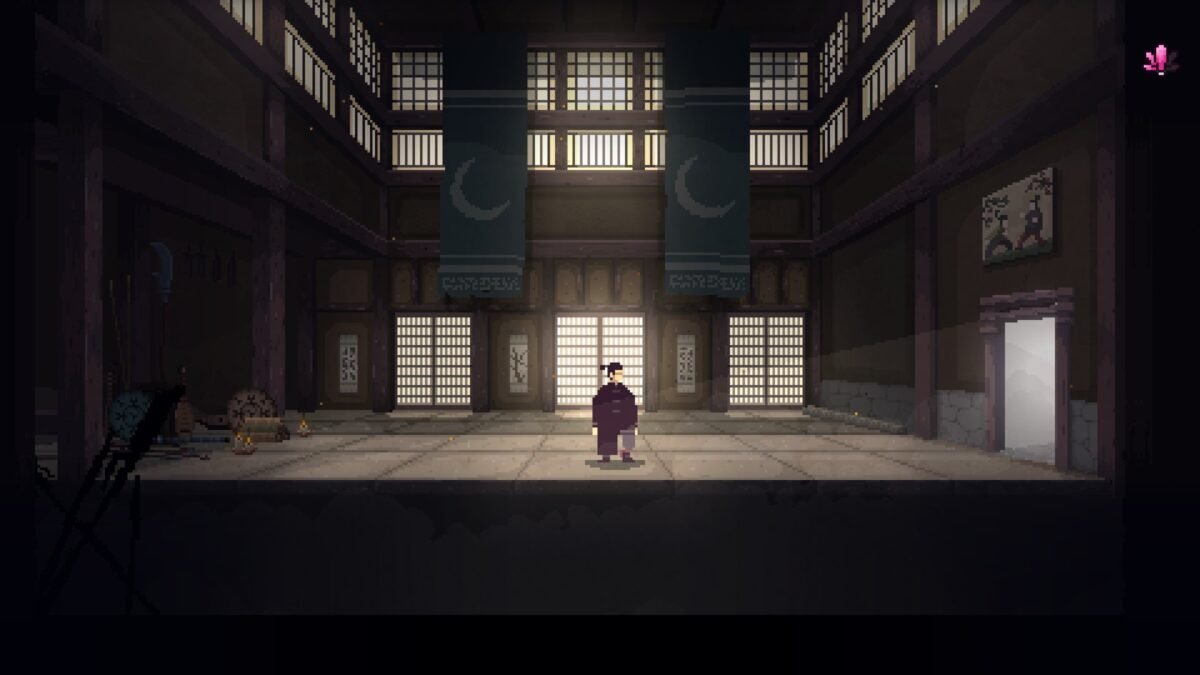
Forestrike doesn’t just ask you to slow down—it demands it. Every encounter becomes a puzzle where you can mentally rehearse the fight as many times as you need through the game’s signature “Foresight” mechanic. Picture this: you’re surrounded by enemies in a fixed arena, and before committing to the real fight, you can practice endlessly in your mind, testing different approaches until you find the perfect sequence. It’s like playing out a martial arts movie choreography in your head before performing it for real.
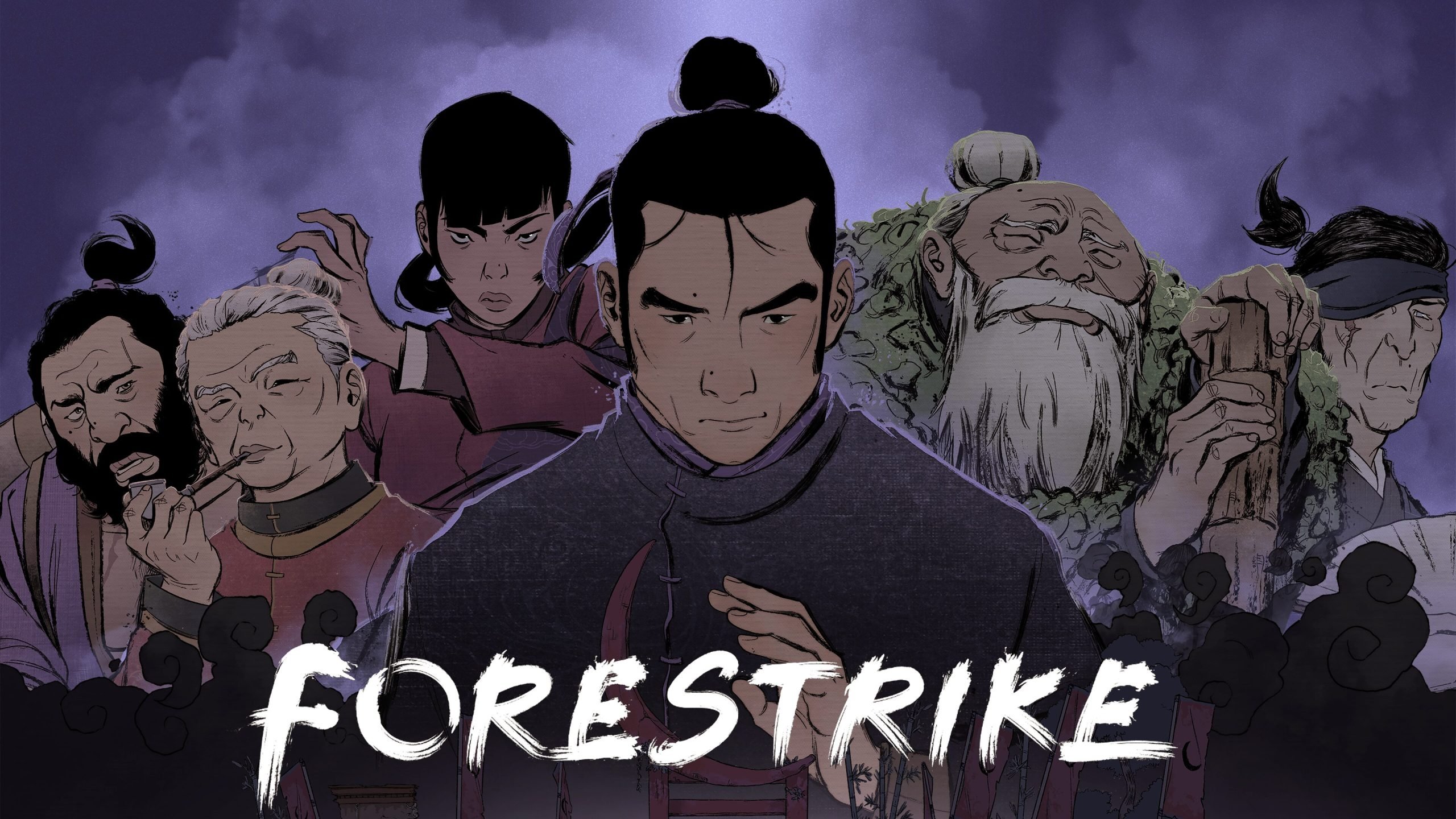
The game’s central conceit is deceptively simple. You play as Yu, a martial artist traveling across the land to free the Emperor from an evil Admiral’s influence. Each combat encounter presents you with a group of enemies—typically four to six—all with predetermined attack patterns and behaviors. The twist? You get to use Foresight to practice the fight over and over, learning when enemies charge, when they throw weapons, when they block. Once you think you’ve mastered the choreography, you commit to the real fight. But here’s the catch: if you fail in reality, your entire run ends and you start from scratch.
What makes Forestrike special isn’t just this rehearsal mechanic—it’s how the game forces you to internalize enemy patterns, to read each battlefield like sheet music, anticipating beats and measures ahead. Each arena becomes a deadly composition you must learn to perform flawlessly.
Masters of the Craft
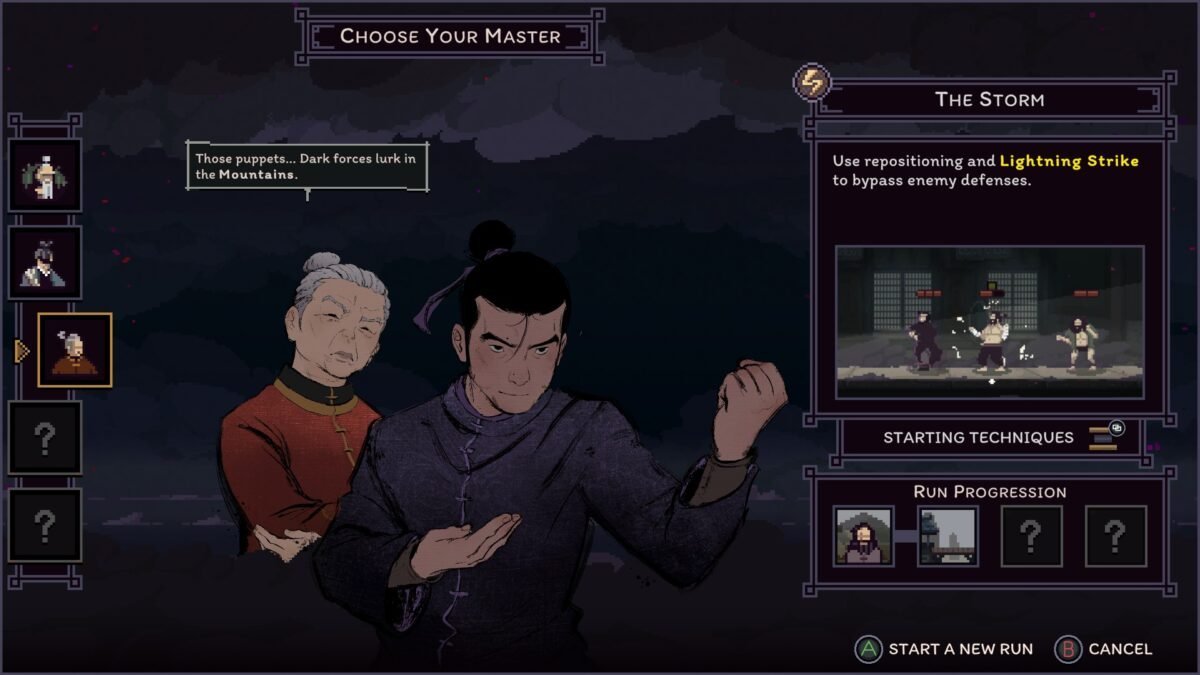
The game offers variety through its roster of five masters, each bringing their own combat philosophy to the frozen battlefield. Initially, I struggled with the Leaf master’s defensive, redirection-focused style. This approach—using enemies’ attacks against each other—felt at odds with my ingrained impatience. I experimented with the Monkey style, whose unpredictable feints and thrown weapons could keep enemies at bay, but found myself constantly out of position.
Then I discovered the Storm master, and everything changed. This master spoke my language: aggressive mobility paired with devastating force. Their dodge ability let me slip through enemy formations like lightning, while their powerful strikes could shatter through blocks and defenses that would stop other masters cold. Suddenly, my impatience became an asset. I could dart in, unleash thunderous blows that cracked through guards, and dodge away before retaliation.
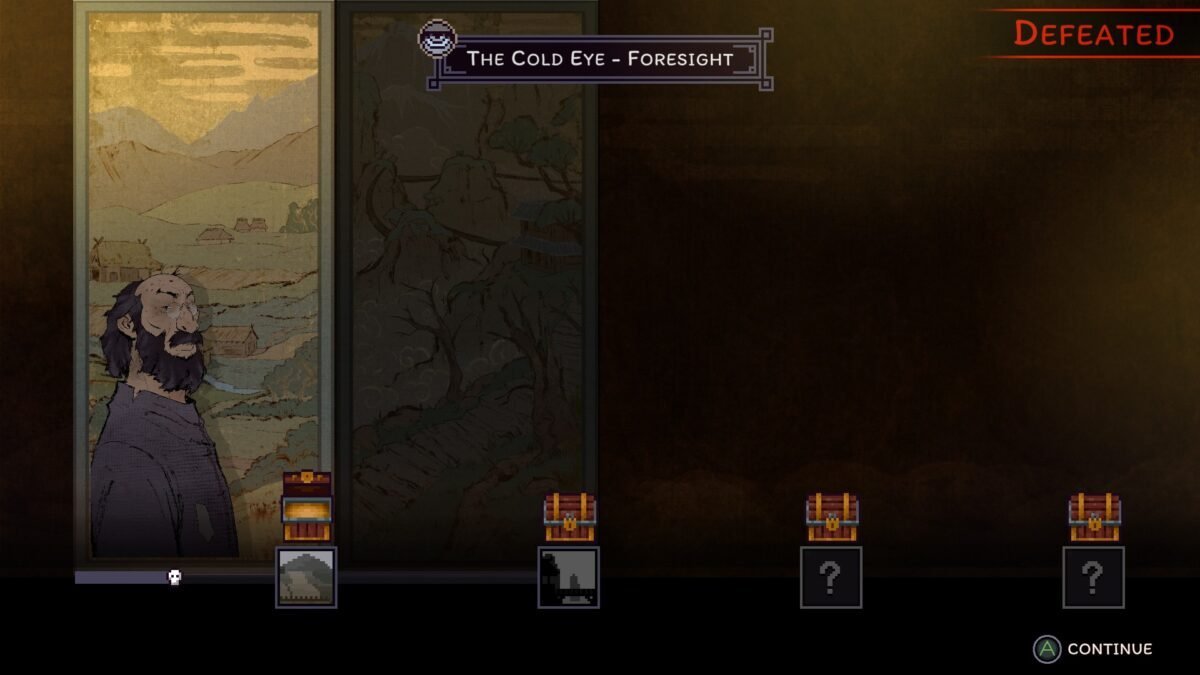
The Storm master didn’t make the game easier—it made it fit my instincts. Where other masters like Cold Eye asked me to wait for the perfect defensive opening to restore health through blocks, the Storm style rewarded calculated aggression. I could create my own openings, turning my restless energy into a weapon rather than fighting against it.
The Agony and the Ecstasy
Let me paint you a picture of my first boss encounter. Five hours. That’s how long I spent on that single fight, dying and restarting, dying and restarting, each attempt teaching me another microsecond of timing, another pixel of positioning. Even with my Storm master’s mobility, the boss would sweep left—I’d dodge right and die to the follow-up. Next run: dodge right, then backstep—dead to the third attack I didn’t know existed.
By hour three, I could predict the first two phases perfectly, moving through them like a memorized dance. By hour four, I was reaching the final phase consistently, only to discover an entirely new pattern that shattered everything I thought I knew. My controller bore the sweat of my palms. My jaw ached from clenching. I wanted to quit. I wanted to throw something. I wanted to beat this goddamn boss more than I’d wanted anything in months.
And then, at hour five, it clicked. Every movement flowed into the next, every strike perfectly timed to break guards, every dodge precisely placed. When that final blow landed and the boss finally fell, the euphoria that flooded through me was unlike anything I’d felt in gaming recently. Not the quick hit of a loot box or the mild satisfaction of a level up—this was earned, pure and profound. I had to step away from the screen just to process what I’d accomplished.
Here’s where that forced deceleration becomes therapeutic. In a world designed to fracture our attention into ever-smaller pieces, Forestrike demands complete presence. There’s no button-mashing your way through encounters. No grinding levels to overpower challenges. Just you, the enemies, and the mental space where strategy lives.
The game’s difficulty is unforgiving in the way only the best puzzle games can be. Death comes swift and often, but each failure teaches you something essential. That enemy always moves two spaces after attacking. This one telegraphs its charge by turning red. Patterns emerge from chaos, and suddenly you’re not just playing—you’re conducting.
I found myself spending minutes staring at a single frozen scene during Foresight, working through possibilities like a grandmaster contemplating their next move. The satisfaction when a plan comes together—when you chain movements and attacks to clear a room without taking a single hit—rivals anything I’ve felt in more traditionally “exciting” games.
Finding Focus in Frustration
Forestrike won’t be for everyone. It’s a game that asks you to find zen in repetition, to embrace failure as a teacher rather than an enemy. For players accustomed to constant stimulation and immediate rewards, it might feel like trying to read a book in a language you’re still learning—slow, sometimes frustrating, but ultimately enriching.
The game even takes this philosophy to its ultimate conclusion: once you’ve beaten runs with all five masters, you unlock “Reality Runs” where Foresight is completely disabled, forcing you to rely entirely on the muscle memory and pattern recognition you’ve developed. It’s the game asking you to transcend your safety net entirely.
Yet for those of us caught in the dopamine treadmill of modern gaming, Forestrike offers something increasingly rare: the opportunity to be fully present. Each death isn’t a setback but a lesson. Each victory isn’t luck but earned understanding.
The game reminded me why I fell in love with gaming in the first place—not for the points or achievements, but for those moments of perfect flow where thought becomes action becomes success. In forcing me to slow down, Forestrike helped me remember how to truly pay attention again.
Devolver Digital has published another quietly revolutionary title. While it may not have the narrative flair of Katana Zero or the immediate satisfaction of a traditional action game, Forestrike offers something perhaps more valuable: a masterclass in patience, pattern recognition, and the profound satisfaction that comes from truly mastering a challenge.
In an industry obsessed with bigger, faster, and more, Forestrike dares to ask: what if we just… stopped?
This review is based on a retail build of the game provided by the publisher.