 By
By This review follows Output Lag’s comprehensive review methodology.
About Blossom: The Seed of Life
- Developer
- Pebbledust Games
- Publisher
- Pretty Soon
- Release Date
- March 9, 2026
- Platforms
I watched my first raindrop fall on Mars and burst into tears. Okay, maybe not actual tears, but something close. I’d spent hours adjusting atmospheric pressure, tweaking temperature gauges, and building machines that pumped gases into the sky. When that single drop hit the rusty red soil and a tiny puddle formed, I felt like I’d accomplished something genuinely meaningful. Blossom: The Seed of Life from Pebbledust Games handed me a dead planet and a robot the size of a coffee maker, then asked me to perform a miracle. And somehow, against all odds, it made that miracle feel cozy.
From Dust to Daisies: The Art of Planetary Gardening
Blossom: The Seed of Life’s terraforming system in Blossom works like the world’s most satisfying science experiment. You’re not just clicking buttons and watching numbers go up. You’re physically placing machines that alter pressure, temperature, and atmospheric composition, then watching the landscape respond in real time. My first major breakthrough came when I finally got the pressure high enough for liquid water to exist. The game didn’t celebrate with a cutscene or achievement popup. Instead, I noticed moisture collecting in a low valley, pooling together, forming something that looked suspiciously like a pond. O.M.G. Literal definition of too cute.
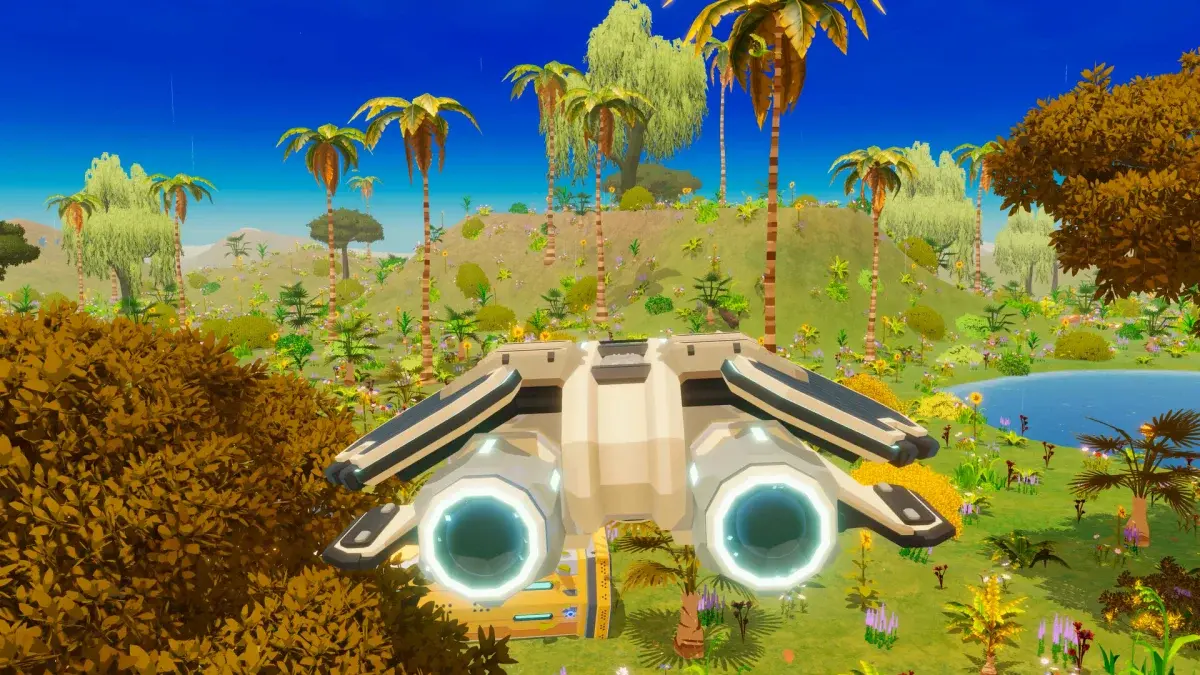
What makes this work is how visible your progress becomes. Barren rock gives way to soil. Soil sprouts moss. Moss becomes grass, then shrubs, then actual trees. I spent an embarrassing amount of time just sitting on a ridge watching my forest grow, like a proud plant parent who finally got their fiddle leaf fig to stop dying. The progression feels earned because you understand the chain of cause and effect. You didn’t just unlock the “forest” upgrade. You created conditions where forests could exist.
Little Robot, Big Dreams
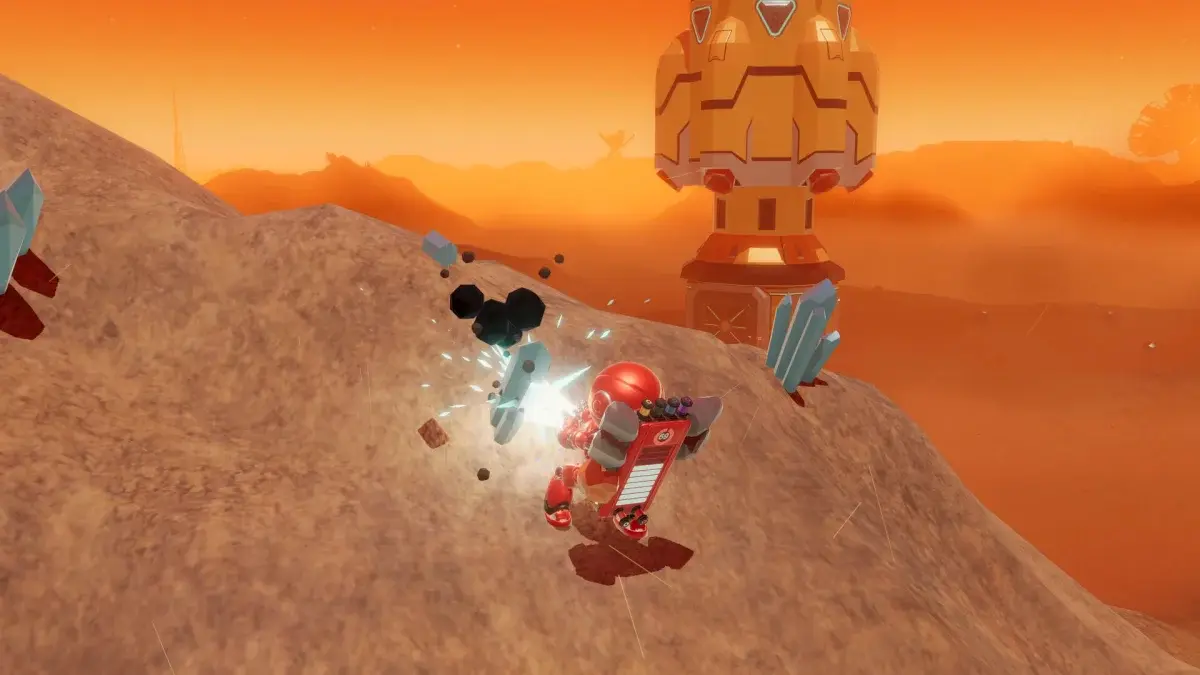
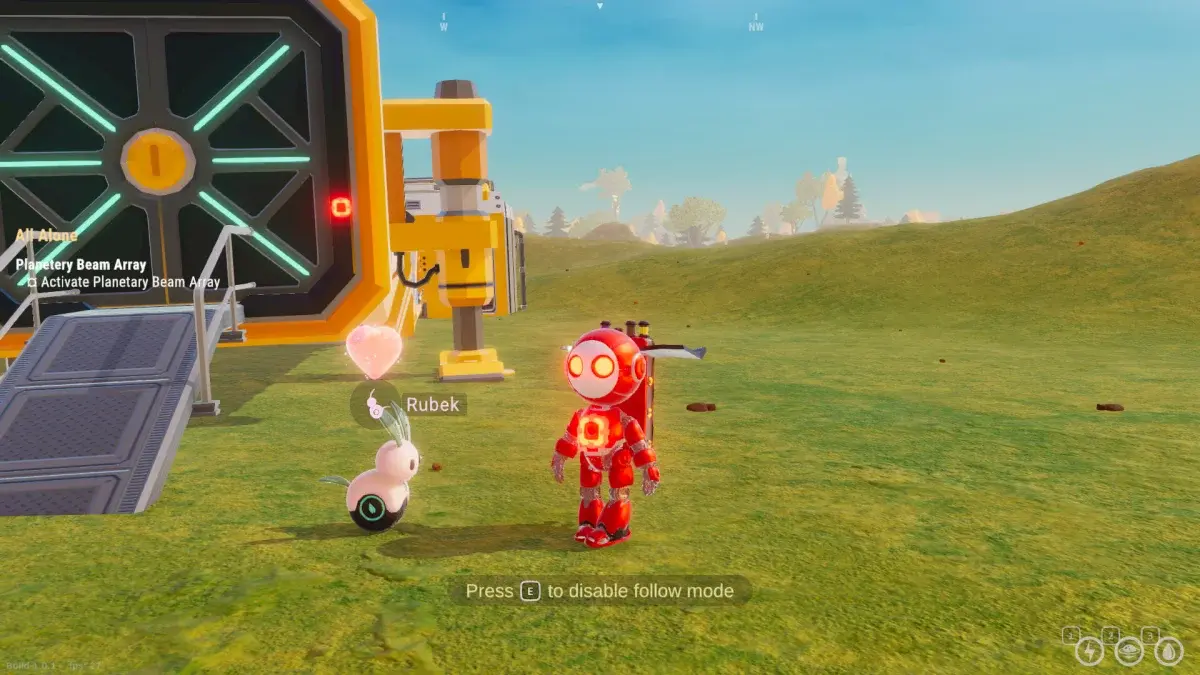
Playing as Blossom feels like being the most determined Roomba in the solar system. You’re small, you’re round, and you’ve a job to do. The exploration loop sends you into ancient ruins scattered across the planet’s surface, hunting for resources and technology left behind by whoever lived here before everything went wrong. These ruins tell environmental stories without exposition dumps, and I found myself piecing together what happened simply by observing the spaces I moved through.
This survival elements hit a sweet spot I rarely see in the genre. You need resources, you’ve limits, but the game never feels punishing about it. Running low on power meant I had to plan my expeditions more carefully, not that I’d lose hours of progress. When I discovered a shortcut through a collapsed structure that saved me a twenty-minute trek back to base, nobody told me it was there. I just noticed a gap, squeezed through, and felt clever. That’s the kind of discovery that keeps me exploring.
The lack of hand-holding extends to almost everything. The game trusts you to experiment, fail, learn, and try again. My first atmospheric processor pointed in completely the wrong direction, which I only realized after wondering why the temperature readings weren’t changing. Lesson learned, processor repositioned, and I actually remembered what I’d figured out because I’d figured it out myself.
Building Your Way to a Better World
Crafting in Blossom serves the terraforming goal rather than existing as busywork. Every machine you build does something tangible to the world around you. I never found myself making seventeen wooden pickaxes just to unlock the stone pickaxe. Instead, I built an oxygen generator because I needed oxygen, placed it where it would do the most good, and watched my atmospheric readings shift accordingly.
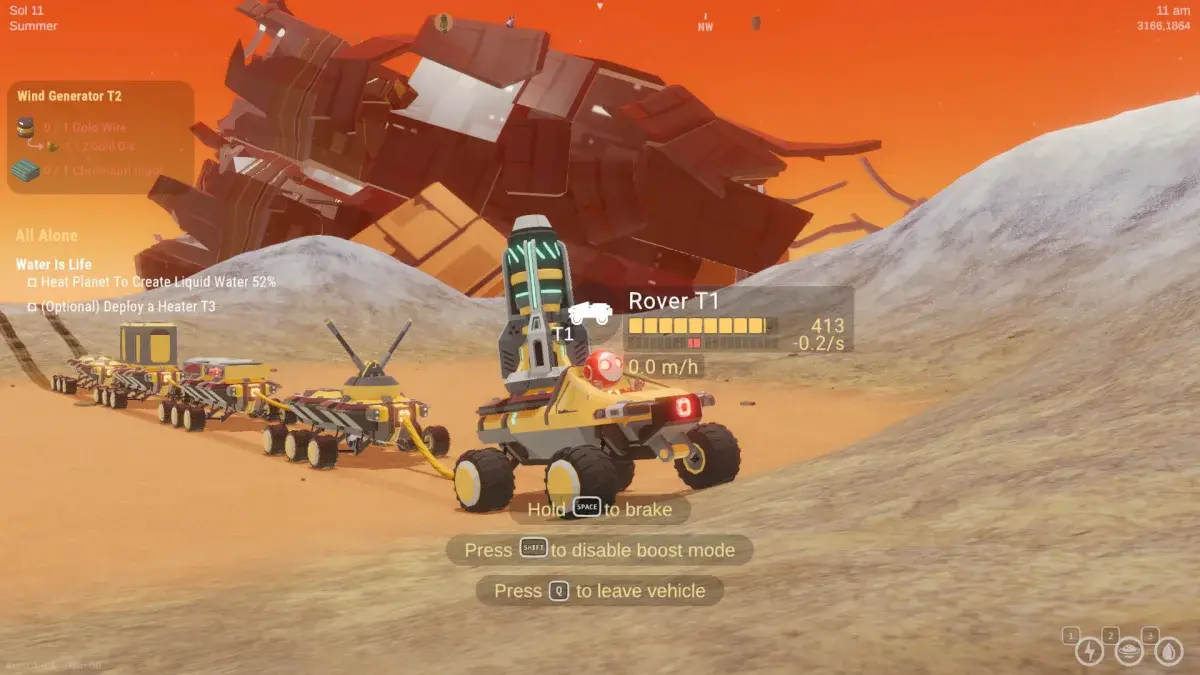
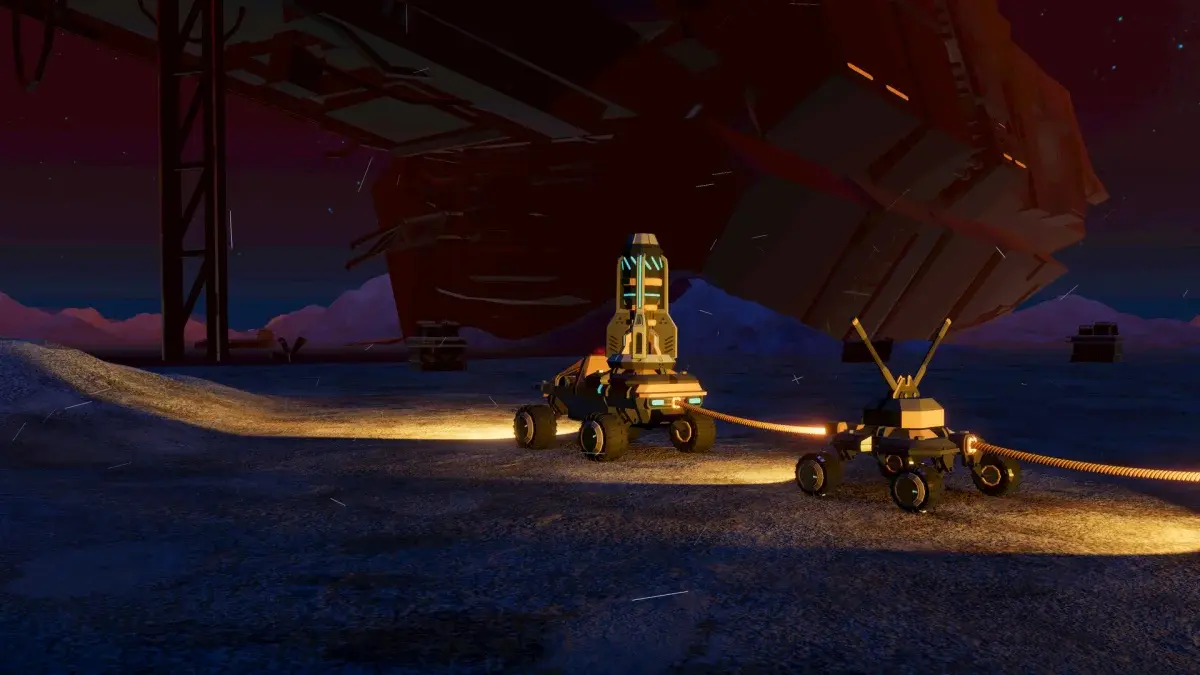
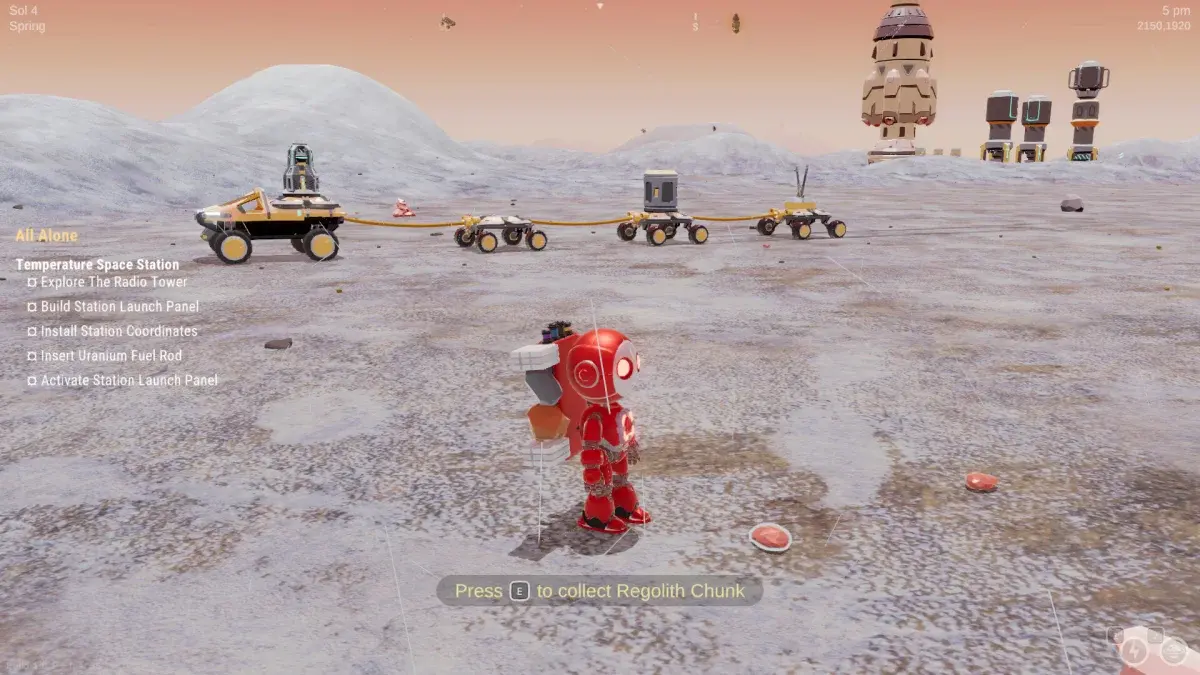
The modular vehicle construction deserves special attention. You’re not picking from preset designs. You’re slapping together wheels, frames, and attachments based on what you’ve scavenged and what you need. My first rover looked like a shopping cart had a baby with a satellite dish, but it got me across terrain that would’ve taken forever on my little robot legs. Later versions became more practical, but I kept that original disaster parked outside my base as a monument to humble beginnings.
Your creations directly impact how quickly ecosystems develop. A well-placed water pump can turn a dusty crater into a lake. A strategically positioned heat generator can thaw frozen ground for planting. The connection between what you build and what grows makes every crafting session feel purposeful.
A Solo Dev’s Labor of Love
Pebbledust Games took a risk that bigger studios would never touch. Cozy terraforming survival isn’t exactly a proven market category. But that willingness to follow a unique vision results in something that feels fresh. The Steam Deck optimization shows player-first thinking, and I spent several sessions curled up on my couch watching tiny forests spread across my handheld screen.
Being a passion project means some rough edges exist. The UI occasionally feels cluttered, and certain systems could use more explanation even for players who appreciate minimal hand-holding. The game released only days ago, so late-game content depth remains somewhat mysterious. But there’s heart in every pixel of this world, and that counts for something.
Planting Seeds Worth Watching Grow
Blossom: The Seed of Life fills a niche I didn’t know was empty. It’s relaxing without being mindless, challenging without being stressful, and meaningful without being preachy. If you’ve ever wanted Stardew Valley’s cozy progression applied to planetary-scale restoration, this is your harvest. At $16.99, you’re getting a unique experience that respects your time while rewarding your curiosity. Some players wanting constant action or detailed tutorials should probably look elsewhere, but for those of us who find peace in watching things grow, Blossom plants seeds worth nurturing.