
Blizzard just dropped the Paladin class into Diablo IV—no, not in April, not with the expansion launch, but right now. The Lord of Hatred expansion announcement at The Game Awards 2025 came with an unprecedented twist: pre-purchase the expansion and start playing the holy warrior immediately. After a quarter-century absence from mainline Diablo games, the franchise’s most iconic class is back, and Blizzard isn’t making anyone wait to swing that Blessed Hammer again.
This Hammerdin Comes Home
Paladin hasn’t appeared in a mainline Diablo title since Diablo II released in 2000. That’s 25 years—longer than some of the players who’ll be creating their first holy warrior tonight have been alive. When Diablo III launched in 2012, Blizzard replaced the Paladin with the Crusader, a similar-but-different take on the righteous warrior archetype. For many longtime fans, it never quite scratched the same itch.
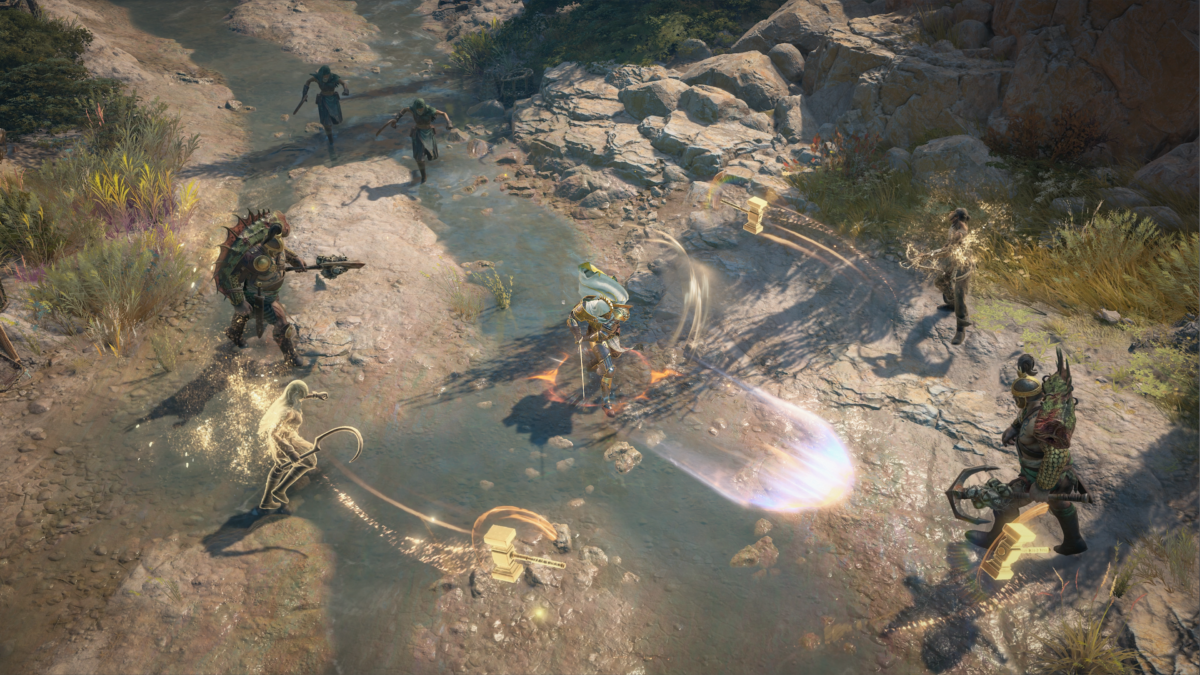
Blizzard claims the Paladin is “Diablo IV’s most-requested new class,” though they haven’t shared data to back that up. But as a hammerdin main for quite some time, I believe them. What’s undeniable is the cultural weight this class carries. “Hammerdin” isn’t just a build; it’s a piece of ARPG vocabulary, a playstyle so dominant and beloved that it defined how an entire generation thinks about efficient demon-slaying. The spiraling golden hammers became as synonymous with Diablo as the Lord of Terror himself.
The immediate availability with pre-purchase breaks new ground for the franchise. Previous expansions made players wait for launch day to access new classes. Vessel of Hatred’s Spiritborn required patience; the Paladin demands only your credit card. It’s a bold move that transforms a pre-order incentive into a fully playable class months before the April 28, 2026 expansion launch.
Holy Arsenal: What the Paladin Brings
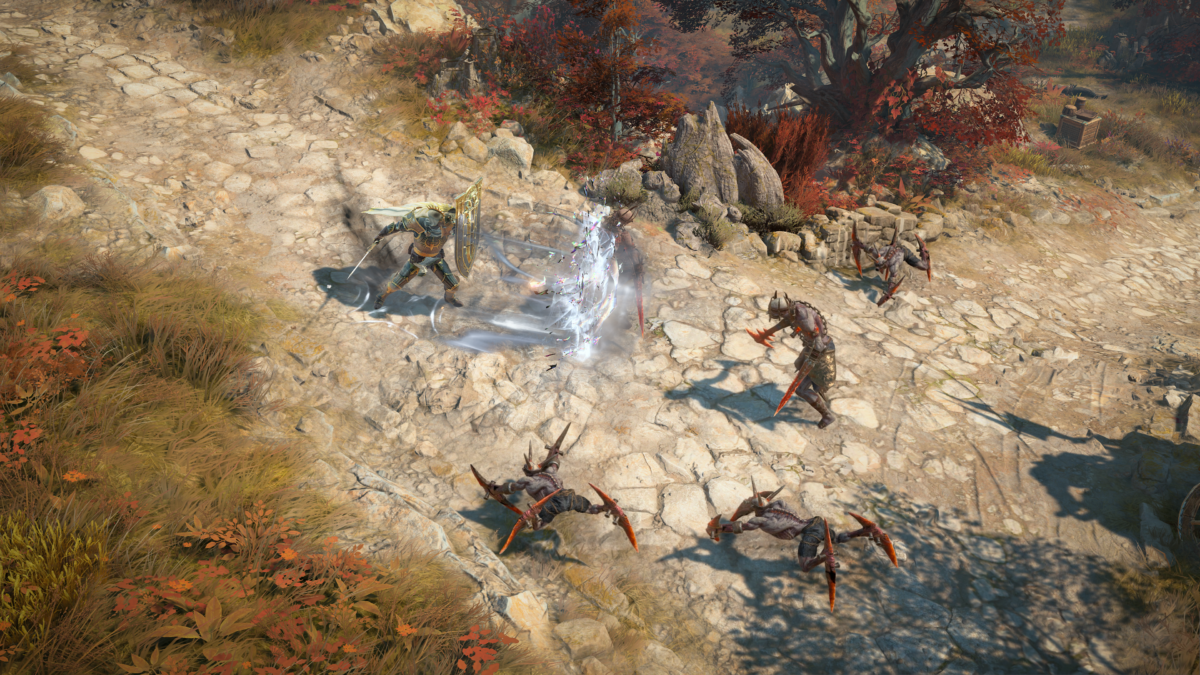
The returning Paladin brings its greatest hits. Blessed Hammer, the spinning holy projectile that defined countless Diablo II builds, makes its triumphant return. Auras are back, offering the party-buffing utility that made Paladins invaluable in group play. Zeal delivers the rapid multi-strike melee fantasy, while Heaven’s Fury rains divine destruction from above. These aren’t just callbacks, as they’re the mechanical DNA that made the original Paladin legendary.
But this isn’t a straight port from 2000. The new Arbiter form represents Diablo IV’s modern twist on the holy warrior fantasy, though Blizzard has been light on specifics about how this transformation mechanic works. It suggests a class that honors its heritage while finding new ways to express divine power within Diablo IV’s darker, more grounded aesthetic.
How the Paladin fits into the existing class roster raises interesting questions. Diablo IV already has the Barbarian for melee bruising, the Necromancer for minion-based play, and the Spiritborn from Vessel of Hatred offering its own unique hybrid identity. The Paladin’s aura-based support capabilities and holy damage focus carve out distinct territory, but we’ll need hands-on time to see how it stacks up in endgame viability against established builds.
Skovos and the Mephisto Problem
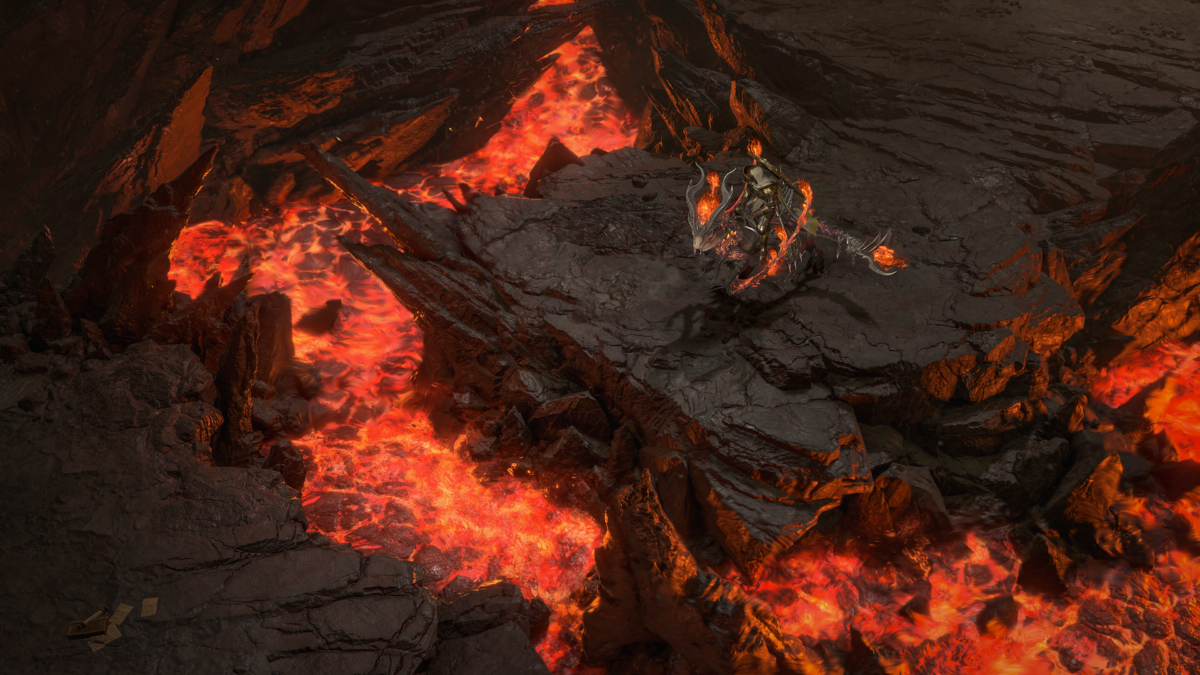
Lord of Hatred takes players to Skovos, a region described as the birthplace of firstborn civilization and the former domain of Lilith and Inarius themselves. Not just another zone addition either. It’s lore-significant territory that ties directly into Diablo IV’s central narrative about the parents of Sanctuary. The region is ruled by an Amazon Queen and a figure called the Oracle, suggesting a society built on warrior tradition and prophecy.
That Amazon Queen reference has the community buzzing about the expansion’s unannounced second class. Blizzard confirmed Lord of Hatred includes two new classes total, with only the Paladin revealed. A setting explicitly connected to Amazon royalty feels like a heavy-handed hint, though Blizzard could be playing with expectations. The Amazon, another Diablo II favorite, would continue the nostalgia strategy that’s driving this expansion’s appeal. But I personally think it will be something brand new.
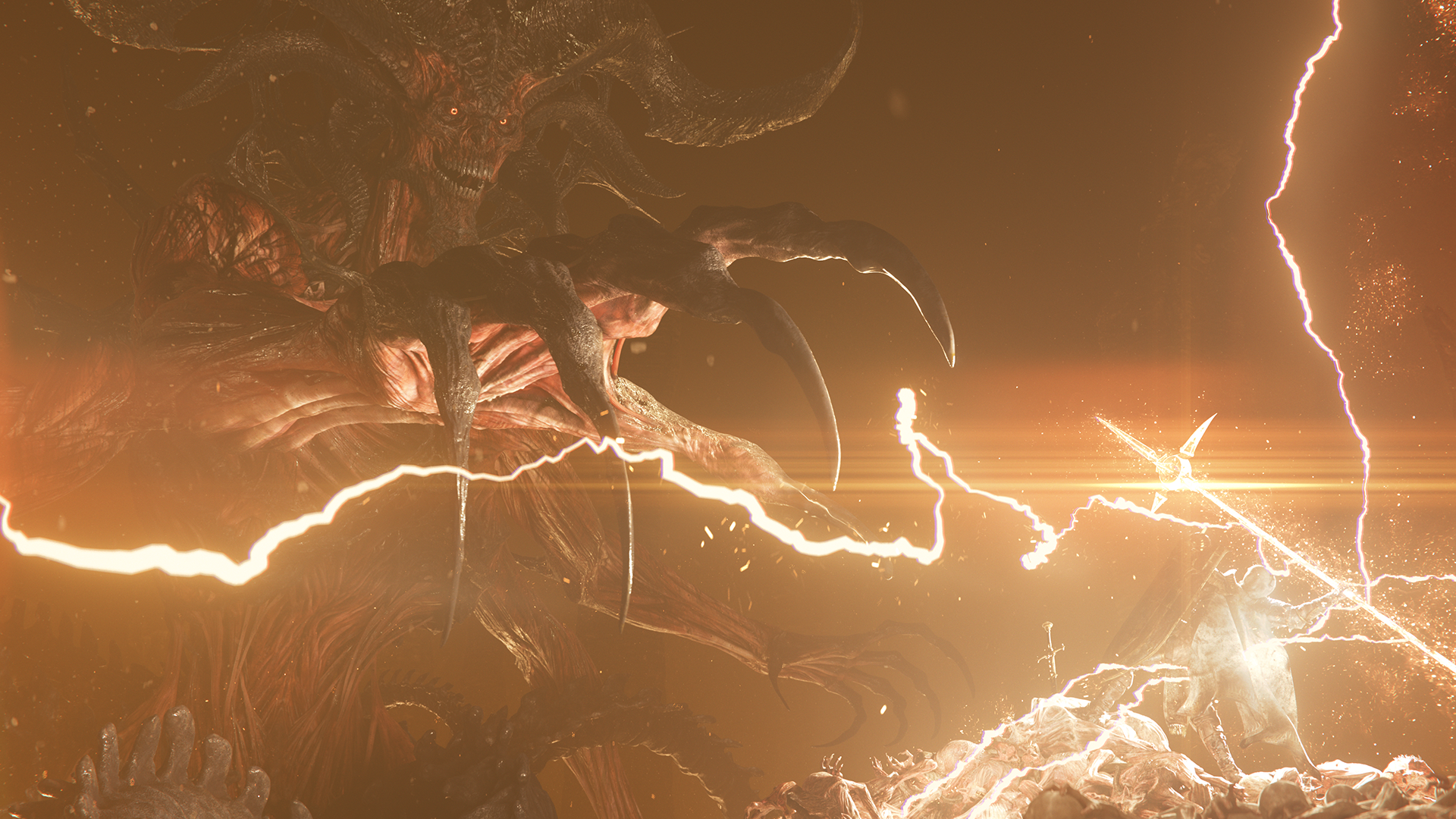
The narrative stakes center on Mephisto, the Lord of Hatred and one of the three Prime Evils. Vessel of Hatred established this confrontation’s foundation, and now players will face the demon lord directly. For veterans of Diablo II’s Act III, this is familiar territory—Mephisto was the boss guarding the Compelling Orb, a fight etched into ARPG history. Whether this encounter can live up to that legacy remains to be seen.
The Systems Overhauls Aplenty
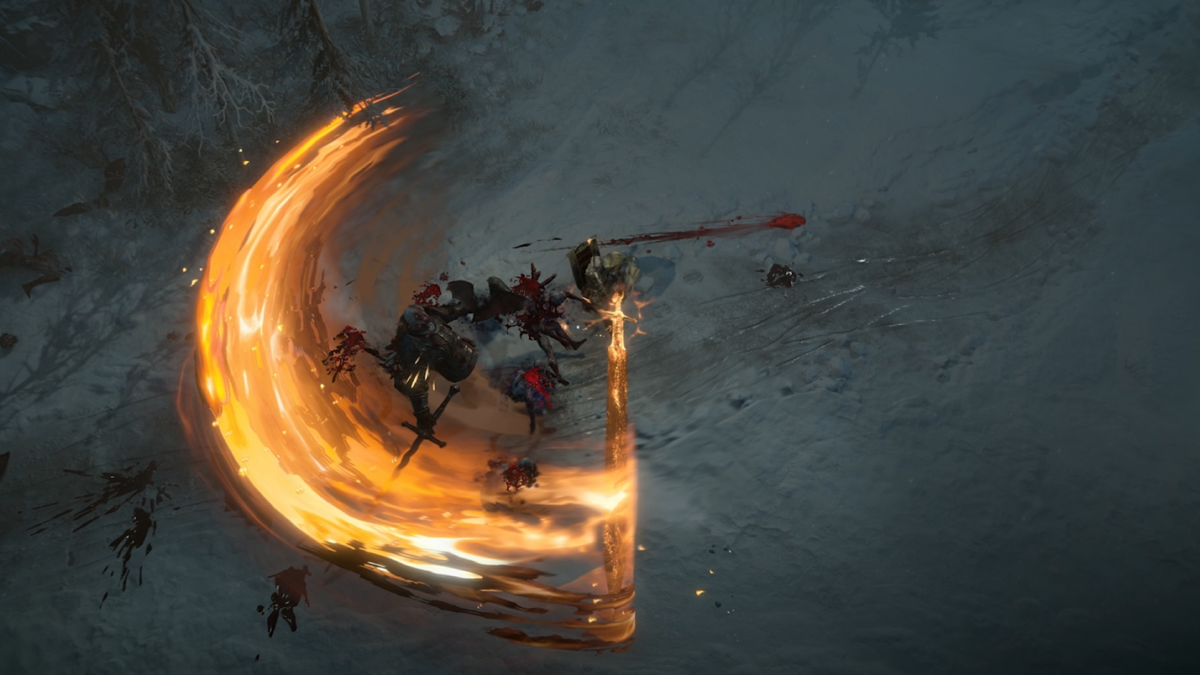
While the Paladin dominates headlines, Lord of Hatred’s system changes might matter more for Diablo IV’s long-term health. The Horadric Cube returns as a crafting feature, resurrecting another Diablo II icon. The original Cube was a Swiss Army knife of item manipulation—combining gems, upgrading runes, transforming equipment. If Blizzard captures even a fraction of that versatility, it could revolutionize how players interact with Diablo IV‘s loot.
The new Loot Filter system addresses one of the community’s most persistent complaints. Diablo IV’s endgame drowns players in drops, most of them irrelevant noise. A proper filter—something Path of Exile has offered for years—lets players cut through the clutter and focus on items that actually matter for their builds. The Talisman system adds another layer to character customization, though details remain sparse on exactly how it functions.
Then there’s fishing. Yes, fishing. Alongside War Plans (which suggest some kind of strategic layer), Blizzard is expanding what players can do in Sanctuary beyond the core monster-killing loop. It’s a curious addition that speaks to a broader vision for the game as a living world rather than just an endless grind. Whether these systems add meaningful depth or feel like checkbox features will depend entirely on execution.
The Path of Exile 2 Factor
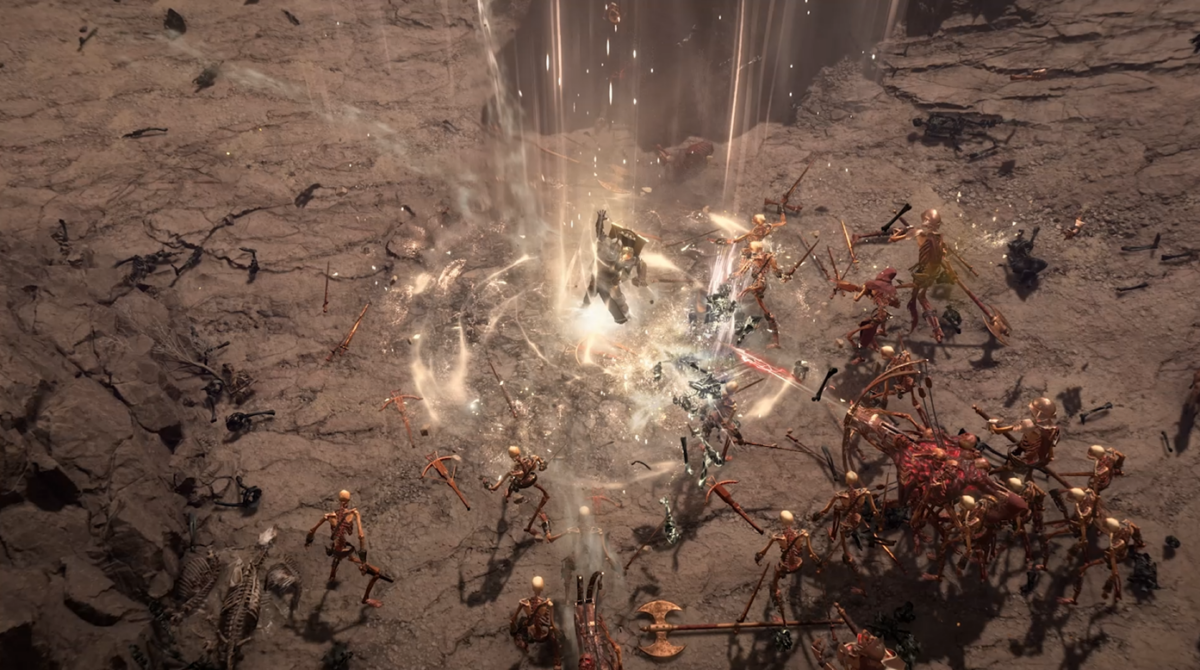
Lord of Hatred represents Blizzard’s second expansion in roughly 18 months, an aggressive cadence that feels deliberate. Path of Exile 2 entered early access in late 2024, immediately capturing attention from the hardcore ARPG audience that once considered Diablo its home. Grinding Gear Games’ sequel offers a mechanical complexity and build depth that appeals to players who found Diablo IV too streamlined.
The timing and tactics here tell a story. Releasing the Paladin immediately rather than holding it for launch day isn’t just generous—it’s competitive. Every Diablo II veteran downloading the class tonight is a player not spending their evening preparing for a journey in Wraeclast with Path of Exile 2 set to receive a big update literally tomorrow. The nostalgia play is strategic: Path of Exile has its own identity, for sure, and I certainly think both of these great ARPGs will exist for years to come. But is is exciting to see the competition between the two.
The Pre-Order Opportunity
The value calculation gets complicated by the bundle structure: buying Lord of Hatred includes access to Vessel of Hatred, the first expansion. For players who skipped Spiritborn’s debut, this represents significant content. For those who already own it, the effective price for new content is harder to assess.
The second class mystery also factors into value perception. If that Amazon-adjacent setting delivers the javelin-throwing warrior many expect, Lord of Hatred offers two beloved Diablo II classes reborn. If the second class is something unexpected, the calculus surely changes. Blizzard is asking players to commit money now for content that won’t fully exist for fiveish months, which isn’t necessarily anything new as pre-orders have long been around. But it is a unique situation to pre-order without knowing what the second class even is.
Pre-purchase bonuses include practical additions: one Stash Tab, two Character Slots, and three World of Warcraft décor items for players in both ecosystems. The stash tab alone holds real value for inventory-management-obsessed ARPG players. But until we know the actual price tag, it’s impossible to say whether Lord of Hatred represents a good deal or an expensive bet on nostalgia.
The Paladin’s return is more than a class addition—it’s Blizzard’s clearest statement yet about Diablo IV’s direction. They’re chasing the players who remember when ARPGs meant something specific, when Blessed Hammer was king and the Horadric Cube held endless possibilities. Whether that nostalgia translates into sustained engagement against hungrier competitors will play out over the next five months. For now, somewhere tonight, a lapsed Diablo fan is watching golden hammers spiral across their screen for the first time since the Clinton administration. And that surely is hype af.