 By
By This review follows Output Lag’s comprehensive review methodology.
About Laysara: Summit Kingdom
- Developer
- Quite OK Games
- Publisher
- Future Friends Games, Quite OK Games
- Release Date
- February 27, 2026
- Platforms
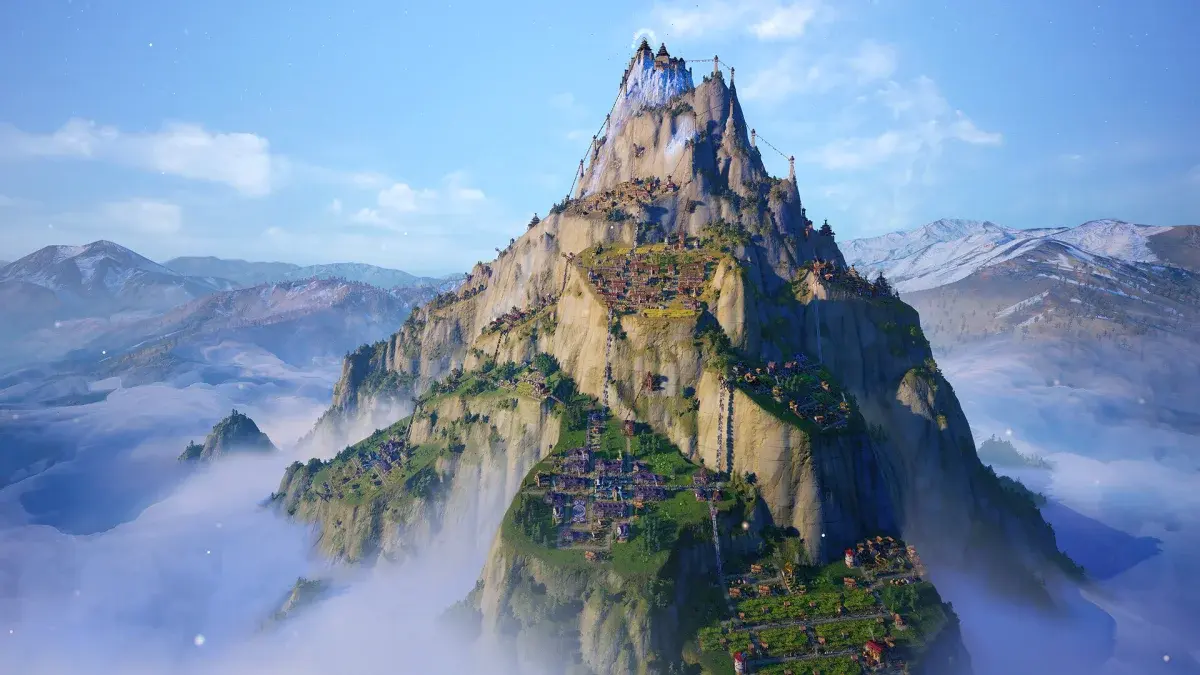
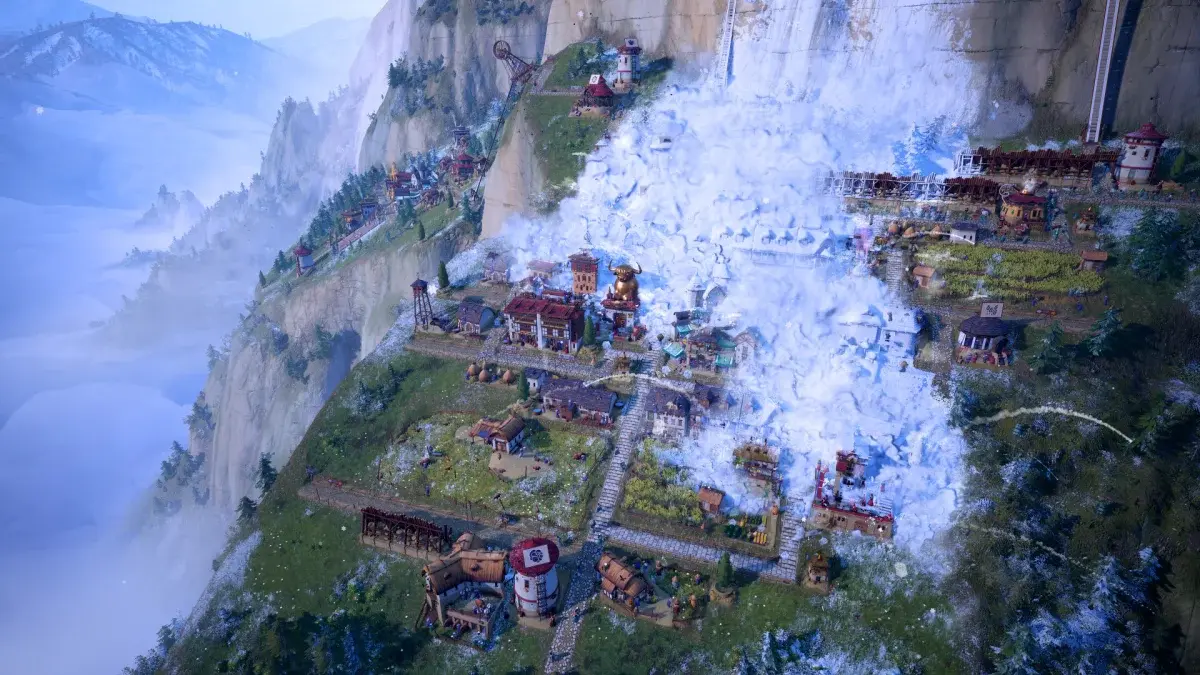
I placed my first lumber mill on what I thought was a perfectly stable ridge. The slope looked gentle enough, the trees were plentiful, and my workers were ready. Then the snow started falling heavier than expected, and I watched in slow-motion horror as a wall of white came cascading down from the peak above, sweeping my precious mill into oblivion. Most city builders punish you for poor traffic management or budget mishandling. Laysara: Summit Kingdom punishes you for ignoring the mountain itself. And somehow, that makes everything feel more alive.
Climbing the Learning Curve (Literally)
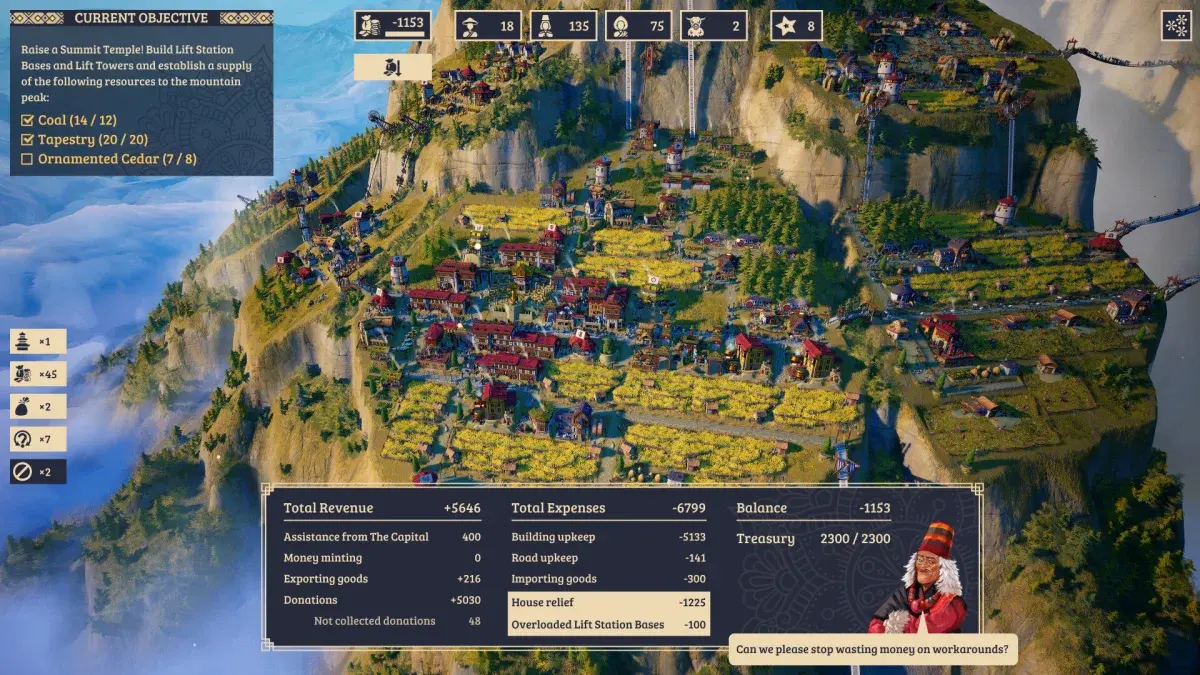
Every building placement in Laysara becomes its own little puzzle, and I mean that in the best possible way. You can’t just plop down a bakery wherever you feel like it. The terrain has opinions. Steep slopes reject certain structures entirely, while elevation differences between buildings affect how efficiently your citizens can move between them. My first few hours involved a lot of rotating buildings, squinting at angle indicators, and muttering “will you just fit already” at my screen.
What makes this work is how the vertical expansion fundamentally changes your brain. In most city builders, growth means spreading outward like butter on warm toast. Here, you’re stacking settlements up the mountainside like a very precarious wedding cake. I found myself thinking in layers rather than districts, planning my upper residential areas around the natural terraces the mountain provided rather than fighting against them. The terrain stopped feeling like an obstacle and started feeling like a collaborator.
Laysara: Summit Kingdom’s learning curve is real, but developer Quite OK Games (what a name, by the way) clearly spent time making sure newcomers don’t feel abandoned on the slopes. Tutorial prompts explain the elevation system without drowning you in information, and the early campaign missions ease you into the steeper challenges gradually. By the time I was managing my third settlement, building on mountainsides felt as natural as breathing.
Snow Way Out: Avalanche Management
O.M.G. The avalanche system is the literal definition of too cute. Wait, no, that’s wrong. It’s actually terrifying in the most delightful way. Snow accumulates on peaks above your settlements, and if you’re not paying attention, it will come for everything you love. But here’s what makes it brilliant: prevention feels empowering rather than punishing. You build barriers, clear dangerous accumulation zones, and position your settlements strategically to minimize risk.
I spent one particularly tense evening watching a massive snow buildup form above my main production hub. My barriers were holding, but barely. I had two choices: rush to reinforce them or relocate my most critical buildings. The weather system had been teasing storms all day, and I knew another heavy snowfall could tip the scales. When I finally managed to clear the danger zone and watched the accumulated snow dissipate harmlessly, the satisfaction was immense. That’s the magic here. The tension exists, but the tools to manage it always feel fair.
Risk assessment becomes woven into every decision you make. That perfect spot for a new workshop? Maybe reconsider if it sits directly in an avalanche path. The sunny south-facing slope that would be ideal for farming? Check what’s looming above it first. This constant awareness of the mountain’s mood keeps gameplay engaging without ever crossing into frustration territory.
A Tale of Three Castes
Managing Laysara’s three-caste society feels like conducting a small orchestra rather than stressful plate-spinning. Each group has distinct needs and contributes differently to your mountain kingdom. Workers want basic amenities and don’t mind living closer to production facilities. Merchants demand nicer housing and access to goods. Nobles require luxury accommodations positioned with the best views, because of course they do.
This production chains supporting these castes run deep without drowning you in spreadsheet management. Grain becomes flour becomes bread, lumber becomes planks becomes furniture, and so on. What keeps this from becoming tedious busywork is how the mountain terrain forces creative solutions. Your wheat fields need to be at lower elevations where the soil is better, but your bakeries should be closer to residential areas higher up. Suddenly you’re building little supply chains that snake up and down the mountainside, and watching them function smoothly is genuinely soothing.
Each caste brings unique challenges that prevent any single strategy from dominating. Focus too heavily on noble satisfaction and your workers become unhappy, slowing production. Neglect merchants and trade suffers. The balance point shifts constantly as your kingdom grows, keeping you engaged without overwhelming you with micromanagement.
Peak Networking: Multi-Town Trading
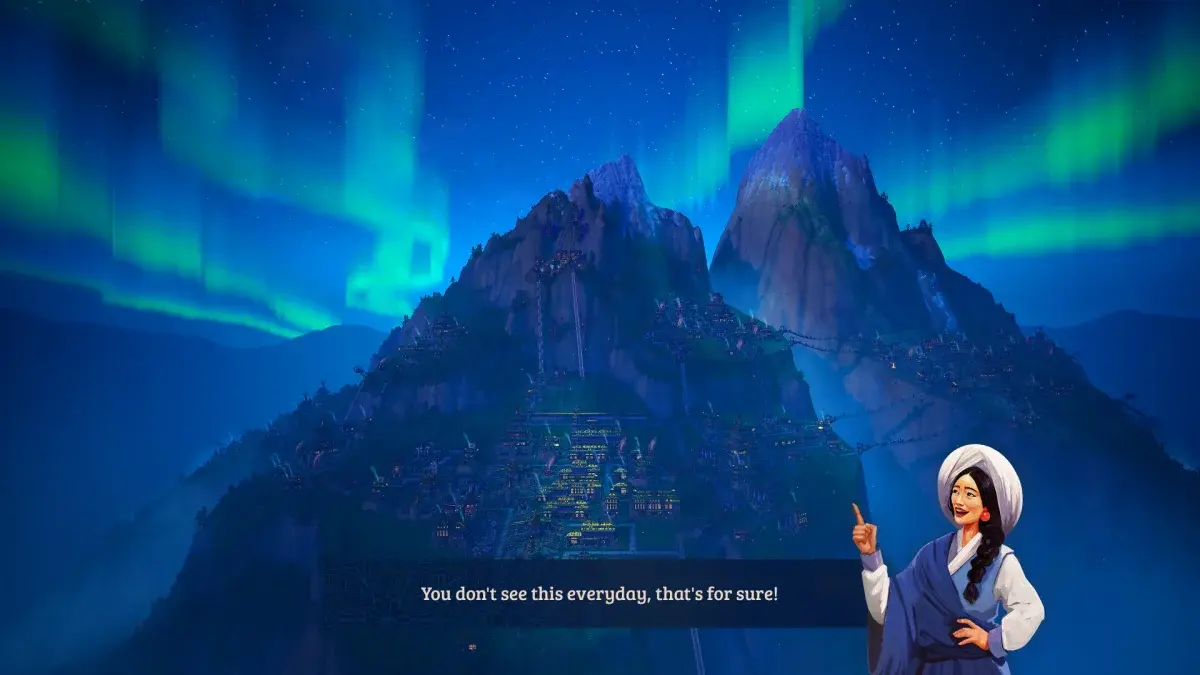
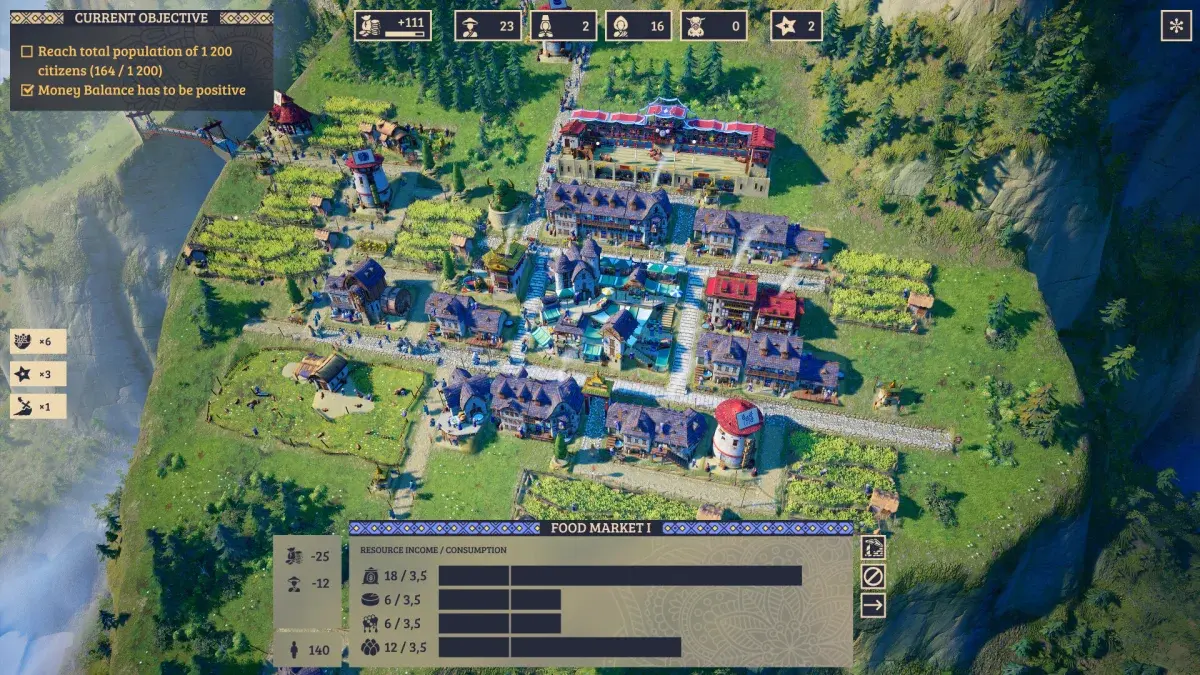
Building a network of interdependent towns scratches an itch I didn’t know I had. One settlement specializes in mining ore from a particularly rich vein. Another focuses on timber from a forested slope. A third processes raw materials into finished goods. Connecting them through trade routes transforms isolated villages into a functioning kingdom, and watching resources flow between them feels like watching blood pump through veins.
The trade system never feels tacked on. Each settlement needs things it can’t produce efficiently on its own, making the connections meaningful rather than optional. I found myself planning new towns specifically to fill gaps in my supply network. “This mountain has clay deposits, and my pottery production is struggling,” became a legitimate reason to expand rather than just wanting a bigger score.
Both campaign and sandbox modes offer different flavors of this experience. Campaign missions provide structured goals and introduce mechanics gradually, while sandbox lets you build your dream mountain kingdom without constraints. I bounced between both depending on my mood, appreciating how each scratched a different itch.
Worth the Climb
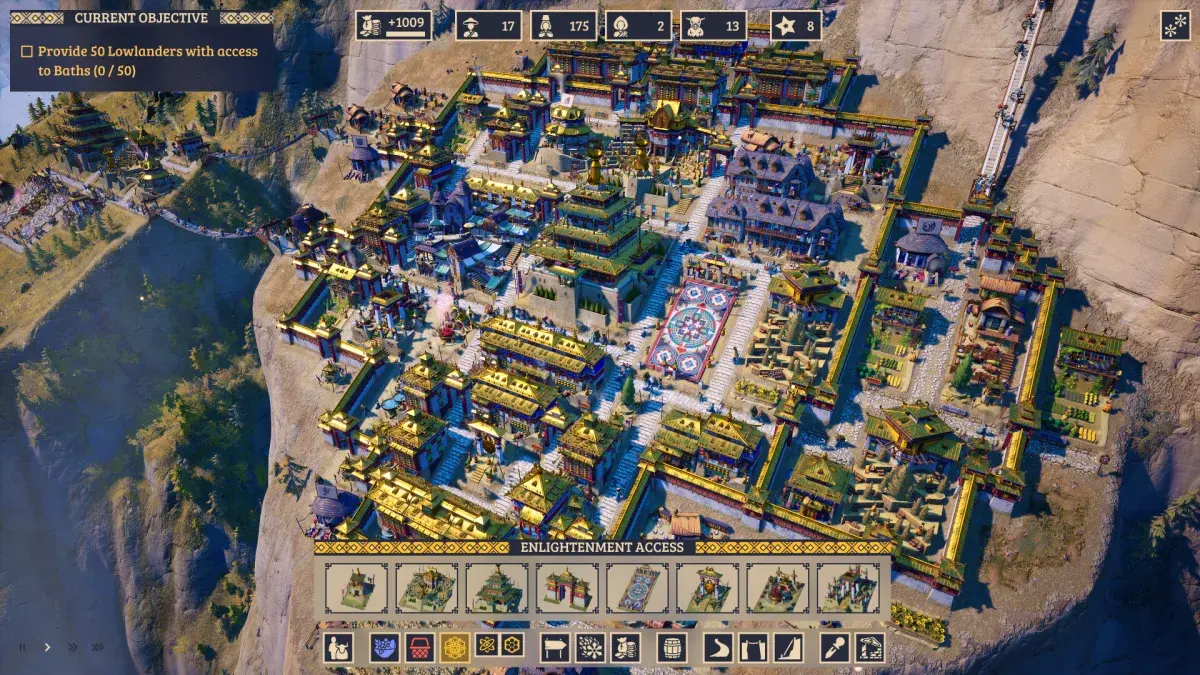
Laysara: Summit Kingdom does something genuinely special with the city-building formula. The mountain terrain isn’t a gimmick draped over standard mechanics. It fundamentally transforms how you think, plan, and build. At $24.99, you’re getting substantial strategic depth wrapped in a package that feel both challenging and cozy. The Windows-only release limits who can play right now, and city-builder newcomers might find the terrain mechanics initially steep. But for anyone who’s ever wished their settlements had more personality than suburban sprawl, this is something worth experiencing.
This review is based on a retail build of the game provided by the publisher.