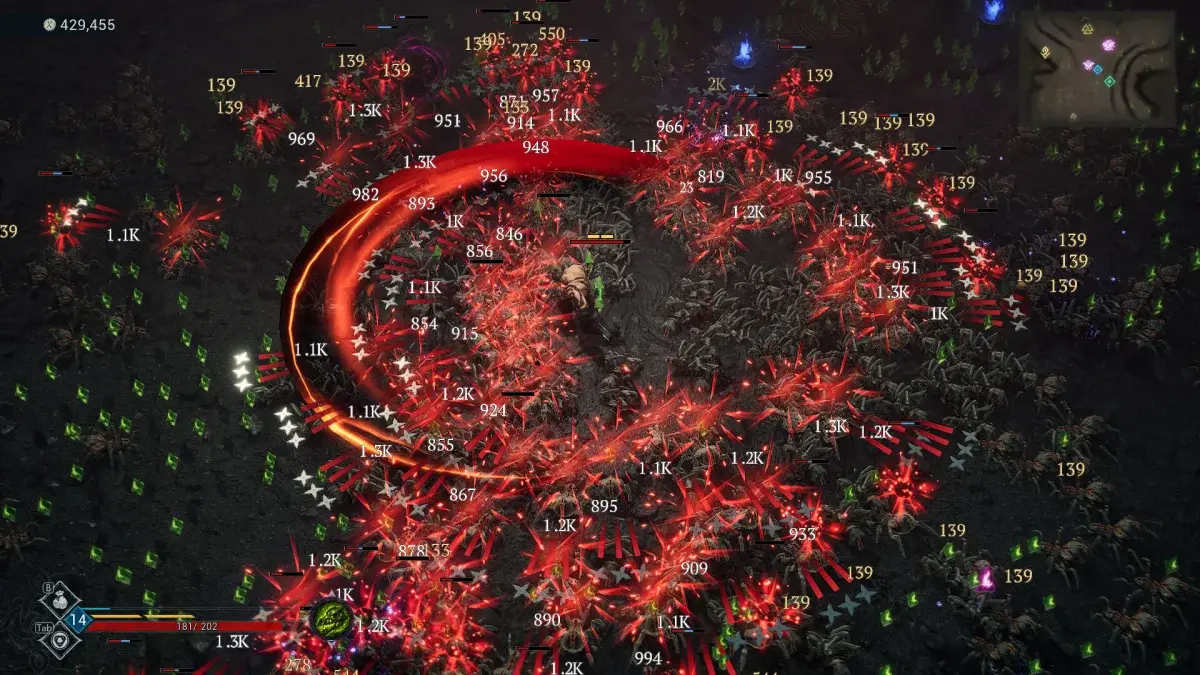
In a time where the Vampire Survivors style gameplay is more popular than ever, you really have to go above and beyon to stand out with all the options available. Berserker Onslaught essentially offers a solid Survivors-like experience, but never dares to do anything new.
Nine Gods, Infinite Carnage
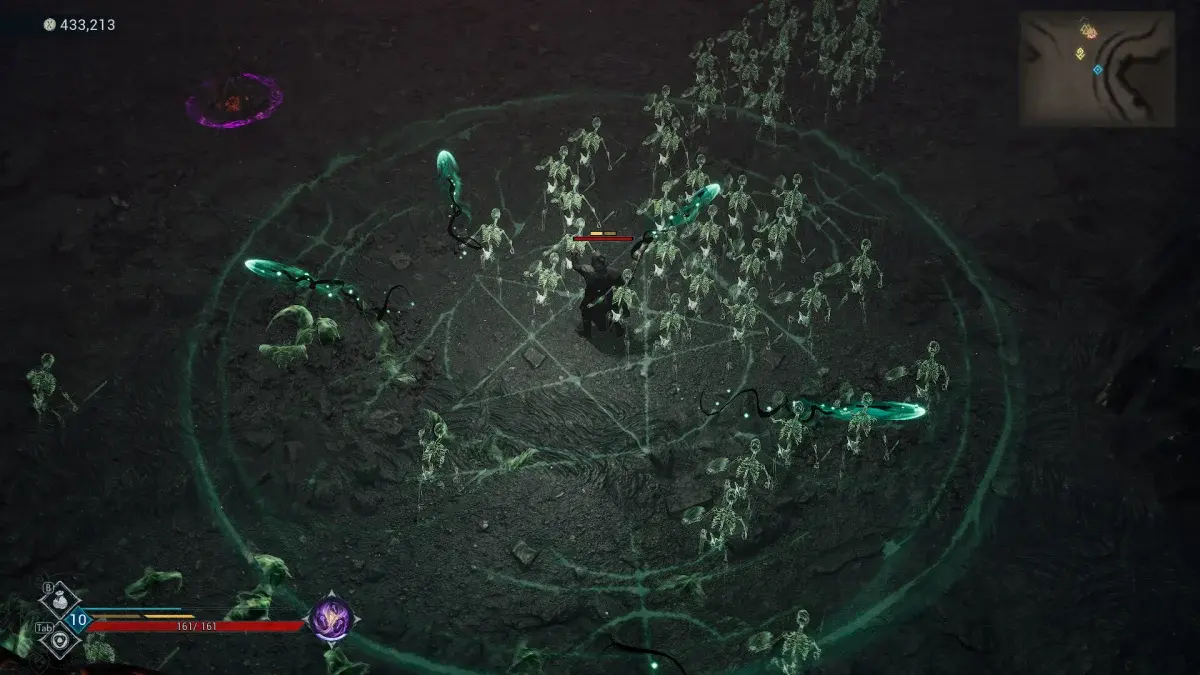
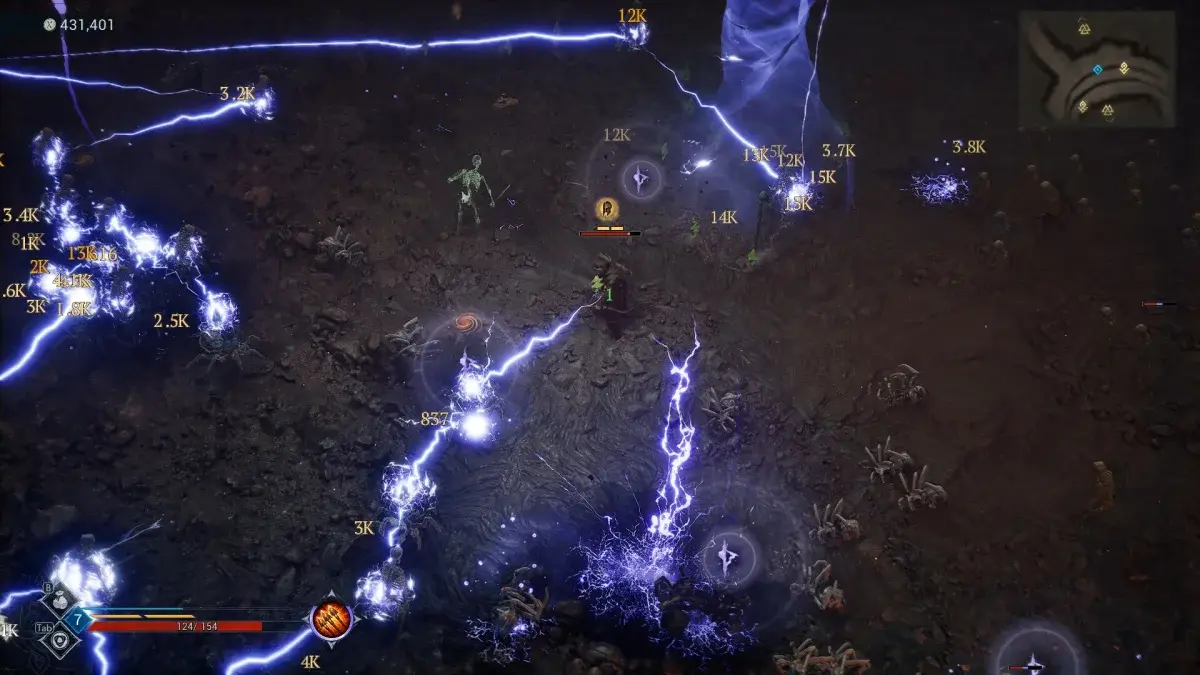
Berserker Onslaught’s deity blessing system is where Berserker Onslaught plants its flag. Nine different gods offer their favor, and each blessing fundamentally changes how you approach combat. The storm deity’s chain lightning turns crowd control into a spectacle. The death god’s life-steal blessing transforms aggressive play into a survival strategy. What makes this work is how these blessings stack and interact with each other.
I spent one run stacking the fire deity’s burning damage with the war god’s attack speed boost. Every enemy became a walking bonfire within seconds. The next run, I went defensive, combining earth god shields with the healing deity’s regeneration. Completely different playstyle, completely different rhythm. This experimentation kept me coming back through my first dozen hours, always wondering what unholy combination I hadn’t tried yet.
This strategic depth is real but shallow. You’ll discover the powerful synergies within a few sessions, and after that, you’re mostly optimizing rather than discovering. Some blessing combinations feel mandatory for later waves, which narrows your options when the difficulty spikes. The system promises infinite carnage but delivers a menu of maybe fifteen viable builds.
The Corruption Closes In
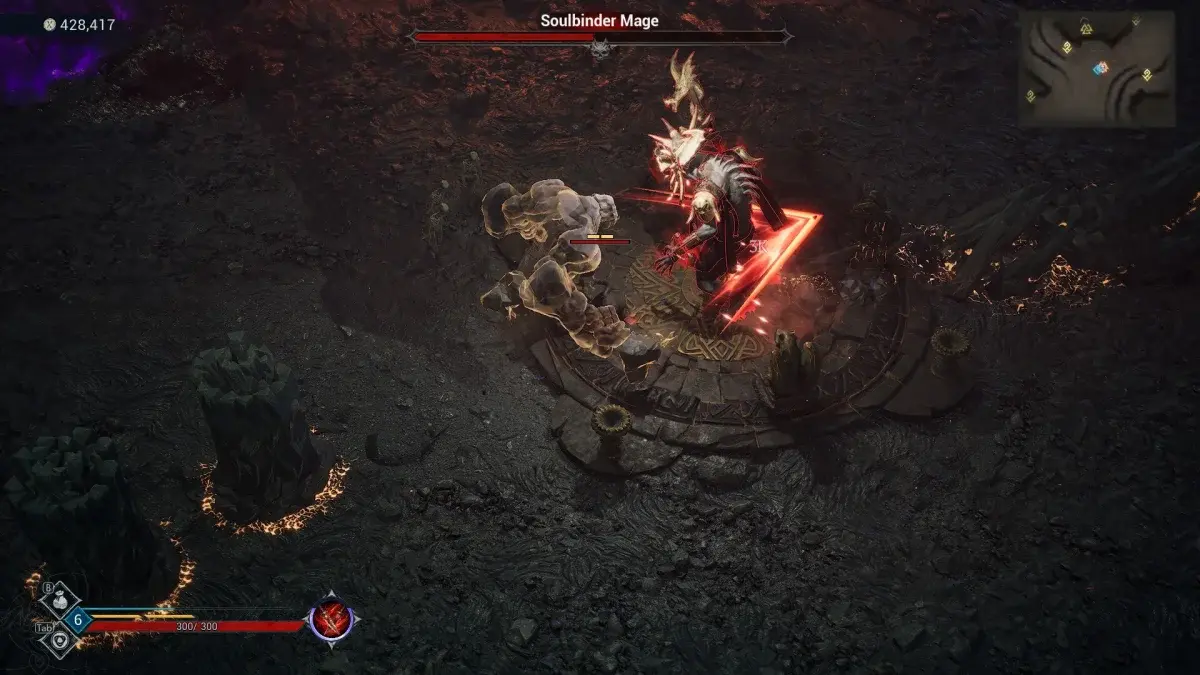
Most roguelikes pressure you with timers. Berserker Onslaught pressures you with space. The corruption zone creeps inward constantly, turning the battlefield into an ever-shrinking arena. Stand still too long and you’re standing in poison. This spatial pressure changes everything about how you move and fight.
Early waves feel almost leisurely. The corruption is distant, a purple shimmer at the horizon. By wave fifteen, you’re fighting in a circle barely wider than your character’s attack range. I found myself making increasingly desperate gambles, dashing into enemy clusters because staying at range meant backing into corruption. The mechanic forces aggression in a way that traditional timers don’t. You can’t kite forever. You have to commit.
The risk-reward tension works beautifully when loot drops near the corruption’s edge. Do you grab that legendary blessing chest or play it safe? I’ve lost more runs to greed than to any boss. The corruption doesn’t care about your gear score. It just keeps coming, and that relentlessness creates genuine tension even in runs where I felt overpowered.
Lords, Loot, and the Grind
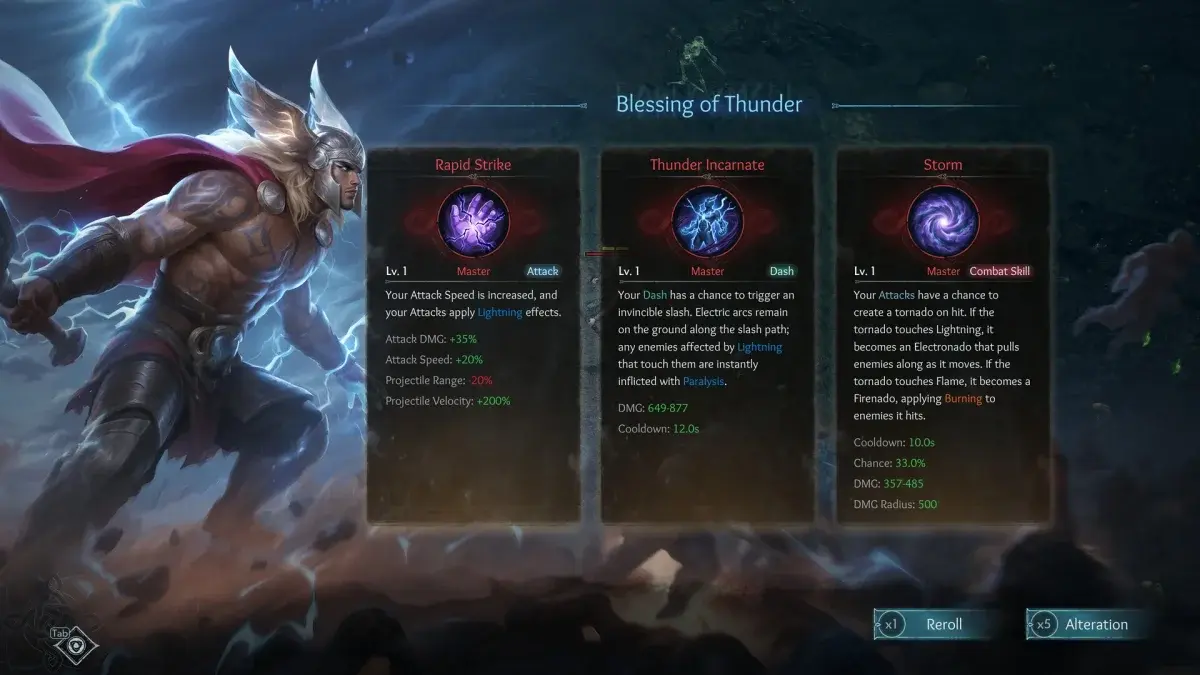
Elite lords are Berserker Onslaught’s mini-boss encounters, and they’re the primary source of class-exclusive gear sets. Each class has equipment that only drops from specific lords, which means you’re not just fighting waves but hunting particular enemies. My berserker needed the Bloodrage Gauntlets, so I spent three runs specifically targeting the Crimson Lord whenever he spawned.
This targeted hunting adds purpose to runs that might otherwise blur together. The gear sets meaningfully change your class abilities, and completing a set feels like a genuine power spike. My berserker went from decent to devastating once I finished the Fury set. The class identity shines through in these moments. Different classes want different lords, which means different routing decisions and different risk assessments.
The problem is repetition. Lords have maybe two attack patterns each. By your tenth encounter with the Crimson Lord, you’ve memorized his every move. The fights stop being challenges and become chores you endure for loot drops. The gear grind sustains the game, but it also exposes how thin the enemy variety really is. I wanted more lords, more patterns, more reasons to stay alert during these encounters.
Budget Berserking
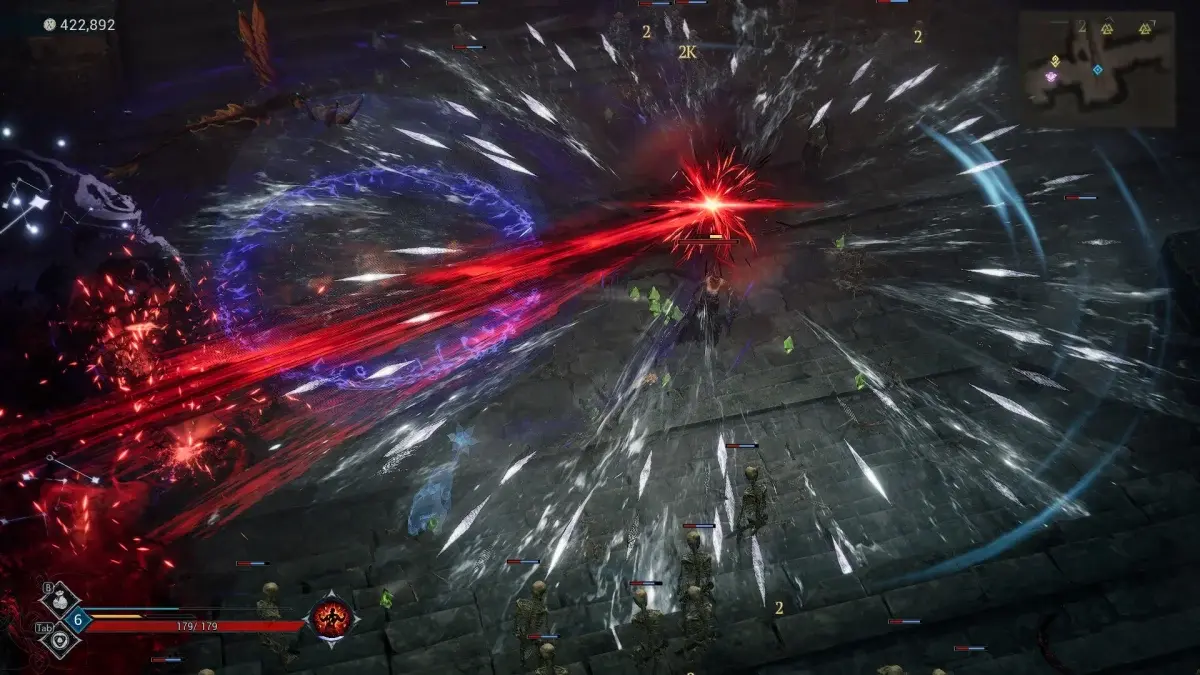
At $9.99, Berserker Onslaught asks very little and delivers a reasonable amount. Team Kernel has built a mechanically sound roguelike with some genuinely clever ideas. The visual presentation is serviceable, with enough particle effects during combat to feel impactful without overwhelming. The audio does its job without distinction.
What you’re getting is a focused experience rather than a sprawling one. There’s no elaborate meta-progression, no elaborate unlock trees, no story to speak of. You fight, you die, you fight again. For some players, that purity is exactly right. For others, the lack of surrounding systems will make the core loop wear thin faster. I got about fifteen hours before the repetition started outweighing the experimentation, which feels fair for the price.
The game launched recently, and Team Kernel could expand significantly from here. Steam Cloud support suggests they’re thinking about longevity. Right now, though, you’re buying potential alongside a solid foundation. That’s a reasonable gamble at this price point, less so if you’re expecting the depth of premium competitors.
When the Corruption Claims All
Berserker Onslaught knows what it wants to be: a fast, synergy-driven roguelike where spatial pressure creates tension and divine blessings create variety. It achieves that goal without quite excelling at it. The blessing system needs more viable combinations. The elite lords need more complexity. The overall package needs more content to sustain long-term engagement.
If you’re a roguelike fan hunting your next fix between major releases, this scratches the itch. If you’re looking for your new obsession, keep looking. Berserker Onslaught is a solid ten-dollar investment in chaos, but the corruption eventually claims everything, including your interest.